
You know, hip hop instrumentals are pretty wild. They can totally change your mood, from making you want to get stuff done to just chilling out. It's amazing how a beat can tell a whole story without a single word. This whole journey of hip hop evolution has brought us some seriously cool sounds, and we're going to take a look at how it all went down.
Key Takeaways
- Hip hop beats started with DJs at block parties, using turntables to create loops and breaks.
- The 'Golden Age' saw producers step up, with artists like DJ Shadow and J Dilla making beats the main focus.
- New tools like samplers and DAWs made it easier for anyone to create beats, leading to different styles like lo-fi.
- Hip hop's sound spread globally, with places like the UK and the US South putting their own spin on instrumentals.
- Instrumental hip hop today is more than just background music; it's a diverse genre with its own dedicated audience and a future that's still being made.
From Block Parties To Digital Dreams: The Hip Hop Evolution
The Genesis: DJs as Sonic Architects
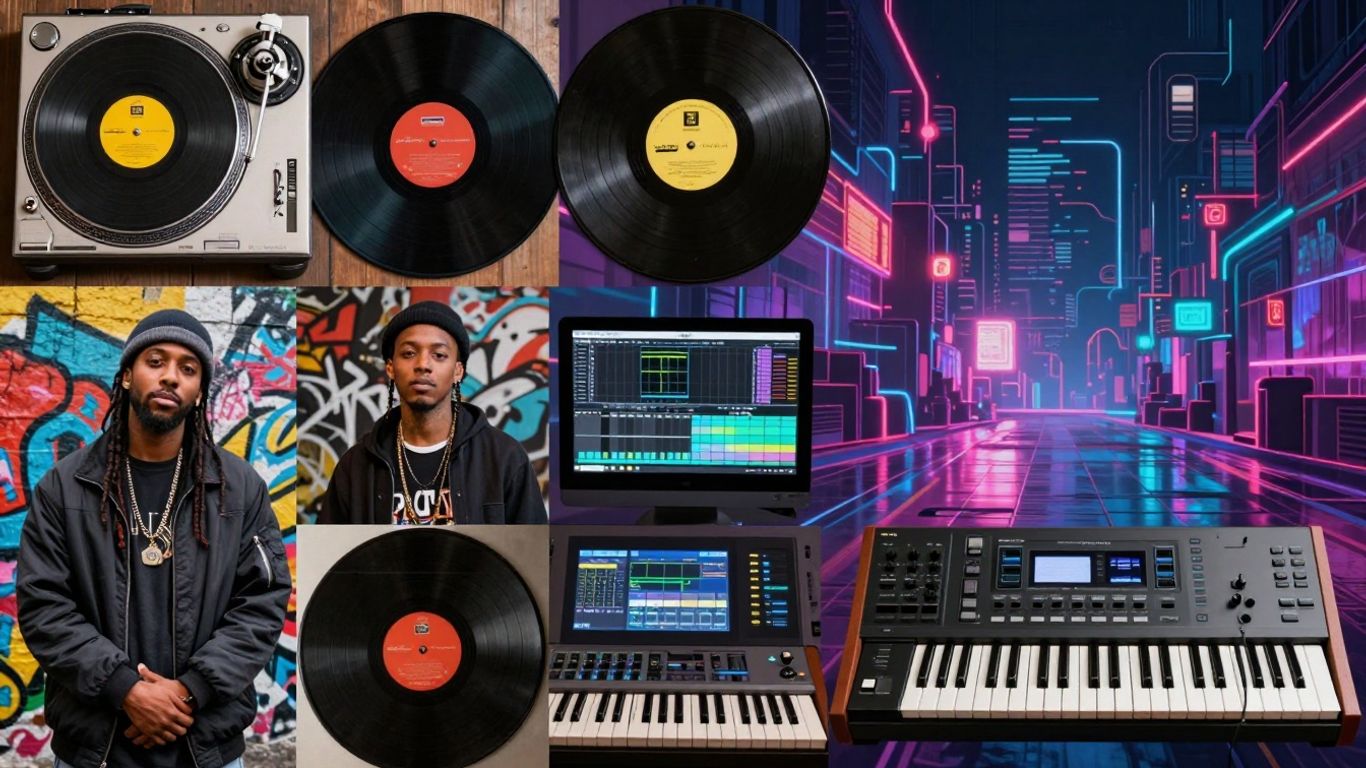
Forget fancy instruments and expensive studios. Back in the day, hip-hop was born out of necessity and pure creativity on the streets of the Bronx. Imagine this: you're at a block party, the energy is electric, and the DJ is your guide. These early DJs, like the legendary Kool Herc, Afrika Bambaataa, and Grandmaster Flash, weren't just playing records; they were architects of sound. They used two turntables and a mixer to do something revolutionary: extend the best parts of songs – the drum breaks – into endless loops. This wasn't about singing or rapping; it was about the raw power of the beat, the foundation upon which everything else would be built. They took existing music, chopped it up, and made it danceable, creating a whole new sonic landscape from scratch. It was the phonograph itself that became the instrument.
Turntablism Takes The Stage
As hip-hop grew, the DJ's role evolved from just extending breaks to becoming a performer in their own right. This is where turntablism really started to shine. Think of it as a new kind of musical performance art. DJs weren't just selecting tracks; they were manipulating them live, scratching, cutting, and blending sounds in ways nobody had ever heard before. It was a raw, improvisational art form that put the focus squarely on the DJ's skill and creativity. This era showed that you didn't need a band or a traditional instrument to make groundbreaking music; all you needed was a couple of turntables, some records, and a whole lot of imagination.
The Sample-Heavy Revolution
Then came the sample revolution. Suddenly, producers had access to a whole universe of sounds. They started digging through crates of old records – funk, soul, jazz, you name it – and pulling out little snippets, beats, and melodies to create something entirely new. This was like a sonic collage. Albums like Eric B. & Rakim's 'Paid in Full' or Public Enemy's 'Fear of a Black Planet' became masterpieces built from these sampled pieces. It was a dense, intricate way of making music, where producers became master curators, weaving together disparate sounds into cohesive, powerful tracks. This approach defined a generation of hip-hop and showed the incredible potential of sampling.
The Golden Age: When Beats Became The Main Event
Alright, so you think hip-hop is all about the rhymes, huh? Think again! The Golden Age, roughly the late 80s through the 90s, was when the beats started to really flex their muscles. Producers weren't just background players anymore; they were the architects, the mad scientists crafting sonic landscapes that could stand on their own. This era proved you didn't need a rapper to make a track hit you right in the soul.
DJ Shadow's Groundbreaking Soundscapes
Before DJ Shadow dropped Endtroducing..... in 1996, instrumental hip-hop was often seen as just the filler, the stuff you played between the vocal tracks. But Shadow flipped the script. He took a whole album, 45 minutes of it, and built it entirely from samples. No MCs, no guest spots, just pure, unadulterated groove. It was like he took a crate of old records, chopped them up, and reassembled them into a narrative that pulled you in. It showed everyone that beats could tell a story, evoke emotions, and be the main event. It was a game-changer, plain and simple.
J Dilla's Unquantized Genius
Then came J Dilla. If Shadow was the meticulous architect, Dilla was the soulful, slightly off-kilter genius. His album Donuts (2006) is legendary. It's a collection of short, often raw, instrumental pieces that feel like diary entries set to music. Dilla had this way of making beats feel human. He wasn't afraid to let them breathe, to be a little messy, a little imperfect. He’d mess with the timing, the swing, making his drums sound like a heartbeat rather than a metronome. This
The Digital Dawn: Tools That Changed The Game
Alright, so you've seen how DJs and samplers basically built the foundation. But then, things got really interesting. The late 90s and early 2000s saw a tech explosion that put serious power into the hands of producers. Suddenly, you didn't need a whole studio or a massive record collection to cook up something dope. You just needed a box, some creativity, and maybe a decent internet connection.
From MPCs to DAWs: The Producer's Playground
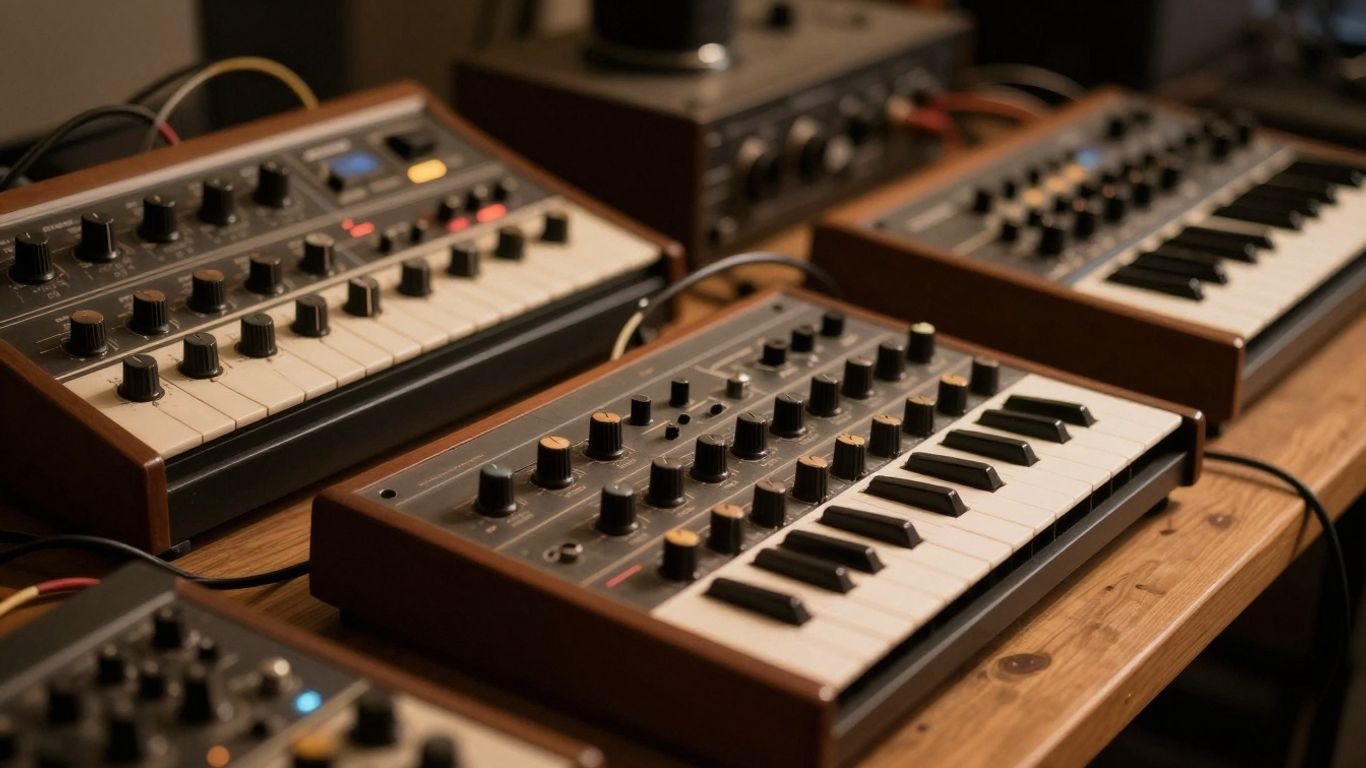
Remember those clunky, but iconic, MPC samplers? Those things were like the Swiss Army knives of beatmaking. You could chop samples, bang out drums, and arrange whole tracks right there. It was hands-on, tactile, and totally changed the game. Then came the Digital Audio Workstations (DAWs) – software like Ableton Live, Logic Pro, and FL Studio. These turned your computer into a full-blown studio. You could now record, edit, mix, and master entire projects without ever touching a piece of hardware outside your keyboard and mouse. It was a massive shift, making professional-sounding beats way more accessible. No more needing a room full of gear; your laptop became the command center.
Building Your Sonic Arsenal: Samples and Synths
With these new tools came new ways to build sounds. Sure, sampling was still king, but now you could dig through digital crates, download sample packs, and even create your own sounds from scratch using synthesizers. Think of it like this:
- Sample Packs: These are curated collections of sounds – drum hits, vocal chops, melodic loops – ready to be dropped into your project. They range from classic 808s to obscure world music instruments.
- Synthesizers (Synths): These are electronic instruments that create sounds from scratch. You can make anything from booming basslines to ethereal pads, completely original sounds that no one else has.
- Virtual Instruments: These are software versions of real instruments (pianos, strings, horns) or entirely new synth sounds that you can play with a MIDI keyboard or draw in notes on your screen.
It meant you could build a unique sonic palette, blending dusty old records with futuristic synth textures. The possibilities felt endless, and honestly, a little overwhelming at first.
The Rise of Lo-Fi and Chillhop Vibes
As technology got more powerful, some producers started doing the opposite – embracing imperfection. The rise of lo-fi hip hop and chillhop is a perfect example. Instead of super clean, polished beats, these genres often feature intentionally degraded sounds: vinyl crackle, tape hiss, slightly detuned melodies. It’s like taking a warm, fuzzy blanket and turning it into a beat. These styles really took off on platforms like YouTube and SoundCloud, becoming the go-to background music for studying, relaxing, or just chilling out. It proved that sometimes, the 'flaws' are what give a beat its soul and make it feel human.
The accessibility of these digital tools meant that the barrier to entry for beatmaking dropped dramatically. Suddenly, anyone with a computer and a bit of drive could start crafting their own soundscapes, leading to an explosion of creativity and diverse styles that continue to shape hip-hop today.
Global Grooves: Hip Hop's Worldwide Reach
East Coast, West Coast, And Beyond
So, you think hip-hop beats are just a New York or LA thing? Think again, my friend. While those coasts were busy laying down the foundations, the rest of the world was listening, learning, and adding its own flavor. It’s like when you try a new recipe and everyone throws in their secret spice. Suddenly, that familiar dish is something totally new and exciting.
Back in the day, before everyone had a studio in their pocket, making beats was a hustle. You had DJs in the Bronx, yeah, they were the OGs, looping breaks from funk and soul records. But then, word spread. People started hearing these sounds and thinking, 'Hey, I can do that!' It wasn't just about copying; it was about taking that core idea and twisting it. You'd hear a jazz record from Japan, a Bollywood soundtrack from India, or some obscure Afrobeat gem, and BAM! A whole new beat was born. Producers like Madlib, with his Beat Konducta series, were basically sonic globetrotters, digging up sounds from everywhere and stitching them together. It proved that a good beat doesn't need a passport; it just needs a pulse.
The UK's Trip-Hop Takeover
Now, let's talk about the UK. They took hip-hop instrumentals and gave them a serious chill. Think moody, atmospheric, and a little bit… well, trippy. This was the birth of trip-hop. Instead of just banging drums, you got these slow, heavy beats, often with a soulful or jazzy sample, and a vibe that made you want to put on a record and stare out the window on a rainy day. Artists like Massive Attack and Portishead weren't just making beats; they were crafting entire sonic landscapes. It was a different kind of energy, less about hype and more about a deep, immersive feeling. They showed that instrumental hip-hop could be just as powerful, if not more so, when it focused on mood and texture.
Southern Hospitality and Trap's Tempo
And then there's the South. Oh, the South. They came in with their own swagger and a whole new tempo. Forget the East Coast boom-bap or the West Coast G-funk for a second. The South brought us trap. You know the sound: those rapid-fire hi-hats, the deep, booming 808s, and a general sense of urgency. It’s a sound that’s both gritty and futuristic. Producers like Shawty Redd and Zaytoven basically defined this sound, making beats that were instantly recognizable. It wasn't just about the drums, though; it was about the space, the sparse melodies, and that undeniable bounce. Trap beats became the soundtrack for a generation, proving that hip-hop instrumentals could evolve and adapt to new regional flavors, creating something entirely fresh and incredibly influential.
Instrumental Hip Hop Today: More Than Just Background Noise
The Power of Pure Groove
So, you've been digging through crates, maybe even messing around with a DAW, and you've stumbled upon the magic of instrumental hip hop. It's not just elevator music for your study session, right? These beats are the whole damn show. Think about it: no rapper telling you what to feel, just pure sonic energy hitting you square in the chest. It’s like a conversation without words, and you get to fill in all the blanks. Whether you're trying to focus on a massive project, just chilling, or even need a soundtrack for your own creative flow, these tracks have your back. They’re the unsung heroes, the architects who built the vibe before anyone even grabbed a mic.
Navigating The Streaming Seas
Finding these gems used to be a mission. You'd hunt down obscure vinyl or wait for that one radio DJ to play something fresh. Now? It's a whole different ballgame. Streaming platforms have playlists for everything. Seriously, you can find "Chillhop Study Beats," "Boom Bap Grooves," "Lo-Fi Vibes for Late Nights," and so much more. It’s easier than ever to discover new producers and revisit classics. But here’s the thing: don't just let the algorithm decide your whole musical journey. Dig a little deeper. Check out who’s producing the tracks you love. Explore those "related artists." You might just find your next sonic obsession.
Here's a quick look at how instrumental hip hop fits into different moods:
| Mood/Activity | Typical Instrumental Style | What to Expect |
|---|---|---|
| Deep Focus/Study | Lo-fi, Chillhop | Mellow, repetitive loops, jazzy chords |
| Creative Spark | Sample-heavy, Jazzy | Unexpected breaks, soulful samples, intricate drums |
| Workout/Energy Boost | Boom Bap, Trap-influenced | Hard-hitting drums, driving basslines |
| Relaxing/Winding Down | Ambient, Downtempo | Smooth textures, minimal percussion, atmospheric |
The Future Is Unwritten (And Unrapped)
What's next for instrumental hip hop? Honestly, who knows! Producers are constantly pushing boundaries, blending genres, and finding new ways to make us feel something with just a beat. It’s a space where experimentation is king. You've got artists creating entire sonic narratives, others perfecting that head-nodding groove, and some just making pure, unadulterated vibe. The beauty is, it’s still evolving. So, keep your ears open, support the producers putting in the work, and maybe, just maybe, you’ll be the one dropping the next big instrumental track that changes the game. The only limit is your imagination (and maybe your hard drive space).
The real power of instrumental hip hop lies in its ability to speak directly to your emotions without a single word being spoken. It’s a testament to the producer’s skill, turning samples and sounds into a language everyone can understand.
Instrumental hip hop is way more than just background music. It's a whole art form that sets the mood and tells a story. Think of it as the heartbeat of a track, giving it life and energy. Want to hear some amazing beats that will make you nod your head? Check out our collection of professional rap beats on our website!
So, What's the Takeaway?
Alright, so we've basically gone from dusty vinyl loops to these super-slick digital soundscapes, and honestly, it's been a wild ride. You've seen how these beats went from just being the background for someone else's story to totally owning the spotlight. Whether you're trying to get hyped for a workout, find your focus for a late-night study sesh, or just vibe out, there's a hip-hop instrumental out there waiting to be your new best friend. It’s pretty cool, right? Keep digging, keep listening, and who knows, maybe you'll even get inspired to make your own. The beat is yours for the taking!
Frequently Asked Questions
What exactly are hip-hop instrumentals?
Basically, they're hip-hop tracks without anyone rapping over them. Think of it as the beat and the music behind the lyrics. Producers create these beats, and sometimes they're so good, they stand on their own as complete songs.
How did hip-hop beats start?
It all began at block parties where DJs would loop drum breaks from old records, creating a non-stop beat for dancers. They were the original beatmakers, using turntables as their instruments to keep the party going.
Who were some early pioneers of instrumental hip-hop?
DJs like Kool Herc and Grandmaster Flash were crucial in the early days, showing how to manipulate records to create new sounds. Later, artists like DJ Shadow really pushed the boundaries with his album 'Endtroducing.....', which was made entirely from samples.
What's the deal with sampling in hip-hop beats?
Sampling is like taking a small piece of sound from another song and using it in a new beat. It's a huge part of hip-hop's creativity, allowing producers to build unique soundscapes from existing music. Think of iconic drum breaks like the 'Amen Break' – they've been used in tons of tracks!
How has technology changed making hip-hop beats?
Technology has made it way easier for anyone to make beats. Back in the day, you needed big, expensive gear. Now, with computers and software like DAWs (Digital Audio Workstations) and samplers, you can create amazing music right from your bedroom.
Is instrumental hip-hop just for studying or working?
While it's great for focus, instrumental hip-hop is so much more! It's got its own vibe, from chill lo-fi beats perfect for relaxing to energetic tracks that can pump you up. It's a whole world of music you can explore just by listening to the beats themselves.