
You know, it's wild how much video games have changed the music scene. What started as simple beeps and boops has grown into something huge, influencing everything from movie scores to pop songs. We're going to take a look at how gaming music went from being just background noise to a major player in the music world. It's a pretty cool journey, and you might be surprised by how much it's touched your own listening habits.
Key Takeaways
- Gaming music has gone from basic chiptunes to complex orchestral scores, mirroring advancements in technology and game design.
- Games have used music and themes, like those inspired by the Beat Generation, in interesting and sometimes ironic ways, reflecting broader cultural trends.
- The impact of gaming music is huge, showing up in live concerts, influencing mainstream artists, and sticking with us through nostalgia.
- If you're looking to make your own music, learning from gaming music's approach to storytelling, dynamic sound, and catchy melodies can be super helpful.
- The future of gaming music is bright, with new tech like VR and more collaborations pushing the boundaries of what's possible in sound.
From Chiptunes To Orchestras: The Sonic Evolution Of Gaming Music
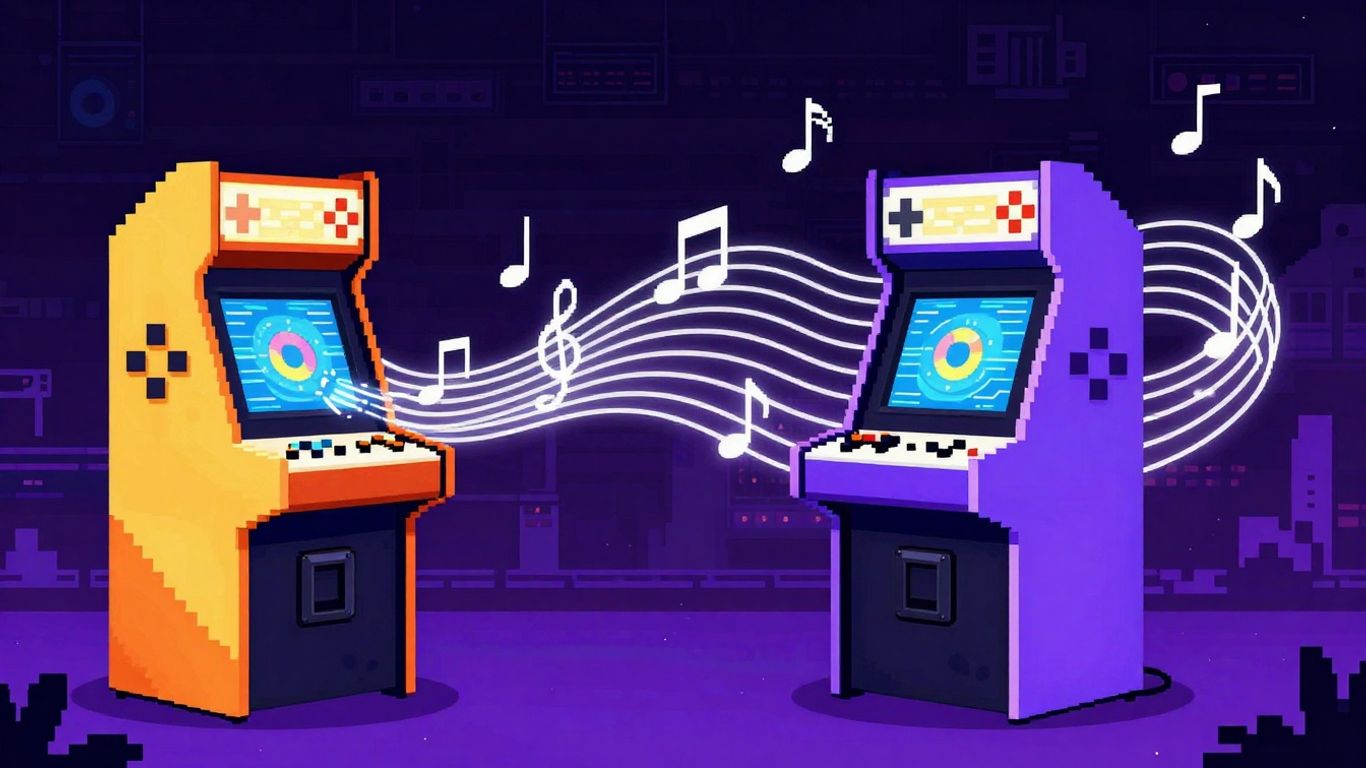
Let’s take a little ride through the wild history of gaming soundtracks. You probably know how a thumping beat or lush melody can change a game from meh to legendary. Video game music’s gone from simple, cute blips on early consoles to movie-worthy symphonies. Each step came with its own set of obstacles—and awesome moments.
The Humble Beginnings Of Bleeps And Bloops
So, you turn on one of those old-school consoles, and what do you hear? Some seriously basic noises—almost like your phone’s alarm clock, but catchier. Those were chiptunes, and boy, did they make an impact. With super-limited tech, composers squeezed out unforgettable tunes from just a handful of sound channels. Huge games like Super Mario Bros. or Tetris had you humming hours after you’d switched off the TV.
Here are a few fun facts about those early sounds:
- Only 3 or 4 notes could play at once
- Tunes had to loop endlessly (so they couldn’t get too annoying)
- Simplicity actually made the melodies more memorable
Being hooked on those classic melodies wasn’t just a coincidence—those limitations forced composers to get super creative, making bouncy tracks that stuck in your head for days.
MIDI Magic: Adding Depth To Pixelated Worlds
By the ’90s, technology leveled up. Suddenly, soundcards could do actual instruments (well, sort of—they still sounded a bit plastic, but way better than before). MIDI let games have richer music: you get more layers, more instruments, a big sound. For the first time, you could sense atmosphere—that spooky cave, that epic battle, or even a jazz club full of shady characters. It wasn’t just background noise anymore. It felt like its own character.
Here's how MIDI music gave folks more chills:
- Deeper, multi-layered tracks that actually changed with gameplay
- Distinct musical themes for characters, locations, and big moments
- A taste of "real" instruments, even on older computers
If you’re curious about how these changes helped add drama and feeling to the games you love, check out how modern video game music keeps evolving.
Cinematic Soundscapes: Orchestral Scores Take Center Stage
And then, things got real epic. CDs and better audio chips meant you could pack a whole orchestra into a game soundtrack. By the 2000s, playing games started to feel like starring in your own movie. You hear sweeping strings, pounding drums, even choirs—think of big titles like Final Fantasy or Zelda that practically define the idea of "cinematic" in gaming.
A quick list of how orchestral scores changed the vibe:
- Massive, emotional highs and lows
- Movie-level storytelling, all through sound
- The music helps you feel the tension and excitement, even if no one is talking
If you ever wondered why you still get goosebumps when that main theme kicks in, it’s because orchestras brought real drama to the gaming world: the soundtrack could finally match the scale of the adventure on-screen.
Looking at it now, the journey from chiptunes to orchestral anthems proves just how much energy and creativity went into every stage. Gaming music’s come a long way—and it’s only getting wilder from here.
Gaming's Beatnik Bonanza: When Games Got Groovy
Remember when games started getting a little… weird? Not just weird in a "what is this button do?" way, but weird in a "is that a guy reciting poetry over a bongo beat?" kind of way. Yeah, we're talking about the era when video games decided to dip their toes into the groovy, counter-culture waters of the Beat Generation. It’s a strange little corner of gaming history, but hey, it happened!
Jed The MacBeatnik: A Digital Dose Of Beat Poetry
Back in the mid-90s, a game called Total Distortion dropped. This wild sci-fi adventure was already a mashup of music genres and pop culture jokes. But the real gem? A character named Jed, the "MacBeatnik." Think of him as a digital beat poet trapped in a book. You could interact with him, and he'd spit out "poetry" – basically a stream of random words set to a finger-snapping rhythm. It was bizarre, kind of nonsensical, and totally captured that Beatnik vibe, or at least, a very exaggerated version of it. He was less about deep philosophy and more about "bitstream of consciousness" chaos. It was a minigame that felt like a fever dream, and honestly, pretty hilarious.
Fallout 4's Retrotopia: The Beats As A Commodity
Fast forward to Fallout 4. This game really took the Beat influence and ran with it, but in a super interesting way. It wasn't just a quick nod; it was woven into the fabric of the game's world, especially with its retro-futuristic vibe and the use of 1950s music. The game plays with this idea of "retrotopia," where the past is idealized. It makes you think about how these Beat ideas, and the whole Beatnik image, became something you could buy and sell, a part of the cultural landscape that gets packaged and presented. It’s like the game is saying, "Hey, remember this cool thing from the past? Here it is, all shiny and new, but also kind of a product."
Ironic Undertones: Games Subverting Beat Tropes
Here's where it gets really clever. Many games that reference the Beats, especially Fallout 4 and even Total Distortion to an extent, do it with a wink and a nudge. They know the stereotype of the Beatnik – the goatee, the beret, the bongos. They play with that image, but often in a way that pokes fun at how the mainstream misunderstood or oversimplified the Beat movement. It's like they're saying, "Yeah, we know the clichés, but we're also aware of how silly those clichés are." This self-aware, ironic approach means these games aren't just throwing Beat references around; they're actually commenting on how culture uses and sometimes misuses these ideas. It’s a way of subverting the very tropes they’re using, making you think a little harder about what the Beat generation was really about, beyond the surface-level stuff.
Beyond The Game: How Gaming Music Conquered The Charts
Remember when game music was just, like, background noise? Yeah, me neither. It’s wild to think how far those bleeps and bloops have come. Now, game soundtracks aren't just in the game; they're out there, living their best lives on concert stages and even influencing your favorite pop stars. It’s a full-blown takeover, and honestly, it’s pretty awesome.
From Game Consoles To Concert Halls
Seriously, who would have thought that the tunes from your childhood console would end up filling arenas? Events like Video Games Live and the Final Fantasy orchestral concerts are selling out shows worldwide. People are packing into these venues, not just for nostalgia, but because these scores are genuinely incredible pieces of music. Imagine a full orchestra belting out the theme from Zelda or Halo – it’s a whole mood, and apparently, a very popular one. It’s like your favorite game just got a massive, epic upgrade, and you get to experience it live. Pretty neat, right?
Sampling The Soundtrack: Influencing Mainstream Artists
This is where things get really interesting. It’s not just about live shows; game music is actively seeping into the mainstream. You’ve probably heard it without even realizing it. Producers and artists across different genres are openly borrowing from game soundtracks. Think about it: electronic artists, hip-hop producers, even pop singers are dropping little nods to iconic game melodies. Sometimes it's a direct sample, other times it's more of a stylistic homage. They’re tapping into that shared cultural memory, that feeling you get when you hear a familiar tune. It’s a smart move, really, because game music has this massive, built-in audience and a whole lot of creative juice.
Why These Melodies Stick: Nostalgia And Emotional Resonance
So, why are these tunes so sticky? Well, a big part of it is pure, unadulterated nostalgia. That track from the game you played for hours as a kid? It’s probably linked to some seriously good memories. It’s like a musical time machine. But it’s more than just looking back. Game music is designed to make you feel things. Composers craft these melodies to amp up the drama, celebrate your victories, or make you feel that gut-wrenching defeat. They’re woven into the fabric of your gaming experience, so when you hear them later, they bring all those emotions flooding back. It’s a powerful connection, and it’s why these songs have such a lasting impact, crossing generations and still hitting hard years later.
Game music has this unique ability to be both a personal memory trigger and a universally recognized anthem. It’s a testament to how deeply these sounds are embedded in our culture now.
Here’s a quick look at how game music has been showing up:
- Live Performances: Sold-out concerts and festivals dedicated solely to game soundtracks.
- Mainstream Sampling: Artists across genres incorporating game melodies into their own tracks.
- Cultural Touchstones: Tunes that evoke strong emotional responses and shared memories for millions.
- Cross-Generational Appeal: Melodies that resonate with both older gamers and newer fans alike.
Crafting Your Own Gaming Anthems: Tips For Aspiring Producers
So, you've been jamming to epic game soundtracks and now you're thinking, "Hey, I could totally make something like that!" Awesome! It's totally doable, and honestly, pretty fun. Think of yourself as a sonic architect, building worlds with sound. It’s not just about hitting notes; it’s about telling a story, making players feel things. Ready to cook up your own bangers?
Storytelling Through Sound: Weaving Narratives With Music
This is where the magic happens. Your music needs to be more than just background noise; it should be a character in itself. Does your game have a tense chase scene? Your music should be frantic, maybe with a driving beat that makes the player’s heart pound. Is it a quiet moment of reflection? Then you’ll want something more mellow, something that lets the player soak it all in. The goal is to make the music an active participant in the player's experience. Think about how different sections of a game feel and try to capture that with your tunes. You can start by studying music you admire to compose using MIDI.
Dynamic Layers: Building Evolving Audio Experiences
Ever notice how game music changes when you enter combat or find a secret? That's dynamic layering, and it's a game-changer (pun intended!). Instead of one static track, you create different musical elements – like a bassline, a drum beat, a melody, and some atmospheric pads – that can be added or removed. This way, the music can ramp up the intensity when things get crazy or dial it back when you're just exploring a peaceful forest. It keeps things fresh and makes the game world feel alive and responsive.
Here’s a simple way to think about it:
- Base Layer: The core mood or atmosphere (e.g., a simple synth pad).
- Rhythm Layer: Adds energy (e.g., a basic drum loop).
- Melody Layer: The memorable hook or theme.
- Accent Layer: Adds excitement or tension (e.g., a soaring string line during a boss fight).
Melodic Memorability: Crafting Unforgettable Hooks
We all have those game tunes stuck in our heads, right? That's the power of a good hook! You want to create melodies that are catchy, emotive, and stick with players long after they've turned off the console. Don't overcomplicate things; sometimes the simplest melodies are the most effective. Think about the emotional core of your game or a specific character and try to translate that into a musical phrase. A strong, memorable melody can be the difference between a forgettable soundtrack and one that players will hum for years.
Remember, you're not just making sounds; you're crafting memories. The music you create will be the soundtrack to someone's adventure, their triumphs, and their challenges. Make it count!
The Future Is Loud: What's Next For Gaming Music
Virtual Reality's Sonic Frontiers
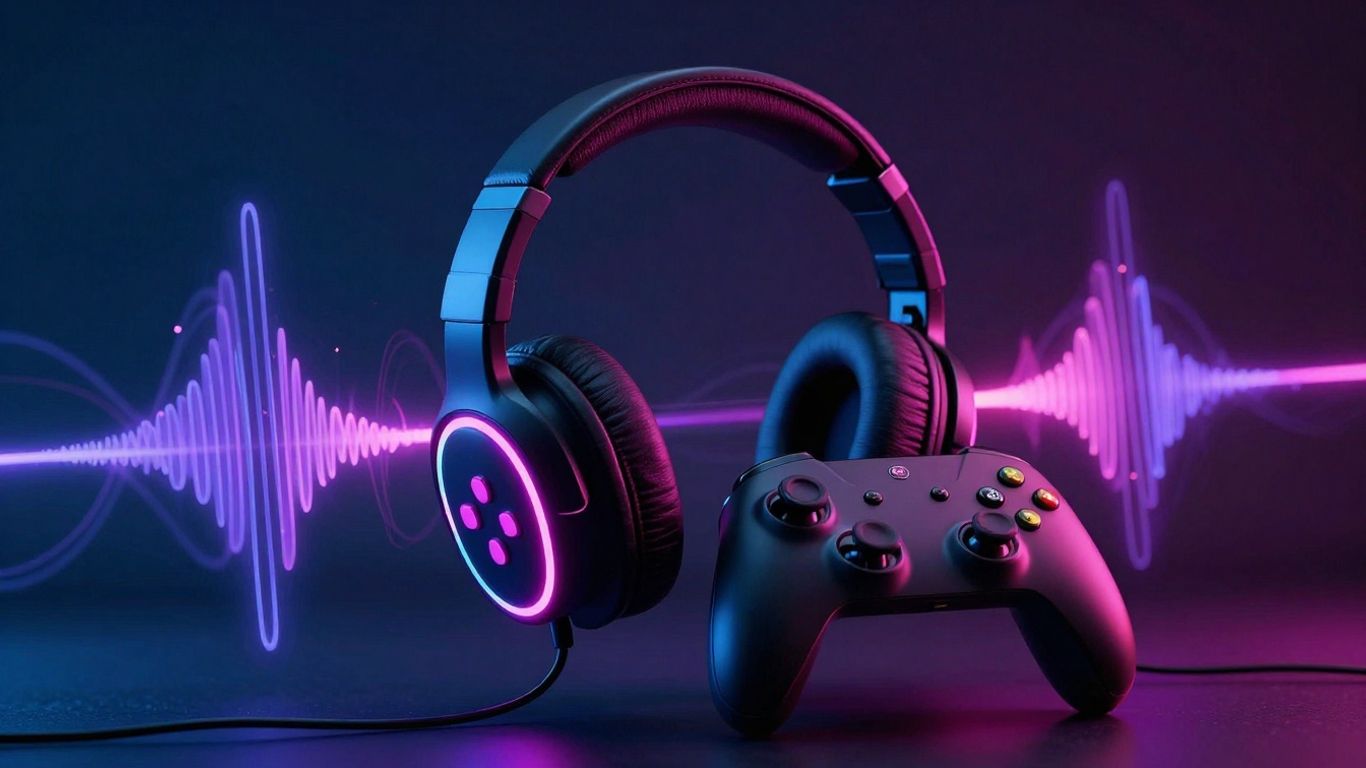
So, you've strapped on that VR headset, right? It's wild. But imagine if the sound wasn't just there, but it was everywhere, reacting to you. That's where VR is taking game music. We're talking about soundscapes that shift and swirl as you turn your head, music that swells when you do something awesome, or gets all spooky when you're creeping around a corner. It's not just background noise anymore; it's like the game's breathing with you. Think about being able to touch the music, to sculpt it with your own movements. It's going to be less about listening and more about living the sound.
Cross-Industry Collaborations: Bridging Worlds
Remember when games were just for gamers? Yeah, me neither. Now, you've got artists you love dropping surprise concerts inside games like Fortnite. It’s not just a one-off thing, either. Expect more of this. Musicians are realizing games are massive stages, and game developers are seeing how a big-name artist can bring a whole new crowd. We might even see artists making music specifically for games, or games built around a musician's vibe. It’s like a musical potluck where everyone brings their best dish.
The Ever-Expanding Universe Of Gaming Soundtracks
What's next? Honestly, who knows for sure, but it's going to be epic. We're seeing AI start to cook up personalized soundtracks that change based on your mood or how you're playing. Imagine a game that knows you're stressed and dials down the intense music, or ramps it up when you're on a winning streak. Plus, with more people making games than ever, the sheer variety of music is going to explode. You'll have everything from tiny indie games with quirky, lo-fi beats to massive AAA titles with full-blown orchestras. The only limit is our imagination, and let's be real, gamers and musicians have a ton of that.
Here's a peek at what's cooking:
- VR/AR Immersion: Sound that wraps around you, reacting to your every move.
- Artist Crossovers: Your favorite musicians performing in virtual worlds.
- AI-Generated Scores: Music that adapts to you.
- Indie Innovation: A flood of unique, creative soundtracks from small studios.
The lines between playing a game, listening to music, and experiencing art are just getting blurrier. It's a good time to have ears.
The world of gaming music is changing fast! From epic soundtracks to catchy tunes, the sounds in our favorite games are getting more exciting. Want to know what's coming next and how it might sound? Dive deeper into the evolution of game music and discover the trends shaping its future. Visit our website to explore the latest in gaming audio and find out what's next for gaming music!
So, What's the Takeaway?
Alright, so we've journeyed through the wild world where game soundtracks meet the vibes of the Beats. It's pretty wild to think how these digital worlds, from the old-school bleeps to the epic orchestral scores, have picked up on and sometimes totally twisted the spirit of Beat culture. Whether games are making fun of it, playing with it ironically, or even accidentally getting it right, it's clear that gaming isn't just about button-mashing anymore. It's become this weird, wonderful mirror reflecting all sorts of cultural stuff, including the rebellious heart of the Beats. So next time you're deep into a game, pay attention to the sounds – you might just hear a little bit of that Beatnik rebellion, or at least a really catchy tune that makes you want to grab a controller and maybe even write some questionable poetry. Who knows, maybe your next high score will be inspired by a jazz solo!
Frequently Asked Questions
How did game music start out?
Game music began with simple electronic sounds, often called 'chiptunes.' Think of the basic beeps and boops from really old games. These were made with limited technology but became super catchy and are still loved today.
When did game music start sounding more complex?
As computers got better, music in games became more layered. Using things like MIDI, composers could create richer sounds that added more feeling and depth to the game's story and world, moving beyond just simple tunes.
How did games get those big, movie-like soundtracks?
When games started looking more realistic with 3D graphics, the music followed suit. Composers began using full orchestras to create powerful, emotional scores that really pulled you into the game's story and made you feel what the characters felt.
Are game soundtracks popular outside of games?
Absolutely! Game music is huge now. It's played in big concerts, and many famous musicians sample or get inspired by game tunes. People love these melodies because they often remind them of awesome times playing games.
Why do game songs stick with us so much?
Game music often connects with us because it's linked to strong memories and feelings from playing. When you hear a song from a game you loved as a kid, it brings back all those good vibes and makes you feel connected to that experience.
What's the future of music in games?
The future is super exciting! With new tech like virtual reality, music will become even more immersive. We'll probably see more cool team-ups between game creators and musicians from different genres, making game music bigger than ever.