
So, you're an independent artist trying to figure out how to get the right beats for your music without, you know, totally messing things up. It’s a big deal, right? Picking beats can feel like a minefield, especially with all the options out there. You see those "free beats" and think, 'Score!', but then you wonder if it's really that simple. We're going to break down how to pick beats that actually help your music career, not hurt it. Let's get into it.
Key Takeaways
- Avoid the "free beat" trap; they often come with hidden costs like limited rights or poor quality that can hurt your music later.
- Non-exclusive licenses are usually your best bet as an independent artist, offering a good balance of cost and legal usage rights.
- Understand what you're paying for with licenses – it's about usage rights, stream limits, and sometimes trackouts for better sound control.
- Budget wisely by comparing prices, looking into bulk deals, and always thinking about how the beat cost will eventually earn its money back.
- Building good relationships with producers through clear communication can lead to better deals and future collaborations.
Dodging the "Free Beat" Black Hole
Alright, let's talk about something that trips up a lot of new artists: those "free beats" you see all over the internet. They look super tempting, right? Like, "Score! I can get a dope beat without spending a dime!" And yeah, for a quick freestyle or just messing around, they can be fun. But if you're serious about making music and getting it out there, that "free" path can quickly turn into a dead end.
Why the Free Beat Trap Is So Tempting (And So Risky)
Look, I get it. Money's tight when you're starting out. You want to create, you want to record, and the idea of getting a beat for zero dollars sounds like a dream. It's like finding a free sample at the grocery store – "Ooh, tasty and no cost!" But here's the kicker: those free beats usually aren't truly free. They come with strings attached, and those strings can tie you up later on.
Think about it. When you grab a "free" beat, what are you actually getting? Usually, it's a license with super strict limitations. You might not be able to use it for commercial releases, meaning you can't put it on Spotify or Apple Music and actually make money from it. Or maybe the producer can keep selling it to hundreds of other artists, so your track ends up sounding like everyone else's. That "free" beat could end up costing you your unique sound and your ability to profit from your own work. It's a classic "you get what you pay for" situation, but with potentially bigger consequences.
The Hidden Costs of "Free" Beats
So, what are these hidden costs? Well, besides the obvious restriction on making money, there's the quality issue. Free beats are often lower quality, maybe not mixed or mastered properly. That means your song might not sound as polished as you want it to. Then there's the legal gray area. Without a clear license, you might be infringing on someone's copyright without even knowing it. Imagine getting your song taken down from streaming platforms because the beat wasn't properly licensed! Ouch.
Here's a quick rundown of what you might be giving up:
- Monetization Rights: Can't put it on Spotify, Apple Music, or sell it.
- Exclusivity: The producer can sell the same beat to countless other artists.
- Quality Control: Often lower audio quality, not professionally mixed/mastered.
- Legal Security: Potential copyright issues down the line.
The temptation of a "free" beat is strong, but it often leads to limitations that can stunt your growth as an artist. It's like building a house on a shaky foundation – it might look okay at first, but it's not going to last.
Why Non-Exclusive Licenses Are Your New Best Friend
This is where non-exclusive licenses come in. Think of them as the sweet spot for independent artists. You pay a reasonable fee, and you get the right to use the beat for your song, often with clear guidelines on streaming limits, sales, and even performance rights. The producer still owns the beat and can sell it to others, but you get a legitimate license to use it for your project. It's a fair trade that protects both you and the producer. You get a quality beat that you can actually build a career with, and the producer gets paid for their work. It's a win-win that keeps your music legal and sounding professional.
Decoding Beat Licenses Like a Boss
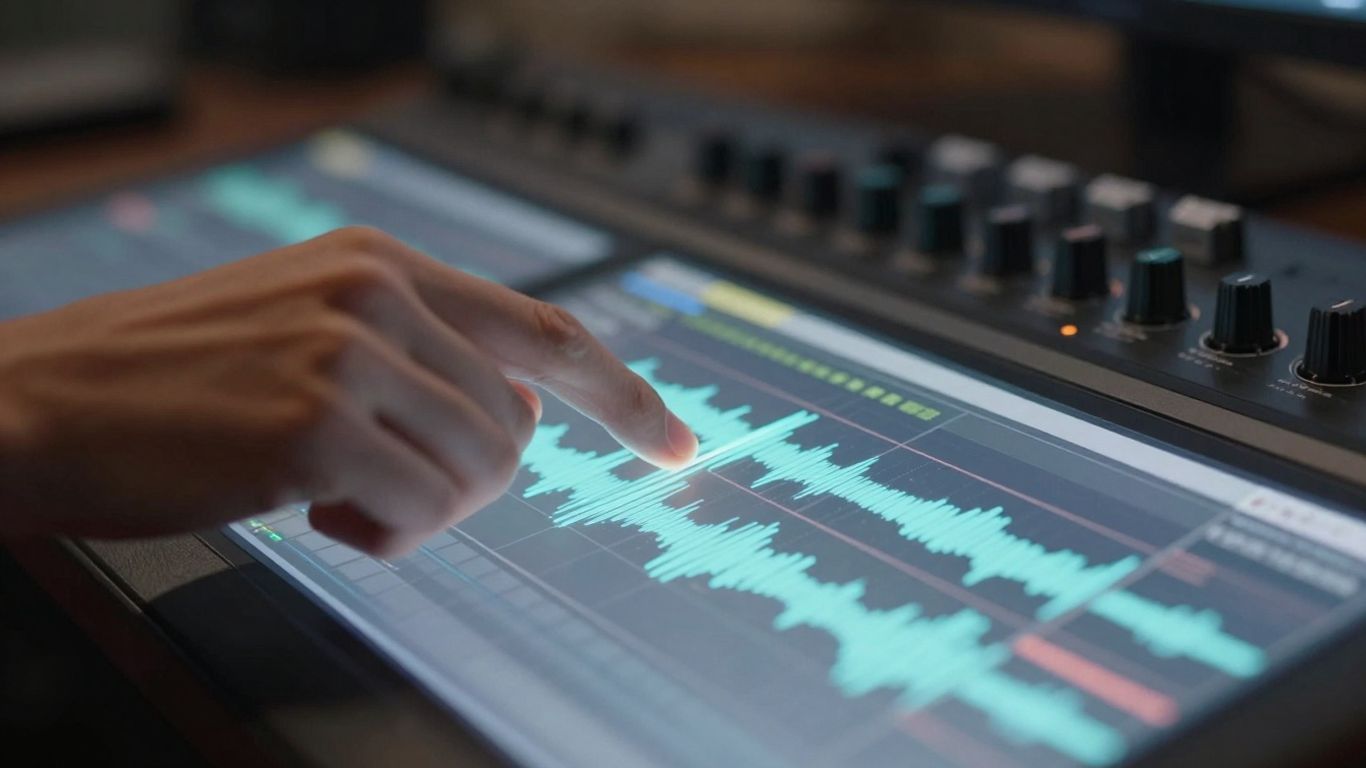
Alright, let's talk about the nitty-gritty of getting your hands on those fire beats. You've found the perfect track, your creative juices are flowing, but hold up! Before you hit that 'buy' button, you gotta understand what you're actually getting. It's not just about the audio; it's about the legal paperwork that lets you actually use it. Think of it like renting a cool apartment – you get to live there, but you don't own the building, right? Beat licenses work kinda like that.
Non-Exclusive vs. Exclusive: What's the Real Deal?
This is the big one. When you grab a non-exclusive license (often called a 'lease'), you're basically joining a club. Lots of other artists can get the same beat. It's usually way cheaper and perfect for getting your music out there when you're starting out. You get to use the beat for your song, put it on Spotify, make a YouTube video, the whole shebang, but there might be limits on streams or sales. On the flip side, an exclusive license means you're the only one who can use that beat. It's more expensive, but you get full control and usually own the master rights to the sound recording. This is your ticket to total creative freedom with that specific track.
Understanding Usage Rights and Stream Limits
So, you've got your non-exclusive lease. Awesome! But what can you actually do with it? This is where you gotta read the fine print. Most leases will spell out how many streams your song can get on platforms like Spotify or Apple Music before you need to upgrade. They'll also mention limits on music video views, paid downloads, and even live performances. It's super important to know these numbers. If your song blows up and hits those limits, you'll need to get a higher license tier or even an exclusive one to keep things legal and avoid trouble.
Here's a quick rundown of what to look for:
- Stream Limits: How many times can your song be streamed across all platforms?
- Sales Limits: How many digital copies can you sell?
- Monetization Rights: Can you make money from ads on YouTube or other platforms?
- Performance Rights: Can you play the song at paid gigs?
- Radio Play: Are you allowed to get your song played on the radio?
When Leasing Beats Is Your Secret Weapon
Leasing, or getting a non-exclusive license, is often the smartest move for independent artists, especially when you're building your catalog. Why? Because it's budget-friendly. You can grab a bunch of different beats from various producers without draining your bank account. This lets you experiment with different sounds and release more music consistently. Think of it as stocking up your musical pantry. You get a taste of professional production and can start building a fanbase. Plus, many producers offer tiered leasing options, like 'Unlimited' leases, which give you pretty much all the rights without the exclusivity price tag. It’s a fantastic way to get your music heard and start making some noise in the industry.
Budgeting Like a Savvy Independent Artist
Alright, let's talk about the real deal: your wallet. Making music is awesome, but it costs money. You've got to be smart about where your cash goes, especially when it comes to beats. Thinking you can just grab a "free" beat and call it a day? Yeah, we'll get to why that's usually a terrible idea in a sec. For now, let's focus on how to spend your hard-earned cash wisely so you don't end up broke with a half-finished track.
Finding Quality Beats Without Breaking the Bank
So, you need a killer beat, but your bank account is looking a little… lean. Don't sweat it! You don't need to drop a fortune to sound good. The trick is knowing where to look and what to look for. Forget those "free" beats that come with a million restrictions; they're usually low quality and can cause legal headaches later. Instead, focus on producers who offer non-exclusive licenses. These are way more affordable than exclusive rights and still give you plenty of freedom to create and share your music. Think of it like renting a really nice apartment instead of buying a mansion you can't afford. You get the vibe, the quality, and you don't go bankrupt.
Here’s a quick rundown of what to consider:
- Price vs. Value: Don't just grab the cheapest beat. Look at the quality of the production, the producer's reputation, and what the license actually allows you to do. Sometimes paying a little more for a better beat is totally worth it.
- License Terms: Always read the fine print! How many streams are allowed? Can you use it for commercial releases? Knowing this upfront saves you from nasty surprises.
- Producer Reputation: Check out other artists who have used their beats. Do they sound good? Are those artists happy?
The Magic of Bulk Deals and Custom Plans
If you're planning on dropping a few tracks, buying beats one by one can add up fast. Smart artists know how to get more bang for their buck. Many producers, myself included, offer bulk deals. This means you can buy a pack of beats for a discounted price. It’s like buying in wholesale – you save money per beat, and you’ve got a stash of fresh sounds ready to go for your next few projects. It’s a win-win!
Another option is a custom plan. If you have a specific sound in mind or need a few beats that all fit together thematically, talk to a producer about a custom package. They might be able to create something unique for you at a better rate than if you bought each beat separately. It’s all about building a relationship and finding a deal that works for both of you.
Calculating Your Return on Investment (ROI)
Okay, this sounds super business-y, but it’s important. You're spending money on beats, recording, mixing, artwork, and promotion. You need to have a rough idea of how you're going to make that money back, or at least cover your costs. This is your Return on Investment (ROI).
You're not just buying a beat; you're investing in a song. Think about how that song will make you money – through streams, downloads, live shows, merch. If a beat costs you $50 and the song ends up making you $500, that's a pretty good ROI. If it costs you $500 and the song only makes $100, well, you see the problem.
Here’s a simple way to think about it:
| Expense Category | Estimated Cost | Potential Income Source |
|---|---|---|
| Beat Lease | $30 | Streaming Royalties |
| Recording | $100 | Digital Downloads |
| Mixing/Mastering | $150 | Live Performance Fees |
| Artwork | $50 | Merchandise Sales |
| Promotion | $70 | Sync Licensing (future) |
| Total Spent | $400 | Total Potential Earned |
This is just a rough example, of course. The actual numbers will vary wildly. The point is to have a plan. If you spend $500 on an exclusive beat and your song only gets 10,000 streams, you're probably not recouping that cost anytime soon. Leasing that same beat for $30 and getting 10,000 streams is a much smarter financial move, leaving you with more cash to invest in other parts of your music career.
Quality Over Quantity: Sounding Like a Pro
Okay, so you've got a killer idea for a track. You've picked out a beat that just feels right. But hold up a sec – are you just grabbing any old MP3 and calling it a day? If you want your music to actually turn heads and not sound like it was recorded in a tin can, you gotta pay attention to the audio quality. Seriously, this is where a lot of independent artists trip up.
Why Audio File Quality Matters (A Lot!)
Think of it like this: you wouldn't build a fancy house on a shaky foundation, right? The same goes for your music. The beat is your sonic foundation. If the audio file you get is low-res, compressed to heck, or just generally muddy, no amount of vocal magic is going to make it sound professional. Producers spend ages mixing and mastering their beats to sound good. If you're not getting the right files, you're basically throwing away all that hard work before you even start.
The Power of Trackouts and Stems
This is where things get interesting. When you buy a beat, you usually get a basic MP3 or WAV. That's fine for just vibing, but for actual recording and mixing? You need more. That's where trackouts (also called stems) come in. These are the individual audio files for each instrument in the beat – the drums, the bass, the synths, the melody, everything. Having these is like having a secret weapon.
Why are they so great?
- Total Control: You can adjust the volume of each element, EQ them separately, add effects, or even remove parts if they clash with your vocals.
- Better Mixing: Your engineer (or you, if you're mixing it yourself) can actually work with the beat, not against it. This means your vocals can sit perfectly in the mix without sounding buried or overpowering.
- Creative Freedom: Want to chop up the melody or add a new drum loop? With stems, you can do that. It lets you really make the beat your own.
Most producers offer different license tiers, and the ones that include trackouts or stems are usually a bit pricier. But trust me, for the level of polish you can achieve, it's often worth every penny.
Achieving That Studio-Polish on a Budget
So, how do you get that pro sound without emptying your wallet? It's all about smart choices.
- Prioritize WAV Files: Always aim for a high-quality WAV file at the very least. If you can swing it, get the trackouts/stems.
- Look for Deals: Many producers offer bulk deals on beats or custom packages. If you know you'll be releasing a few tracks, buying multiple beats at once can save you a ton.
- Budget for Mixing: Don't forget to factor in the cost of mixing and mastering. Even with great stems, a good mix engineer can make a huge difference. If you're mixing yourself, invest in some decent plugins and learn the basics.
Don't let the idea of "studio polish" scare you. It's not about having a million-dollar studio; it's about understanding the tools you have and using them wisely. Getting good quality audio files from your producer is the first, and arguably most important, step to making your music sound like it belongs on the radio.
Choosing beats isn't just about the vibe; it's about the technical quality too. Investing a little more in better audio files and understanding what you're getting will pay off big time when it comes to the final sound of your tracks.
Building Your Beat Strategy for Success
Alright, so you've got a killer track idea brewing, and you're eyeing that perfect beat. But hold up! Just grabbing any beat isn't enough. You gotta have a plan, a whole strategy, to make sure that beat actually helps you shine, not just sit there collecting digital dust. Think of it like this: you wouldn't build a house without blueprints, right? Same goes for your music.
Aligning Beats with Your Artistic Vision
First things first, does the beat actually sound like you? If you're channeling serious trap vibes, a mellow acoustic guitar loop might not be the best fit, no matter how catchy it is. Your beat is like the backdrop for your story. It needs to match the mood, the energy, and the message you're trying to send. Ask yourself:
- Does this beat fit the genre I'm aiming for?
- Does the vibe of the beat match the lyrics or melody I have in mind?
- Will this beat help me stand out, or does it sound like a million other tracks out there?
Choosing a beat that genuinely connects with your artistic identity is way more important than just picking something that's popular. It’s about building a cohesive sound that fans can recognize as uniquely yours.
The Importance of a Solid Release Strategy
Okay, you've got the beat, you've got the vision. Now what? You can't just drop a song into the void and expect magic. You need a release strategy. This means thinking about when you'll drop it, how you'll promote it, and what comes next. A well-planned release can make or break a track.
Here’s a quick rundown of what to consider:
- Timing: When is the best time to release? Avoid major holidays if you're not themed, and consider what other artists are dropping.
- Promotion: How will people hear about your track? Social media, playlists, maybe even a small ad campaign?
- Follow-up: What's the next song? Having a plan for your next release keeps the momentum going.
Don't let a killer beat go to waste because you didn't think about how you'd actually get it heard. A little planning goes a long way in making sure your music finds its audience.
Using Tools to Keep Your Music on Track
Feeling overwhelmed? Totally normal. Luckily, there are tons of tools out there to help you stay organized. Think of them as your musical sidekicks. You can use simple spreadsheets to track your beat purchases, license details, and release dates. Or, if you're feeling fancy, there are project management apps that can help you map out your entire release schedule, from beat selection to final promotion.
- Beat Tracker Spreadsheet: List the producer, beat name, license type, cost, and expiration date. Easy peasy.
- Release Planner App: Tools like Trello or Asana can help you create visual timelines for your releases.
- Digital Audio Workstation (DAW) Organization: Keep your project files clean and labeled so you can easily find the right beat version.
Having these systems in place means you spend less time stressing about logistics and more time making awesome music. It's all about working smarter, not harder, so you can keep that creative fire burning bright!
The Art of Producer Relationships

Okay, so you've found some beats that make your soul sing. Awesome! But here's the thing: the beat is just the starting point. The real magic often happens when you connect with the person who made it. Think of producers as your musical collaborators, even if you're just buying a license. Building a good relationship with them can seriously smooth out your music-making process and even open up unexpected doors.
Why Communication is Key
Seriously, don't be shy. If you're unsure about a license, how many times a beat has been sold, or if you can snag exclusive rights, just ask! Most producers are happy to chat. They want to help you succeed because, let's be real, your success is kind of their success too. It's like building a team, and clear communication is the glue that holds it all together. You might even find that a quick email exchange can lead to something much bigger down the line.
Negotiating Deals and Finding Your Fit
Got your eye on an exclusive beat that's a little out of your budget? Don't just walk away! Sometimes, a producer might be willing to work with you. If you've already demoed a track on their beat and you're genuinely feeling it, send them a message. Explain your situation and see if they're open to a discount or a different payment plan. You never know what might happen if they believe in your vision. It's all about finding that sweet spot where both you and the producer feel good about the deal.
Building Connections That Last
Sometimes, a single beat can be the start of a long-term musical partnership. If you vibe with a producer and they dig your style, you might end up collaborating on multiple tracks or even a whole project. These connections are gold. They can lead to unique sounds that define your brand and help you stand out. Plus, having a go-to producer you trust makes the whole process of creating music way less stressful and way more fun. Remember, these relationships are a big part of building a team for your music career.
Building strong connections with those who help you make music is super important. Think of it like having a good teammate for your music journey. Want to learn more about making these relationships work? Check out our website for tips and tricks!
So, What's the Takeaway?
Alright, so you've wrestled with the wild world of beat selection and licensing. Remember, it's not about finding the 'cheapest' option, it's about finding the smartest option for your music right now. Whether you're grabbing a non-exclusive lease to get your first tracks out there or saving up for something more custom, the goal is to keep making dope music without getting tangled in legal knots. Don't be afraid to hit up producers with questions – they're usually just regular folks trying to make a living too. Now go forth and create something amazing, you got this!
Frequently Asked Questions
What's the big deal with "free beats"?
Free beats might seem like a sweet deal at first, saving you cash. But, they often come with hidden strings attached. You might not get full rights to use them for making money, or they could be used by tons of other artists, making your track sound less unique. It's usually better to get a proper license.
Non-exclusive vs. exclusive beats: which is better for me?
Think of it like this: a non-exclusive beat is like buying a t-shirt that many people can buy. An exclusive beat is like a custom-made suit just for you. Non-exclusive is usually cheaper and great for starting out, while exclusive gives you full control but costs way more. Most indie artists start with non-exclusive.
What does a beat license actually let me do?
A beat license is basically permission to use the beat in your music. It spells out things like how many times you can stream your song, if you can sell copies, and if you can use it for performances. Always check the details of the license to make sure it fits your plans.
Is leasing a beat a good idea?
Leasing a beat is like renting it for a while. It's often cheaper than buying exclusive rights and lets you use the beat for a set number of streams or sales. It's a smart way to save money, especially when you're just starting, and you can always buy the exclusive rights later if your song takes off.
How can I get good quality beats without spending a fortune?
You don't always need to spend big bucks. Look for producers who offer non-exclusive licenses with good quality audio files. Sometimes, buying beats in a bundle or asking about custom plans can also get you a better deal. Focus on beats that sound professional and fit your style.
What are trackouts or stems and why do they matter?
Trackouts, or stems, are the individual parts of the beat (like drums, bass, melody) separated. Having them gives you way more control when you mix and master your song. It's like having all the ingredients separate to cook your perfect dish, helping you get that polished, studio-quality sound.