
You know, it's pretty wild how music travels. You might be bumping some hip-hop and suddenly catch a vibe that feels… different. That's probably the magic of Afrobeat sneaking in. This genre, born in Nigeria, has this incredible way of just weaving itself into other sounds, and hip-hop is definitely feeling its pull. It’s more than just a beat; it's a whole feeling that connects people across the globe. Let's check out how these afro beats are making such a big splash.
Key Takeaways
- Afrobeat's unique rhythms and soulful sounds have naturally found a home within hip-hop, creating a fresh sonic blend.
- Thematic similarities, like messages of resistance and self-expression, link Afrobeat and hip-hop, making them a powerful combination.
- Major hip-hop artists are increasingly collaborating with Afrobeat stars, bringing these afro beats to a massive global audience.
- Beyond music, Afrobeat influences hip-hop culture through fashion, dance, and a celebration of heritage.
- Social media platforms have been crucial in spreading Afrobeat's influence on hip-hop, allowing direct fan connection and viral trends.
The Infectious Groove: How Afrobeat Found Its Way Into Hip-Hop's Heart
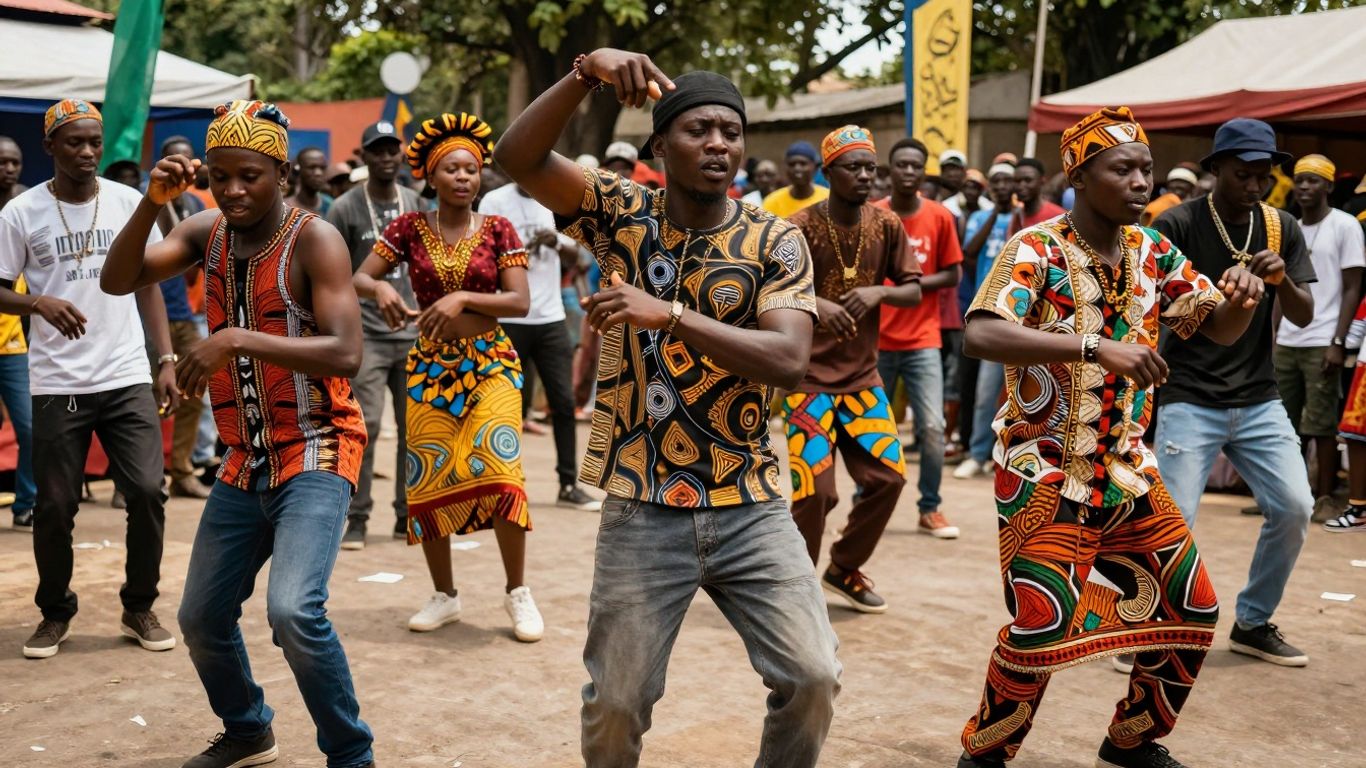
You know how some music just grabs you and makes you want to move? That's Afrobeat for you. It’s this amazing blend of West African rhythms, jazz, and funk that started way back in Nigeria, thanks to legends like Fela Kuti. But it didn't just stay in Lagos; oh no, this sound packed its bags and went on a world tour, eventually crashing the party in the US hip-hop scene. It’s like finding out your favorite rapper sampled a beat from a totally different continent – mind blown!
From Lagos to the Lyrical Flow
So, how did this vibrant sound cross the ocean? Well, it wasn't an overnight thing. In the early days, artists from Africa were actually looking to the US for inspiration. But then, Afrobeat really started to find its own voice, moving beyond just copying American beats. This unique sound, with its complex rhythms and soulful vibes, started to catch the ears of producers and artists stateside. Suddenly, you're hearing these familiar yet fresh sounds popping up in hip-hop tracks, adding a whole new layer of flavor. It’s a testament to how music travels and transforms, eventually influencing artists like those who create Afrobeat music.
Rhythm and Rhyme: A Natural Connection
Honestly, it makes total sense when you think about it. Hip-hop has always been about storytelling and expressing yourself, right? Afrobeat, with its powerful messages and infectious energy, just clicked. Both genres often come from a place of speaking truth to power and celebrating culture. It’s like they speak the same language, just with different accents. You can see this connection in how both genres often tackle social issues, making them feel super relatable to listeners.
- Shared Roots: Both genres often draw from African diasporic experiences.
- Rhythmic Complexity: Afrobeat's intricate drum patterns provide a rich foundation for hip-hop beats.
- Vocal Delivery: The call-and-response patterns in Afrobeat can be heard echoed in hip-hop's lyrical flow.
Sampling the Soul: Legendary Grooves Reimagined
This is where things get really fun. Hip-hop producers are like musical archaeologists, digging up old gems and giving them new life. And boy, did they dig up some Afrobeat treasures! You've got iconic tracks that have sampled the likes of Fela Kuti and Manu Dibango, turning those classic grooves into brand new anthems. It’s a brilliant way to introduce a whole new generation to these foundational sounds while creating something fresh and exciting. It’s a cycle of inspiration, where the past fuels the future, and everyone wins.
The way Afrobeat's intricate rhythms and soulful melodies have been woven into the fabric of hip-hop is a beautiful example of musical evolution. It’s not just about borrowing; it’s about reimagining and creating something that honors the original while forging a new path.
Beyond the Beat: Afrobeat's Thematic Resonance with Hip-Hop
So, you've grooved to the beats, felt the rhythm, and maybe even busted out some moves. But Afrobeat isn't just about making your body move; it's got something to say, and guess what? Hip-hop has been listening. These two genres, though born continents apart, share a whole lot of common ground when it comes to the messages they carry. Think of it as a shared playlist of life's big stuff.
Voices of Resistance, Rhythms of Rebellion
Back in the day, Afrobeat wasn't just background music for parties. Artists like Fela Kuti used their music as a megaphone, calling out injustice, corruption, and the struggles faced by everyday people. It was music with a purpose, a soundtrack for change. And hip-hop? It's practically built on that same foundation. From its early days, hip-hop has been the voice for the voiceless, tackling social issues, police brutality, and inequality head-on. It's no wonder these two genres click so well; they both understand the power of a beat to carry a message of defiance. You hear that spirit in both the raw energy of early hip-hop anthems and the powerful, often politically charged, lyrics of Afrobeat legends.
Self-Expression's Global Stage
Beyond the protest songs, both Afrobeat and hip-hop are massive platforms for self-expression. They give artists a space to tell their stories, celebrate their culture, and just be unapologetically themselves. Whether it's Fela Kuti's flamboyant stage presence or a rapper dropping a deeply personal verse, it's all about authenticity. This shared value makes it easy for artists to connect and collaborate, bringing their unique perspectives to a global audience. It’s like they’re saying, “Here’s who I am, this is my story, and I’m proud of it.”
From the Streets to the Charts
What's really cool is how both genres have managed to stay true to their roots while also conquering the mainstream. Afrobeat started in the streets and clubs of West Africa, and hip-hop emerged from block parties in the Bronx. Yet, both have exploded onto the global scene, influencing music charts worldwide. This journey from grassroots movements to international phenomena shows a shared resilience and an undeniable appeal that transcends cultural boundaries. It proves that music born from genuine experience and a desire to connect can truly capture the world's attention.
The Global Takeover: Afrobeat Artists Collaborating with Hip-Hop Heavyweights
From Lagos to the Lyrical Flow
Remember when you first heard that beat and thought, "Who is that?" Yeah, that's the magic we're talking about. It's wild to think how far Afrobeat has traveled, right? It's not just a sound anymore; it's a whole vibe that's crashing into the hip-hop scene like a friendly, rhythm-loving tidal wave. You've probably noticed it yourself – those artists you love dropping tracks with singers and rappers from Nigeria, Ghana, and beyond. It's like the world just decided to have one massive, epic jam session, and we're all invited.
Rhythm and Rhyme: A Natural Connection
Honestly, it makes total sense when you break it down. Both Afrobeat and hip-hop come from places where people have a lot to say, and they found music to be the perfect way to say it. Think about it: powerful messages, stories from the streets, a whole lot of swagger. It's no wonder these two genres click so well. They share that same energy, that same need to express yourself loud and proud. It’s like they were always meant to find each other.
Sampling the Soul: Legendary Grooves Reimagined
And then there's the sampling! Hip-hop has always been about digging through the crates, finding those killer old-school beats and flipping them into something new. Now, they're digging into Afrobeat's rich history. You've got legends like Fela Kuti and Manu Dibango whose music is getting a whole new life, introduced to a fresh generation through hip-hop tracks. It's a beautiful way to honor the past while creating the future.
Voices of Resistance, Rhythms of Rebellion
It's not just about the catchy tunes, either. Both genres have roots in speaking truth to power. Fela Kuti, for example, used his music to talk about serious social and political issues in Nigeria. That spirit of using music as a tool for change? Hip-hop artists get that. They often tackle similar themes of injustice and inequality in their own lyrics. So, when you hear an Afrobeat rhythm under a hip-hop track, you're often hearing a continuation of that powerful legacy.
Self-Expression's Global Stage
And let's not forget the sheer joy of it all! Afrobeat is all about celebrating life, culture, and identity. Hip-hop, at its core, is about telling your story, your way. When these two worlds collide, you get this incredible explosion of creativity. Artists are finding new ways to express themselves, blending sounds and styles to create something totally unique. It’s a global stage where everyone’s invited to bring their authentic selves.
From the Streets to the Charts
It's pretty amazing to see how artists like Burna Boy, Wizkid, and Davido have gone from making music in their home countries to topping charts worldwide, often collaborating with hip-hop giants. You've seen Drake jump on tracks like "One Dance" with Wizkid, or Ed Sheeran teaming up with Fireboy DML. These aren't just random collabs; they're strategic moves that bring different audiences together and show just how massive Afrobeat's influence has become. It's proof that great music knows no borders.
| Artist(s) | Hip-Hop Collaborator | Notable Track(s) |
|---|---|---|
| Burna Boy | Stormzy, Ed Sheeran | "For My Hand", "Own It" |
| Wizkid | Drake, H.E.R. | "One Dance", "Come Closer" |
| Davido | Chris Brown, Lil Baby | "Blow My Mind", "Holy Ground" |
The way these collaborations are happening is changing the game. It's not just about one genre influencing another anymore; it's a true fusion, a back-and-forth that's making music more exciting and diverse than ever before. You're hearing sounds you never expected, and it's all thanks to these brave artists pushing boundaries.
The "African Giant" and His Global Empire
When you talk about Afrobeat's takeover, you have to mention Burna Boy. He's practically a one-man global phenomenon, earning Grammys and selling out arenas. His ability to blend Afrobeat with hip-hop, dancehall, and R&B has made him a household name. He’s not just making music; he’s building an empire, and hip-hop heavyweights are lining up to be a part of it. It’s a testament to the power and appeal of his sound, proving that African music is here to stay on the world stage.
More Than Just Music: Afrobeat's Cultural Footprint on Hip-Hop
So, you've been digging the beats, right? But Afrobeat's influence on hip-hop goes way deeper than just a catchy rhythm. It's like a whole cultural exchange program happening, and you're invited! Think about it: both genres have this raw energy, a way of speaking truth to power, and a serious knack for celebrating heritage. It’s a vibe that just clicks.
Fashion Forward: Afro-Centric Styles Hit the Scene
Ever notice how some of your favorite rappers are rocking bolder patterns, vibrant colors, and styles that just scream confidence? That's the Afrobeat influence creeping in, my friend. It's not just about the music; it's about the whole look. We're talking about prints that tell a story, silhouettes that command attention, and an overall aesthetic that's unapologetically African. It’s like hip-hop artists are taking cues from the runway shows in Lagos and Accra, bringing that flair to the global stage. It’s a visual language that says, "I'm here, I'm proud, and I look good doing it."
Dance Moves That Make You Move
And the dancing! Oh, the dancing. You can't listen to an Afrobeat-infused hip-hop track without feeling that urge to move. From the smooth, fluid steps to the energetic, percussive footwork, Afrobeat brings a whole new flavor to the dance floor. Hip-hop has always been about expression, and Afrobeat's dance styles offer a fresh vocabulary. It’s less about rigid choreography and more about feeling the rhythm in your soul and letting your body do the talking. You see it in music videos, at parties, and even in those viral TikTok challenges – that infectious energy is pure Afrobeat.
A Celebration of Heritage and Pride
This is where it gets really cool. Afrobeat isn't just about sounding good; it's about feeling good and connecting with your roots. For many artists and fans, it's a powerful way to express pride in their African heritage. The music often carries messages of unity, resilience, and cultural identity, and that message is landing loud and clear with hip-hop artists and their audiences. It’s a beautiful thing to witness hip-hop, a genre born from the African diaspora, embracing and amplifying the sounds and spirit of the continent. It’s like a full-circle moment, a testament to the enduring power of Black music and its ability to connect us all.
This cultural crossover isn't just about borrowing sounds; it's about sharing stories, celebrating identity, and building bridges between communities through the universal language of music. It’s a movement that’s making the world feel a little smaller and a lot more vibrant.
Here's a quick look at how this cultural exchange is showing up:
- Visual Aesthetics: Bold patterns, vibrant colors, and traditional African motifs appearing in music videos and artist fashion.
- Dance Styles: Incorporation of Afro-inspired dance moves, emphasizing fluidity and rhythmic expression.
- Lyrical Themes: Increased focus on themes of heritage, pride, and cultural celebration within hip-hop lyrics.
- Global Connection: Artists using their platforms to highlight African culture and foster a sense of global community.
The Digital Drumbeat: How Social Media Amplified Afrobeat's Hip-Hop Crossover
Remember when finding new music felt like a treasure hunt? You'd flip through CDs, wait for your favorite song on the radio, or maybe stumble upon something cool at a record store. Well, things have changed, and social media is a huge reason why. It's like the internet threw a massive party, and Afrobeat and Hip-Hop were the VIP guests who suddenly found themselves on the same dance floor.
SoundCloud Sessions and Viral Vibes
Before TikTok was even a thing, platforms like SoundCloud were already buzzing. Artists could upload their tracks directly, bypassing traditional gatekeepers. This meant that raw, unfiltered Afrobeat sounds, often infused with hip-hop sensibilities, could find an audience without needing a major label's stamp of approval. You could literally be chilling, scrolling through SoundCloud, and BAM! You'd discover a track with a beat that made you stop everything and just move. It was a direct line from the artist's studio to your headphones, creating a global community of listeners who were hungry for something fresh. This accessibility was a game-changer, allowing Afrobeat artists to connect with fans across continents and build a following organically. It’s amazing how pop music has evolved to embrace these sounds.
TikTok Challenges and Instagram Grooves
Then came TikTok and Instagram. Suddenly, a 15-second clip of an infectious Afrobeat rhythm could become a global phenomenon overnight. Think about all those dance challenges – so many of them were powered by Afrobeat tracks! It wasn't just about listening anymore; it was about participating. People were creating their own dances, using the music as the soundtrack to their lives. This visual element made Afrobeat incredibly shareable and introduced its vibrant energy to millions who might never have sought it out otherwise. It turned music into a participatory sport, and everyone was invited to join the fun.
Cutting Out the Middleman: Direct Fan Connection
What's really wild is how these platforms let artists bypass the usual industry hustle. They could talk directly to their fans, share behind-the-scenes content, and build a real connection. This wasn't just about dropping a song; it was about building a movement. Fans felt like they were part of the artist's journey, not just passive consumers. This direct interaction is probably why Afrobeat has become such a massive global force, influencing everything from hip-hop beats to the way we all just vibe to a good rhythm. It’s a testament to how technology can bring cultures and sounds together in ways we never imagined.
The Future is Fusion: What's Next for Afrobeat and Hip-Hop
Genre-Bending Beats on the Horizon
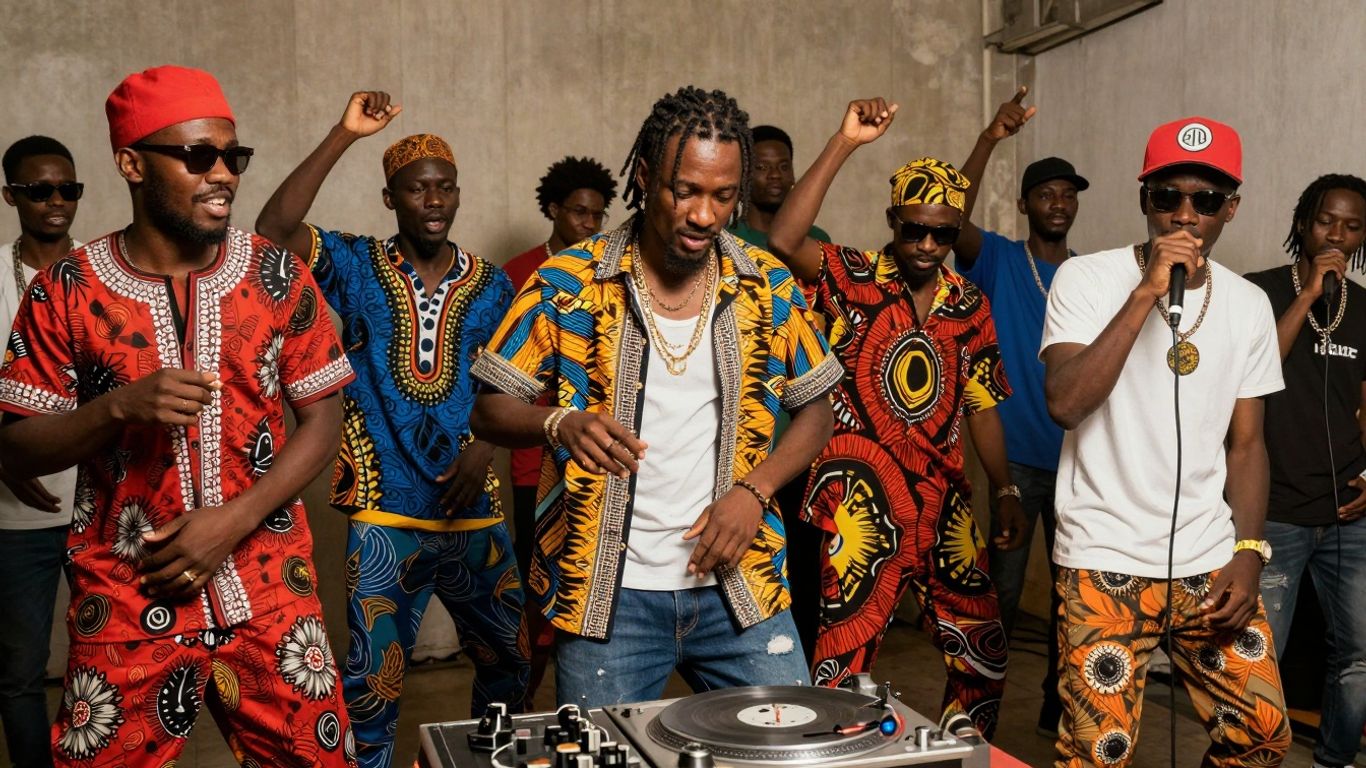
So, where do we go from here? It’s pretty wild to think about how far Afrobeat and hip-hop have come, right? They started in different places, with different stories, but somehow, they found each other and created this amazing musical conversation. Now, you're seeing artists who aren't just dabbling; they're really digging in, mixing sounds in ways that make you go, "Whoa, I didn't see that coming!" It’s like they’re taking the best bits from both worlds and cooking up something totally new. Expect more unexpected collaborations and sounds that just make you want to move.
The Rise of Afro-Fusion
This whole "Afro-fusion" thing? It's not just a buzzword; it's the real deal. Think of it as a musical melting pot where Afrobeat's infectious rhythms meet hip-hop's lyrical swagger, but then you throw in a dash of R&B, a sprinkle of electronic beats, maybe even some Latin vibes. Artists are getting bolder, pushing boundaries, and creating tracks that defy easy categorization. It’s a global sound, made for a global audience, and it’s only getting more interesting. You'll hear artists blending traditional African instruments with modern production techniques, creating a soundscape that's both familiar and totally fresh. It’s a testament to how music can evolve when you’re not afraid to experiment.
A World United by Rhythm
Honestly, the coolest part is seeing how this fusion is bringing people together. Music has this incredible power to connect us, and Afrobeat and hip-hop, in their blended form, are doing just that. You see it at festivals, you hear it on playlists, and you feel it when you're just vibing with friends. It’s a celebration of culture, heritage, and the universal language of rhythm. The future isn't just about new sounds; it's about a more connected world, grooving to the same beat. It’s exciting to think about what’s next, but one thing’s for sure: you’ll be dancing to it.
The music world is buzzing as Afrobeat and Hip-Hop blend together in exciting new ways. This fusion is creating fresh sounds that are taking over playlists everywhere. Want to hear what's next? Dive into the latest trends and discover how these genres are evolving. Visit our website to explore more about this amazing musical mix!
So, What's the Takeaway?
Alright, so we've basically gone on a wild ride, right? From Fela Kuti's OG vibes to Drake dropping bars over Wizkid beats, it's pretty clear Afrobeat isn't just some passing trend. It's like the secret sauce that hip-hop didn't even know it was missing, adding that extra spice and rhythm that just makes you want to move. You've heard it in the tracks, you've seen it in the culture, and honestly, it's everywhere. So next time you're nodding your head to a beat, take a sec to think – is that a little bit of Afrobeat magic you're hearing? Probably. And that's pretty darn cool.
Frequently Asked Questions
What exactly is Afrobeat and how did it get into hip-hop?
Afrobeat is a music style that started in Nigeria, mixing African beats with jazz and funk. Think of it like a cool blend of rhythms. It found its way into hip-hop because both genres are all about expressing yourself and sometimes talking about important issues. Hip-hop artists started using those catchy Afrobeat rhythms and sounds in their own songs, making them even more exciting.
Are there specific Afrobeat songs or artists that hip-hop artists often borrow from?
Totally! Legends like Fela Kuti are huge inspirations. His music has such a unique groove that producers love to sample. You'll hear bits of his amazing rhythms in some classic and new hip-hop tracks. It's like giving an old, awesome sound a fresh new life.
Besides the music, does Afrobeat bring anything else to hip-hop culture?
For sure! Afrobeat isn't just about the sound; it's a whole vibe. It brings a sense of pride in heritage and culture. You see this in the fashion, with vibrant African styles becoming popular, and even in the dance moves that get people grooving. It adds a rich layer of culture and celebration.
How did artists like Drake get involved with Afrobeat?
Big stars like Drake have jumped on board by featuring Afrobeat artists in their songs or using Afrobeat-inspired beats. It's a way for them to explore new sounds and reach more fans. When artists like Drake use these sounds, it introduces Afrobeat to millions of people who might not have heard it before.
How has social media helped Afrobeat connect with hip-hop fans?
Social media is like a direct line! Platforms like TikTok and Instagram let Afrobeat artists share their music easily. Fans can discover new songs, create dance challenges, and connect directly with the artists. This bypasses the old ways and helps Afrobeat spread like wildfire among hip-hop listeners.
What's next for Afrobeat and its connection with hip-hop?
The future looks super exciting! You'll probably see even more mixing of these genres. Artists are getting more creative, blending Afrobeat with hip-hop, R&B, and other styles to make totally new sounds. It's all about creating music that brings people together from all over the world, united by a great beat.