

So, you've got beats that are ready to make some money in 2026. That's awesome! You've put in the work, and now it's time to see some return. Selling your beats, or 'music monetization' as they call it, can seem like a puzzle, but it's totally doable. We're going to break down how you can get your sounds out there, get paid, and keep your creative flow going. It's not just about uploading tracks; it's about smart selling and building something cool.
Key Takeaways
- You can make money by letting artists use your beats through leasing, but you keep your rights and can license the same beat to others.
- When you're pricing your beats, think about how good they are, how much experience you have, what kind of license you're offering (MP3, WAV, stems, or exclusive), and what other producers in your style are charging.
- Get your beats out there on places like BeatStars or Airbit, and don't forget to use social media like Instagram and TikTok to tell people about them.
- To make your beat offers more appealing, try putting together bundles, offering freebies, or adding extra services like mixing and mastering.
- Understanding different license types is super important for setting prices and managing your business, and building good relationships with artists means they'll come back to you.
Unlocking the Vault: Where to Sell Your Beats
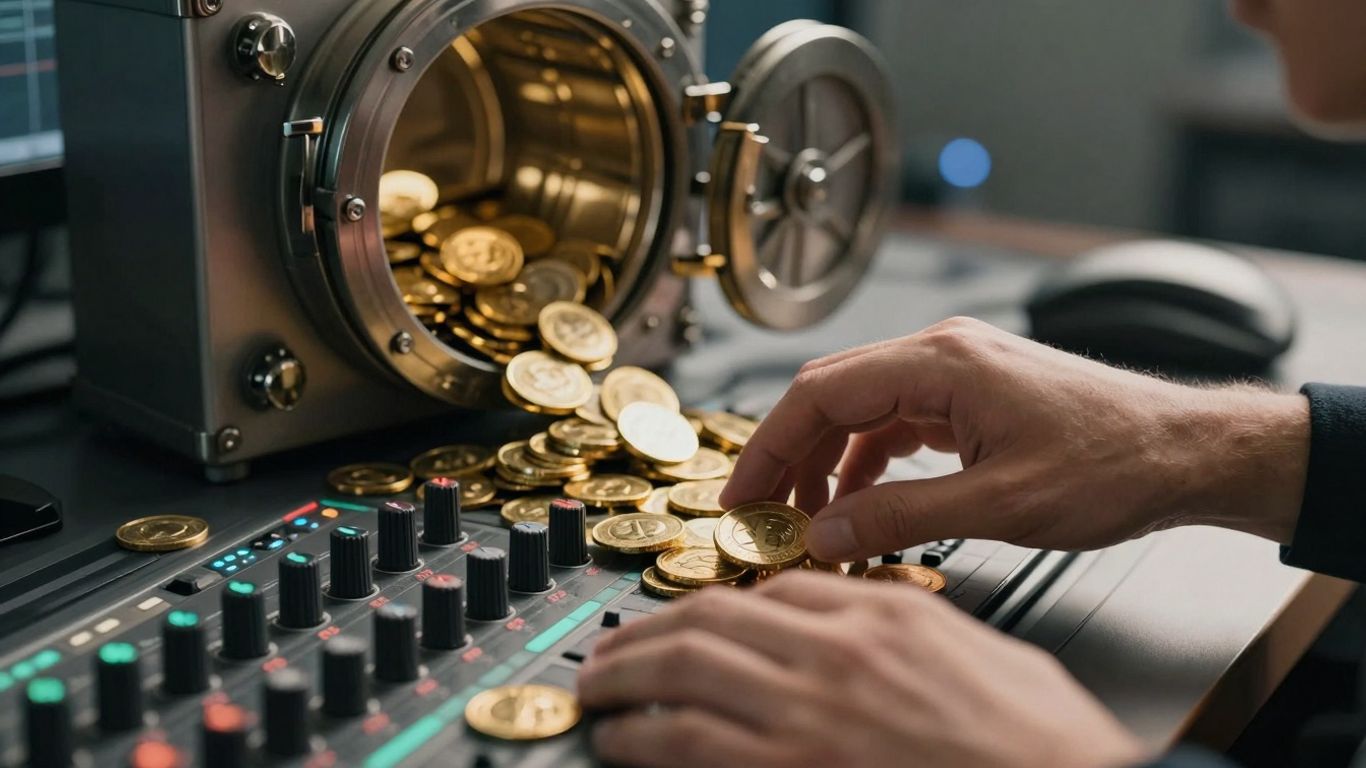
Alright, so you've cooked up some absolute bangers and you're ready to get them out there. But where do you actually sell these sonic masterpieces? It's not enough to just have fire tracks; you need to put them where the artists are actually looking. Think of it like setting up a food truck – you wouldn't park it in the middle of a cornfield, right? You gotta go where the hungry customers are!
The Digital Marketplaces Every Producer Needs
This is where the real action happens. You need a spot that's built for producers to show off and sell their work. Forget trying to hawk beats on a personal blog that nobody visits. We're talking about dedicated platforms that artists already frequent. These places handle a lot of the boring stuff, like payment processing and sending out licenses, so you can get back to making more beats.
Here are some of the go-to spots:
- BeatStars: This is probably the biggest name in the game. It's super easy to use, lets you customize your own store, and has a massive community. If you're serious about selling beats online, you have to be on BeatStars.
- Airbit: Another solid contender, Airbit offers similar features to BeatStars. It’s known for being reliable and having good tools for producers.
- Traktrain: This platform has a slightly different vibe, often appealing to producers who want a more curated feel. It’s great for building a unique brand.
Building Your Own Beat Boutique
Don't sleep on building your own website! Using platforms like Shopify or Wix to create your own site gives you total control. You can integrate your beat store directly, and it looks super professional. It takes more effort upfront, but the payoff can be huge because you're not sharing the spotlight (or the commission) with anyone else. Plus, you can really make it feel like your space.
Social Media: Your Megaphone to the Masses
Okay, so you’ve got your shop set up on a platform or your own site. Now what? You gotta drive traffic to it! Social media is your megaphone. You can’t just post a beat and expect magic to happen. You need to be active, engaging, and strategic. Think of each post as a mini-advertisement for your sound.
- Tease Your Tracks: Drop short clips, behind-the-scenes looks at your process, or even just cool visuals that match your beat's vibe.
- Engage with Artists: Comment on their posts, share their work (if it's dope!), and let them know you're around and ready to collaborate.
- Run Contests or Giveaways: Get people excited and talking about your music. Maybe offer a free lease to a lucky follower.
Remember, consistency is key. Keep showing up, keep sharing your talent, and artists will start to notice. It's a marathon, not a sprint, but with the right approach, your beats will be heard!
The goal is to make it easy for artists to find you, like what they hear, and buy your beats.
Licensing Like a Boss: Protecting Your Sound
Alright, so you've made some killer beats and you're ready to get them out there. But before you start slapping price tags on everything, let's talk about the nitty-gritty of licensing. This is where you protect your hard work and make sure you're getting paid what you deserve. Think of it like this: you wouldn't let someone borrow your car without knowing when they'll bring it back, right? Licensing is the same for your beats.
Decoding the Lease Lingo: MP3 vs. WAV vs. Stems
This is the first hurdle most producers face. What's the actual difference between these lease types, and why should you care? It all comes down to quality and what the artist can do with the beat.
- MP3 Lease: This is your entry-level option. It's a compressed file, so the quality isn't top-notch, but it's cheap and easy for artists to use for demos or smaller projects. Think of it as the 'try before you buy' of the beat world. You'll usually put limits on how many streams or sales they can get with this license.
- WAV Lease: Better quality here! WAV files are uncompressed, meaning your beat sounds cleaner and fuller. Artists often get more streams and sales allowed with a WAV lease compared to an MP3. It's a step up for artists who are a bit more serious.
- Stems/Trackouts: This is the premium lease. You're giving the artist the individual audio files (stems) for each instrument in your beat. This gives them tons of control for mixing and mastering. It’s like giving them the keys to the studio. Because of this flexibility, you can (and should!) charge a good amount more for stems.
Understanding these differences isn't just about offering options; it's about setting clear boundaries. It prevents misunderstandings down the line and ensures artists know exactly what they're paying for.
Exclusive Rights: The Crown Jewels of Your Catalog
When you sell exclusive rights, you're basically selling the whole dang thing. This means you can never sell or lease that beat to anyone else, ever. It's a one-and-done deal. Because you're removing it from your catalog permanently, this should be your highest-priced option by a mile. Artists who are really serious about a track, maybe for a major release, will want exclusives. It's the ultimate protection for their song and a significant payday for you. Make sure your terms are crystal clear about what 'exclusive' means – no loopholes!
Setting Clear Expectations for Happy Artists
Clear communication is your best friend here. When an artist buys a lease, they need to know exactly what they're getting. This includes:
- Usage Limits: How many streams are allowed? How many copies can they sell? Can they use it for commercial purposes?
- Credit Requirements: Do they need to credit you in the song title or description? How should your name be displayed?
- Territory Rights: Is the license worldwide, or limited to a specific region?
- Duration: Is the lease for a set period, or perpetual?
Having a solid, easy-to-understand contract or license agreement is key. Many beat selling platforms have templates, but you can also find resources online. For example, if an artist is planning a big release, they might be looking at deals similar to those negotiated by major labels, like the ones Warner Music Group has made.
Think of it this way: the clearer you are upfront, the fewer headaches you'll have later. Happy artists who understand the terms are more likely to come back for more beats and recommend you to their friends. It's all about building trust and professionalism in your beat-making business.
Pricing Your Beats for Maximum Profit
Alright, let's talk about the moolah, the dough, the cold hard cash you're gonna make from your beats. Pricing isn't just about picking a number out of a hat; it's a whole strategy. Get it wrong, and you're either leaving money on the table or scaring artists away faster than a bad pop-up ad. We gotta find that sweet spot where artists feel like they're getting a killer deal and you feel like your hard work is actually getting paid for.
The Value Proposition: What's Your Beat Worth?
So, what makes your beat worth, say, $50 instead of $20? A few things, really. First off, your skill level. Are you a seasoned pro who's been making beats since the days of floppy disks, or are you just getting started? Your experience matters. Then there's the quality. Is your beat mixed and mastered to sound like it just came out of a fancy studio, or is it still a bit rough? High-quality production definitely commands a higher price. Don't forget about the genre, too. Some styles are just hotter right now, and that demand can push prices up. And, of course, your reputation. If you've built a solid name and have a following, you can definitely charge more. Think about it like this:
- Beginner Producer: Might start with lower prices to build a portfolio.
- Intermediate Producer: Can charge mid-range prices, reflecting growing skill and quality.
- Professional Producer: Commands higher prices due to established quality, reputation, and demand.
Ultimately, your beat's worth is a mix of your talent, the effort you put in, and how much artists actually want what you're making.
Market Research: What Are the Cool Kids Charging?
Before you set your prices, you gotta do a little homework. What are other producers in your niche charging? You don't want to be the cheapest person in the room if your quality is top-notch, but you also don't want to price yourself out of the market. Check out platforms where producers sell their beats and see what the going rates are for different types of licenses. This will give you a good baseline. Remember, these are just starting points. Niche genres or super high-demand beats might fetch more. It’s all about finding that balance where artists feel they’re getting a good deal and you feel you’re being paid fairly for your hard work. For example, in 2023, pricing strategies often involved looking at competitor rates before setting initial offers.
Tiered Pricing: Catering to Every Artist's Budget
Not every artist has the same budget, right? That's where tiered pricing comes in. It's like offering different levels of service, so everyone can find something that works for them. You can offer a basic MP3 lease for artists who just need something for demos or non-profit use. Then, step it up with a WAV lease for better quality, usually with more usage rights. For the artists who want maximum control, offer a premium lease that includes the stems (those are the individual audio tracks like drums, bass, melody, etc.). This gives them tons of flexibility for mixing and mastering. Here’s a rough idea of what you might see:
| License Type | File Format | Usage Rights | Typical Price Range (USD) |
|---|---|---|---|
| Basic Lease | MP3 | Limited streams, non-profit use | $25 - $60 |
| Standard Lease | WAV | More streams, commercial use, no resale | $50 - $100 |
| Premium Lease | WAV + Stems | Unlimited streams, commercial use, no resale | $100 - $200 |
| Exclusive Rights | WAV + Stems + Full | One-time sale, artist owns it fully | $300 - $1,500+ |
This way, you're not just selling one type of product; you're offering solutions for different needs and budgets. It’s a smart way to maximize your sales and make sure more artists can afford to use your amazing beats.
Crafting Irresistible Offers That Sell
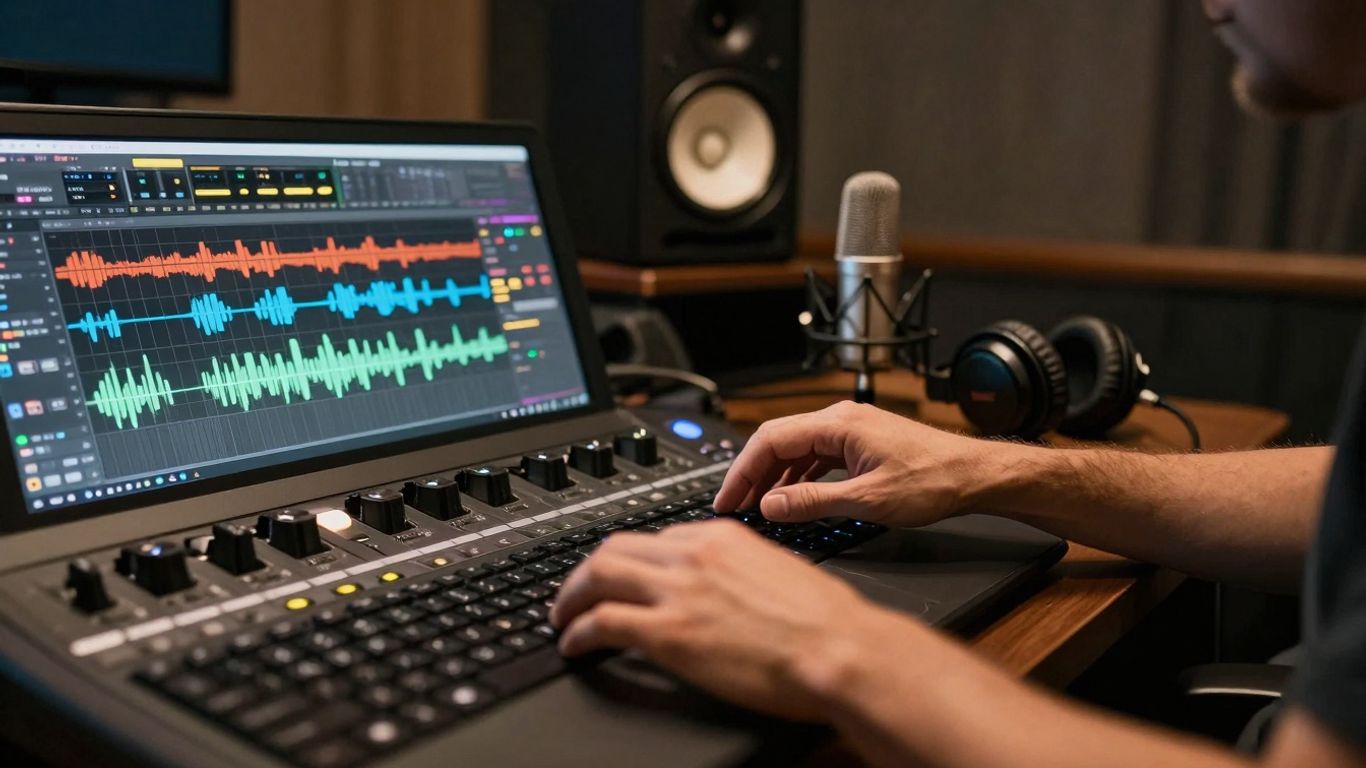
Alright, so you've got some killer beats ready to go. That's awesome! But just having great music isn't always enough to get artists to hit that 'buy' button. You gotta make your offers so good, so tempting, that they can't say no. Think of it like putting together a super-deal package that solves an artist's problems before they even know they have them.
Bundle Up! Buy More, Save More Magic
Who doesn't love a good deal? Bundling your beats is like giving artists a high-five and a discount all at once. It’s a fantastic way to encourage them to grab more of your work. You could try a classic "buy two leases, get one free" kind of deal. Or, get creative and put together themed packs. Got a bunch of smooth R&B vibes? Package 'em up! Maybe a collection of hard-hitting trap beats? Bundle 'em! Selling them as a group for a lower price than if they bought each one separately is a no-brainer for artists looking to stock up.
Bonus Beats and Perks: The Sweeteners Artists Crave
Beyond just the beats themselves, think about what else you can throw in to make your offer extra special. A little something extra can go a long way. Maybe you offer a free bonus track with a certain lease package, or perhaps a discount on their next purchase. It’s all about making the artist feel like they’re getting more bang for their buck. This makes them feel appreciated and more likely to come back.
Add-On Services: Mixing, Mastering, and More!
This is where you can really boost your income and make your offers super attractive. Many artists, especially those just starting out, might not have the best mixing or mastering skills. So, why not offer those as add-ons? You could have a package that includes mixing and mastering for the track they use your beat on. This is a huge convenience for them and a great way for you to earn more. Other ideas include offering custom beat modifications, providing vocal arrangement help, or even offering a discount on exclusive rights if they decide they love the beat that much. The more value you can pack into your offers, the more likely artists are to choose you over someone else.
When you're putting together your offers, always think from the artist's perspective. What are their pain points? What would make their life easier? What would make them feel like they got an amazing deal? Solving those problems and creating that feeling is the secret sauce to irresistible offers.
Building Your Beat Empire: Beyond the Sale
So, you've made some sales, which is awesome! But just selling beats one by one is like trying to fill a bucket with a leaky spoon. To really build something solid, you gotta think bigger. It’s about making sure artists don't just buy from you once, but they keep coming back for more. Think of it like this: you're not just a beat seller, you're building a brand, a go-to spot for dope sounds.
Nurturing Artist Relationships: Your Repeat Business Engine
This is where the real magic happens. When an artist buys a beat, it's not just a transaction; it's the start of a potential relationship. You want them to feel good about their purchase and about you. A happy artist is a returning artist, and they’ll tell their friends too. It’s like that one pizza place you always go to because they remember your order and throw in extra garlic knots.
- Follow Up: After a sale, shoot them a quick message. A simple "Thanks for the lease! Let me know how the track turns out" can go a long way. It shows you care.
- Be Available: Make sure artists can easily reach you if they have questions about their license or want to discuss custom work. Don't make them hunt you down.
- Offer a Little Extra: Sometimes, a small bonus, like a free instrumental version of their leased beat or a discount code for their next purchase, can make a huge difference. It’s the little things that build loyalty.
Building strong connections with artists turns one-time buyers into loyal fans who keep your business humming.
Scaling Up: Analyzing Sales and Expanding Your Offerings
Once you've got a steady flow of sales, it's time to look at the numbers and see what's working. What kind of beats are flying off the shelves? What license types are most popular? Use this info to guide your next moves. Don't just keep making the same stuff if it's not selling.
- Check Your Stats: See which beats get the most plays, leases, or exclusive sales. Double down on those styles or sounds.
- Expand Your Catalog: If your trap beats are killing it, maybe make more trap beats. Or, if you see a gap in the market, try creating something new. Maybe your clients are asking for more R&B vibes? Give 'em what they want!
- Consider New Products: Think beyond just single beat leases. Could you create sample packs, loop kits, or even offer mixing and mastering services for tracks made with your beats? These are all ways to make more money from your skills.
Automate the Grind: Freeing Up Your Creative Flow
Nobody wants to spend all day sending emails and processing payments. That's boring stuff! The goal is to make your beat business run as smoothly as possible so you can get back to what you love: making music.
- Instant Delivery: Use platforms that automatically send the license and files to the artist right after they pay. No manual work for you!
- Payment Processing: Let reliable payment gateways handle all the money stuff. They’re built for this and way more secure than trying to do it yourself.
- Streamlined Storefront: A well-organized website or marketplace profile makes it easy for artists to browse and buy. Less confusion means more sales.
The more you automate the boring stuff, the more time you have to actually create the fire beats that started it all.
Diversify Your Income Streams
So, you've mastered selling beats and licensing them out. Awesome! But why stop there when there's a whole buffet of ways to get your music money flowing? Think of it like this: you've got a killer recipe, and now you're selling the whole cake, slices of cake, and even the secret spice blend. Let's get creative!
Sample Packs and Loop Kits: Selling Your Ingredients
Ever thought about what makes your beats tick? Those unique drum hits, that weird synth texture, that catchy vocal chop? Other producers and creators are always on the hunt for fresh sounds to spice up their own tracks. You can package up your best sounds – think drum kits, synth presets, or even full loop packs – and sell them. Platforms like Splice or Loopmasters are great for this, or you can even sell them directly from your own site. It's like selling the secret sauce that makes your beats so good.
Licensing for Content Creators: The YouTube & Podcast Goldmine
Seriously, everyone needs background music these days. YouTubers, podcasters, streamers, even businesses making explainer videos – they're all looking for royalty-free tracks. Lofi beats, in particular, are super popular for chill study streams or background ambiance. You can get your music onto libraries like Epidemic Sound or Artlist, or even just list tracks on your own site for content creators to license. It's a massive market, and the EDM market is only getting bigger, meaning more content creators will be looking for music.
Live Performances and Merch: Connecting with Your Fans
Don't underestimate the power of a live show, even if it's just you DJing your own beats or performing with artists who use your tracks. Local gigs, online streams, or even virtual concerts can build a real connection with your audience. And when they dig your vibe? They'll want to rep you! Think t-shirts, hoodies, stickers, hats – anything with your logo or artwork. It’s a classic way to turn fans into walking billboards and bring in some extra cash.
Building multiple income streams isn't just about making more money; it's about creating a more stable and resilient music career. When one avenue slows down, others can pick up the slack, giving you the freedom to focus on what you love: making music.
Want to make more money? Think about adding new ways to earn cash. It's like having different jobs that all pay you. This can make your money grow faster and give you more freedom. Ready to explore how? Visit our website to learn more about building your own money-making plans!
So, What's the Takeaway?
Alright, you've officially leveled up your beat leasing game. You know the drill: price 'em right, put 'em out there on the right platforms, and don't be afraid to bundle or offer cool extras. Remember, you're not just selling beats; you're selling your vibe, your sound, your whole creative thing. Keep grinding, keep creating, and soon enough, you'll have artists lining up like they're waiting for the last slice of pizza at a party. Now go make some noise and get those beats leased!
Frequently Asked Questions
What exactly is beat leasing, and why should I care?
Beat leasing is like renting out your music. You let an artist use your beat for their song, but you still own it. They can use it for their project, but you can also lease the same beat to other artists. It's a cool way to make money from your beats without giving them away forever.
Where are the best places to sell my beats online?
You've got some awesome online spots to sell your beats. Places like BeatStars and Airbit are super popular because tons of artists already go there looking for beats. Think of them as big online music malls for producers.
How do I figure out how much to charge for my beats?
Pricing your beats is a mix of things. Think about how good your beat is, how much experience you have, and what other producers are charging for similar sounds. Also, consider what kind of license you're offering – a basic MP3 lease will cost less than giving away exclusive rights.
What's the difference between an MP3 lease, WAV lease, and stems?
An MP3 lease is usually the cheapest and has the lowest sound quality, good for artists just starting. A WAV lease offers better sound quality. Stems, or trackouts, give the artist all the individual parts of the beat, giving them the most control, so they usually cost more.
How can I make my beat offers more appealing to artists?
You can make your offers super attractive by creating special deals! Try bundling beats together, like 'buy two, get one free.' You could also throw in cool extras, like bonus instrumentals or even offer services like mixing and mastering to help artists make their song sound even better.
Besides selling leases, are there other ways to make money with my beats?
Absolutely! You can create and sell sample packs or loop kits, which are like ingredient packs for other producers. You can also license your beats for background music in YouTube videos, podcasts, or even commercials. And if you're into performing, live shows and selling merch can be great too!


