

So, you've heard about ambient trap and you're curious what it's all about? It's a cool blend of atmospheric sounds with the rhythmic backbone of trap music. Think of it as music that makes you feel something while still having that head-nodding beat. If you're looking to add a new vibe to your productions or just want to explore a different sound, you've come to the right place. We're going to break down what makes ambient trap tick and how you can start making your own.
Key Takeaways
- Ambient trap mixes spacious, atmospheric sounds with trap's signature beats.
- It creates a mood, often evoking feelings from calm to melancholic.
- Key elements include lush pads, reverb, delay, and subtle percussion.
- You can build your own ambient trap tracks using ethereal melodies and a solid trap rhythm.
- Exploring artists and sample packs can give you inspiration for your own ambient trap creations.
Unveiling the Ethereal: What Exactly Is Ambient Trap?

So, you've heard the term 'ambient trap' thrown around, maybe in a playlist title or a producer's bio, and you're wondering what the heck it is. Is it trap music that's suddenly taken up meditation? Kind of, but way cooler.
The Sonic Landscape of Ambient Trap
Imagine the heavy, booming 808s and crisp hi-hats of trap music, but instead of being in your face, they're floating in this vast, dreamy space. That's ambient trap. It takes the rhythmic foundation of trap – those signature hi-hat rolls, the deep kicks, the snare patterns – and wraps it in layers of atmospheric synths, ethereal pads, and spacious reverb. It's like the difference between a loud party and a chill, late-night drive with the windows down. You still feel the energy, but it's more about the mood and the feeling.
Beyond the Boom Bap: A Genre Evolution
Think of it as a chill-out session for trap. Traditional trap is all about aggression, hype, and raw energy. Ambient trap takes that energy and mellows it out, adding a layer of introspection and moodiness. It’s not about shouting; it’s about whispering secrets in a huge, echoing hall. This style often borrows from genres like ambient electronic, chillwave, and even lo-fi hip-hop, blending them into something fresh and unique. It’s a genre that’s grown out of the desire to create something more textured and less in-your-face than its predecessors.
Why 'Ambient Trap' is Your Next Obsession
If you're looking for music that can soundtrack a late-night coding session, a thoughtful walk, or just a moment of quiet reflection, ambient trap is your jam. It’s got the rhythmic pulse to keep you moving but the atmospheric depth to let your mind wander. It’s the perfect blend of grit and grace, making it super versatile. Plus, it’s a fantastic playground for producers who want to experiment with sound design and create something truly unique. It’s the kind of music that feels both familiar and completely new, and that’s a pretty addictive combination.
Crafting Your Own Ambient Trap Masterpiece
Alright, so you're ready to get your hands dirty and actually make some of this ambient trap magic yourself? Awesome! It's not as complicated as it might sound, honestly. Think of it like building with LEGOs, but instead of plastic bricks, you've got sounds. Let's break down how you can start putting your own tracks together.
The Foundation: Ethereal Melodies and Pads
This is where the 'ambient' part really kicks in. You want sounds that feel like they're floating, like a dream you can't quite remember. Think soft, sustained synth pads that wash over everything. They don't need to be complex; sometimes a simple, evolving chord progression is all you need. Don't be afraid to experiment with presets in your synth plugins, but also try tweaking them. Messing with the attack and release times on your pads can make a huge difference. A slow attack means the sound fades in gently, which is perfect for that dreamy vibe. You can also layer multiple pads to create a richer, more complex texture.
- Start with a simple chord progression: Think minor keys or suspended chords for that melancholic or introspective feel.
- Experiment with synth parameters: Play with filter cutoff, resonance, and LFOs to make the pads move and breathe.
- Consider using wavetable or granular synths: These can create really unique, evolving textures that are hard to get with basic synths.
Rhythm and Flow: The Trap Beat Backbone
Now, we need to add that trap flavor. This means bringing in the drums, but we're not going for aggressive, in-your-face beats here. The hi-hats can be intricate and fast, like usual, but maybe dial back the velocity a bit to make them feel less sharp. The snare and clap should still hit, but perhaps with a bit more reverb to blend them into the atmosphere. And of course, the 808s. They're still important for that low-end rumble, but you can make them smoother, less distorted, and let them ring out a bit more. The key is to make the rhythm feel hypnotic rather than jarring.
Here’s a basic breakdown of a trap beat structure you can adapt:
| Element | Typical Pattern | Ambient Trap Twist |
|---|---|---|
| Kick | On 1 and sometimes the 'and' of 2 | Softer, less prominent, maybe sidechained to 808s |
| Snare/Clap | On 2 and 4, often with rolls | Softer, more reverb, less frequent rolls |
| Hi-Hats | Fast, intricate patterns, triplets, rolls | Still intricate, but maybe slightly less aggressive velocity |
| 808 Bass | Heavy, distorted, often with slides | Smoother, less distortion, longer sustain, more melodic |
Atmospheric Textures: Adding Depth and Space
This is where you really make your track sound big and airy. Think about adding subtle elements that fill the gaps and create a sense of space. This could be anything from reversed cymbals and airy vocal chops to field recordings or even just noise layers. Reverb and delay are your absolute best friends here. Don't be shy with them! Use long reverb tails on your pads and melodies to make them sound distant and dreamy. Ping-pong delays on synths or even percussion can add a sense of movement and width. You can also try pitching down vocal samples or reversing them to create eerie, atmospheric textures. It’s all about creating a sonic environment that pulls the listener in.
Don't be afraid to get weird with your sound design. Sometimes the best ambient textures come from happy accidents or processing sounds in ways they weren't originally intended. Think about taking a simple synth sound and running it through a granular delay or a complex reverb chain. You might be surprised by what you create.
Key Ingredients for That Signature Ambient Vibe
Alright, so you've got your ethereal melodies and that solid trap beat foundation. Now, how do you make it sound like it's floating in space, or maybe chilling in a misty forest? It's all about the textures and the space you create. Think of it like adding the perfect spices to a meal – too much of one thing, and it's ruined, but just the right amount, and BAM! Magic.
Reverb and Delay: Your New Best Friends
These two are non-negotiable. Reverb is like the room you're in – do you want a tiny closet sound or a massive cathedral echo? For ambient trap, you're usually going for the latter. Long, lush reverbs that make your sounds swim around are key. Don't be shy with them, but also don't just crank them up to eleven without thinking. You want space, not mud.
Delay is your echo. It can add rhythmic interest, create a sense of movement, or just make a single note feel like a whole phrase. Try ping-pong delays for a stereo width that feels like sounds are bouncing between your ears. Or maybe a dotted eighth note delay to give your melodies a subtle, hypnotic pulse. Experimentation is your best friend here.
Lush Pads and Dreamy Synths
This is where the 'ambient' really comes into play. Pads are those big, sustained synth sounds that fill out the background. Think warm, evolving textures that wash over your track. They don't need to be complex; sometimes a simple, filtered sound with a slow attack and release is all you need. You can get these from synths, or even by heavily processing other sounds.
Dreamy synths can be anything from shimmering arpeggios to soft, plucked sounds. The goal is to add melodic or harmonic interest without being too in-your-face. Think about sounds that feel a bit distant, maybe a little detuned, or processed with chorus and phaser to give them that swirling, ethereal quality. It's about creating a mood, not a lead melody.
Subtle Percussion for a Hypnotic Groove
Okay, so you've got your trap hi-hats and your 808s, but for ambient trap, you might want to dial back the aggression a bit. Instead of super sharp, in-your-face snares, try softer, more processed hits. Maybe a clap with a long reverb tail, or a rimshot that sounds like it's coming from another room. The kick can still be punchy, but maybe not as dominant as in traditional trap.
Consider adding shakers, light cymbal washes, or even foley sounds to your percussion. These subtle elements can add texture and movement without overpowering the atmospheric vibe. The key is groove that feels more like a gentle sway than a head-nodding banger. It should support the mood, not fight it.
Remember, ambient trap is about creating a feeling. It's less about aggressive energy and more about atmosphere and emotion. Think of your sounds as colors on a canvas, and use reverb, delay, and texture to paint a sonic landscape that draws the listener in.
Inspiration Station: Artists and Sounds to Explore
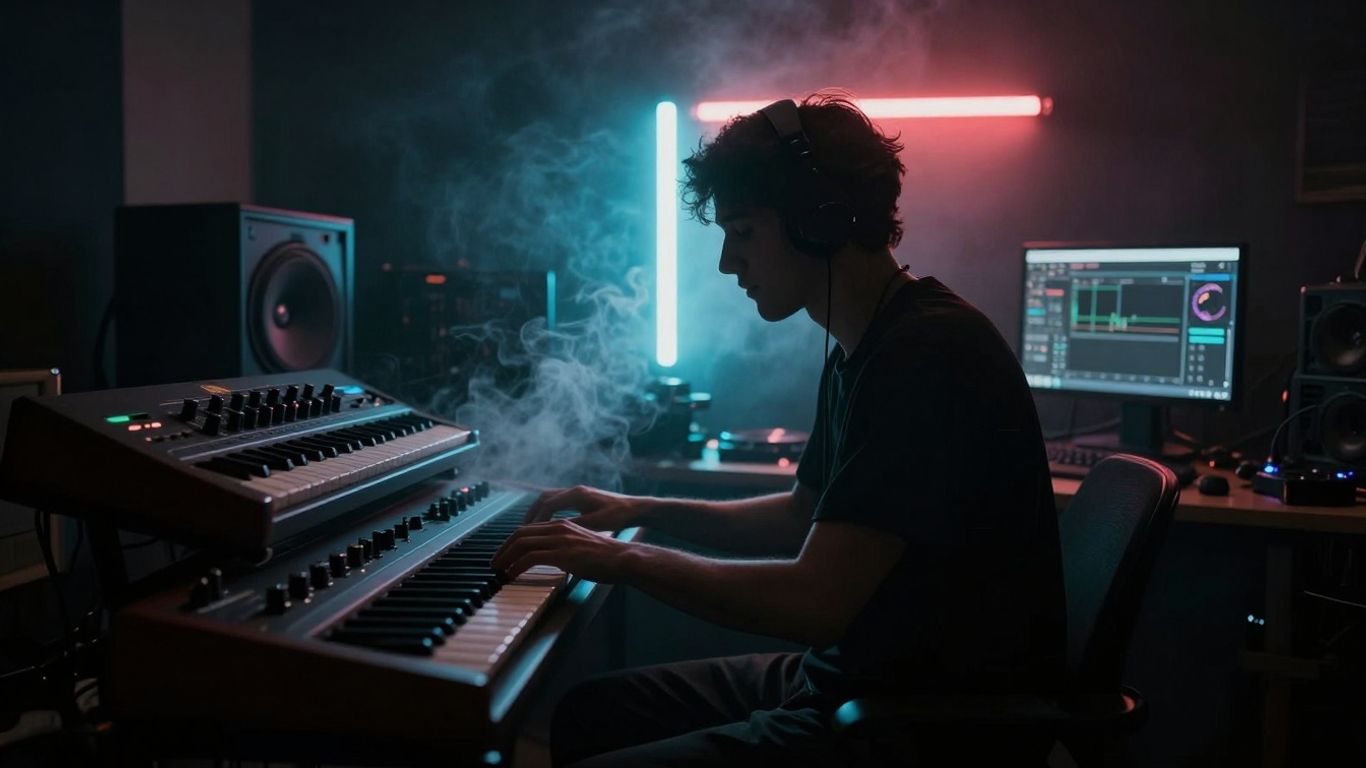
Alright, let's talk about who's doing it right and what sounds are out there to get your creative juices flowing. You've got the tools, you've got the ideas, now you need some fuel. Think of this as your sonic treasure map.
The Pioneers of Ethereal Beats
When we talk about the roots of this sound, you can't ignore the early adopters who started blending those hazy, atmospheric vibes with trap's rhythmic backbone. These artists were experimenting, pushing boundaries, and laying the groundwork for what we hear today. They weren't afraid to get a little weird, and that's what made them stand out. It’s all about that vibe, you know?
- Clams Casino: Seriously, this guy is a legend. His work with A$AP Rocky, especially on tracks like 'Wassup', really set a mood. He’s a master of creating these dreamy, almost surreal soundscapes that just pull you in. His early work is a masterclass in ambient trap textures.
- Yung Lean & Bladee: These guys practically defined a whole aesthetic. Their music, often produced by Whitearmor or Gud, is full of melancholic synths, sparse beats, and a unique vocal delivery that feels both distant and intimate. It’s the kind of stuff that makes you stare out the window on a rainy day.
- Lucki: Another artist who’s been consistently evolving his sound, Lucki’s music often features a lo-fi, hazy quality with introspective lyrics. He’s a great example of how to keep things fresh while staying true to that ambient trap feel.
Modern Masters of the Ambient Trap Sound
Fast forward to today, and the genre is thriving with artists who are taking these foundational elements and pushing them even further. They're incorporating new sounds, playing with structure, and creating truly immersive experiences. It’s exciting to see how the genre continues to evolve.
Here are a few names to check out:
| Artist | Key Characteristics |
|---|---|
| Travis Scott | Grand, cinematic soundscapes, heavy bass, atmospheric |
| Yeat | Futuristic synths, unique vocal effects, energetic |
| FKA twigs | Experimental, avant-garde, electronic, emotional |
| Metro Boomin | Dark, moody, often cinematic, with a trap foundation |
These artists show the breadth of what ambient trap can be. Some lean more into the trap side with ethereal melodies, while others are almost entirely ambient with just a hint of a beat. It’s a spectrum, and there’s room for all of it.
Sample Packs That Will Spark Your Creativity
Sometimes, you just need a starting point, right? Sample packs are your best friend for this. They’re curated collections of sounds designed to give you that specific vibe you’re going for. Think of them as pre-made ingredients for your sonic stew.
Look for packs that emphasize:
- Ethereal Pads & Synths: These are the backbone of the ambient sound. You want lush, evolving textures that create a sense of space.
- Dreamy Melodies: Think plucked synths, bell sounds, or even processed vocal chops that have a melancholic or hypnotic quality.
- Subtle, Textured Percussion: Instead of hard-hitting 808s, you might find softer kicks, intricate hi-hat patterns, and atmospheric percussion loops.
Don't be afraid to dig through different sample libraries. Sometimes the most unexpected sounds can be the ones that inspire your next big track. Look for descriptions that mention artists like Lucki, Bladee, or Clams Casino, as these often point towards the kind of sonic palette you're after.
Exploring these artists and sounds should give you a solid foundation for your own ambient trap creations. Happy digging!
Beyond the Basics: Advanced Ambient Trap Techniques
Vocal Chops and Ethereal Textures
Alright, so you've got your ethereal melodies and your trap beats locked in. Feeling good? Awesome. But what if you want to take it up a notch, make it sound like it’s floating in space or whispering secrets? That’s where vocal chops come in. Think less 'singing along' and more 'chopped-up, processed vocal snippets' that become another instrument. You can pitch them up, down, reverse them, add a ton of reverb and delay – basically, treat them like any other synth pad or melody. The goal is to make the vocals feel like part of the atmosphere, not the main event. It’s about creating these little vocal textures that add a human, yet otherworldly, feel to your track. Try taking a single word or a short phrase and stretching it out, or creating a rhythmic pattern with very short stabs. It’s a bit like sonic origami; you’re folding and shaping the sound until it fits your vibe.
Cinematic Elements for Dramatic Flair
Want your ambient trap to feel like the soundtrack to a movie you haven't seen yet? You gotta think cinematically. This means adding elements that build tension, create a sense of scale, or just make the listener feel something big. Think sweeping orchestral pads (even if they’re synth-based), deep, resonant bass tones that rumble in your chest, or even subtle sound effects that suggest a scene.
Here are a few ideas:
- Build-ups and Drops: Not your typical EDM drops, but more subtle shifts in intensity. Maybe a section where the beat drops out entirely, leaving just a massive pad and a distant vocal chop, before slowly bringing elements back in.
- Layering: Stack multiple synth layers, each with a different character. A warm pad, a shimmering lead, and a gritty texture can create a really rich soundscape.
- Dynamic Range: Don't be afraid of quiet moments. The contrast between silence and a huge sound can be super effective.
Experimenting with Sound Design
This is where things get really fun, and honestly, a little weird. Sound design is all about creating unique sounds that nobody else has. Forget just using presets; start messing with your synths, samplers, and effects.
Consider these techniques:
- Granular Synthesis: This is like taking a sound and chopping it into tiny grains, then rearranging them. It can create really abstract, evolving textures that are perfect for ambient trap.
- Creative Reverb and Delay: Don't just slap on a standard reverb. Try using very long decay times, or modulating the reverb itself. Ping-pong delays can add a sense of width and movement.
- Resampling: Record a sound, then process it heavily, then record that sound, and process it again. You can take a simple synth note and turn it into something completely unrecognizable and awesome.
Remember, ambient trap is all about creating a mood. If you're not experimenting, you're probably not pushing the boundaries. Don't be afraid to break things and see what cool accidents happen. That's often where the magic lies.
The Emotional Core: Connecting with Your Audience
Evoking Moods: From Melancholy to Euphoria
So, you've got your ethereal melodies and those trap beats locked in. Awesome! But what's the point if your track doesn't make someone feel something? Ambient trap is all about that vibe, that mood. Think about what you want your listener to experience. Are you going for that late-night, introspective melancholy? Or maybe a soaring, almost euphoric feeling that lifts them up?
It's not just about sounding cool; it's about painting a picture with sound. You can use those lush pads and subtle synths to create a sense of longing or peace. A slightly detuned piano or a reversed vocal chop can instantly bring in a touch of sadness. On the flip side, brighter synth tones and a more driving, yet still atmospheric, beat can push towards that euphoric energy. Don't be afraid to experiment with different sonic palettes to see what emotional reactions you get.
Storytelling Through Soundscapes
Your ambient trap track can tell a story without a single word. Imagine a journey: maybe it starts in a dark, rainy city street (think moody pads and distant, echoing percussion) and then opens up to a vast, starry sky (brighter synths, more open reverb). You're the director, and your sounds are the actors and the scenery.
Consider these elements for narrative:
- Introduction: Set the scene with atmospheric textures and a slow-building melody.
- Development: Introduce rhythmic elements and perhaps a more defined melodic hook, creating tension or movement.
- Climax/Resolution: Bring in more layers, perhaps a soaring synth line or a more impactful beat, before fading back into the atmosphere.
- Outro: Leave the listener with a lingering feeling, a final thought, or a sense of peace.
Making Your Ambient Trap Truly Resonate
To make your music stick with people, you need to tap into something real. It's about creating a space where listeners can project their own feelings and experiences. That's the magic of ambient trap – it's a canvas for emotion.
Think about the artists who do this well. They don't just make beats; they craft worlds. They use space, dynamics, and carefully chosen sounds to create an immersive experience. Your goal is to create something that feels personal, even if it's instrumental. When someone listens to your track and it perfectly captures how they're feeling, or takes them to a place they needed to go, that's when you've really connected.
To truly connect with your listeners, you need to tap into their feelings. Think about what makes them tick, what makes them happy, sad, or excited. When your music speaks to their emotions, they'll feel a real bond with you. Want to learn how to make beats that hit right in the feels? Check out our website for tips and tricks!
So, What's the Takeaway?
Alright, so you've dipped your toes into the world of ambient trap. Pretty cool, right? It’s like finding that perfect chill spot in the middle of a wild party. You can take these sounds and twist them into something totally your own. Don't be afraid to mess around, layer things up, and see what weird and wonderful beats you can cook up. Remember, it's all about that vibe. Go forth and create something that makes you feel something, even if it's just a weird urge to stare at the ceiling for a while. Happy beat-making!
Frequently Asked Questions
What makes ambient trap different from regular trap music?
Think of regular trap as having a strong, in-your-face beat. Ambient trap is more like that beat chilling in a big, echoey room. It uses softer sounds, lots of space, and effects like reverb to create a dreamy, atmospheric vibe. The beats are still there, but they're more subtle, letting the mood take center stage.
What kind of sounds should I use for ambient trap melodies?
You'll want to play with sounds that feel floaty and spacious. Think about using soft synth pads that sound like clouds, or maybe some gentle piano or guitar melodies with a lot of echo. The goal is to create a soundscape that feels vast and a little mysterious, not sharp or aggressive.
How do I make my beats sound 'ambient'?
It's all about the vibe! Instead of super punchy drums, try using lighter percussion or even just the tail end of sounds with a lot of reverb. You can also slow down your drum patterns a bit and add effects like delay to make them feel more spread out and less in-your-face. Don't be afraid of silence; it's a key part of the ambient feel.
What are some good effects to use for ambient trap?
Reverb and delay are your best friends here! Use lots of reverb to make sounds feel like they're in a huge space. Delay can add rhythmic echoes that create a sense of movement. You might also experiment with phasers or flangers to give sounds a swirling, dreamy quality.
Can you give me examples of artists who make ambient trap?
Some artists you might want to check out include Lucki, who often blends trap beats with a hazy, atmospheric sound. Others like Bladee and Yung Lean also explore similar vibes in their music, often mixing electronic elements with a more laid-back, dreamy feel. Exploring playlists with 'cloud rap' or 'ethereal trap' can also lead you to cool sounds.
How can I make my ambient trap tracks more emotional?
Focus on the feeling you want to create. Do you want it to feel sad, hopeful, or maybe a bit nostalgic? Use melodies and chord progressions that match that emotion. Adding subtle vocal chops or atmospheric textures can also help tell a story and connect with whoever is listening.