

So, you've been hearing a lot about 'unlimited beats' and it sounds like the perfect deal for your music. Who wouldn't want unlimited rights to a killer track without paying a fortune? But like most things in the music world, there's usually more to the story than meets the eye. Let's break down what this 'unlimited' tag really means for you and your music.
Key Takeaways
- Unlimited leases give you lots of freedom to use a beat, like unlimited streams and sales, but you don't actually own it. The producer still does.
- You might think 'unlimited' means you're the only one, but often, many other artists can get the same unlimited license for the same beat.
- The rights you get with an unlimited lease are usually the same as with exclusive rights, meaning you can use it a lot, but you're not the sole owner.
- Unlimited leases are cheaper than buying exclusive rights, making them a good option if you want broad usage but can't afford to own the beat outright.
- Always check the fine print for things like file quality (MP3 vs. WAV) and if track stems are included, as these details can impact your final song.
Unpacking The "Unlimited" Beat Buzz
So, you've heard the term "unlimited beats" thrown around, and it sounds like a sweet deal, right? Like a never-ending buffet of bangers for your next track. But hold up, before you dive headfirst into a sea of beats, let's unpack what this "unlimited" actually means. It's not quite as simple as it sounds, and understanding the nitty-gritty can save you a whole lot of headaches down the line.
What Does "Unlimited" Actually Mean?
When a producer offers an "unlimited lease" on a beat, it's basically a fancy way of saying you get to use it as much as you want. Think unlimited streams, unlimited downloads, unlimited music videos – the whole nine yards. You can crank out as many songs as your heart desires with that specific beat. It's like getting a lifetime pass to your favorite amusement park, but for music. However, and this is the big 'however,' you're not the only one with that pass. The producer can, and often will, lease that same beat to countless other artists. So, while your usage is unlimited, your exclusivity is pretty much zero. It's a bit like showing up to a party and finding out everyone else got the same invitation to wear the same outfit.
The Producer's Perspective: Still Owning The Masterpiece
From the producer's side of things, "unlimited" is a smart business move. They get to keep ownership of their creation, which is totally fair. They're not selling you the beat; they're selling you permission to use it, over and over. This means they can continue to earn from that same beat from multiple artists. It's a way to maximize their income without giving away the farm. They're essentially saying, "You can play with my toy as much as you want, but it's still my toy."
Is It Really Unlimited, Or Just A Clever Marketing Ploy?
This is where things get a little murky. While the usage rights are indeed unlimited for you, the term itself can feel a bit like a marketing gimmick. It sounds amazing, but the reality is that you're sharing the sonic space with potentially hundreds, if not thousands, of other artists. Imagine releasing your next big hit, only to hear a similar-sounding track by another artist blowing up on the charts using the exact same beat. It's a possibility you have to consider. It's not quite the "one of a kind" track you might have envisioned. You might find yourself wanting to explore some of the underrated hip-hop records out there for truly unique sounds.
The Perks: Why "Unlimited Beats" Sound So Sweet
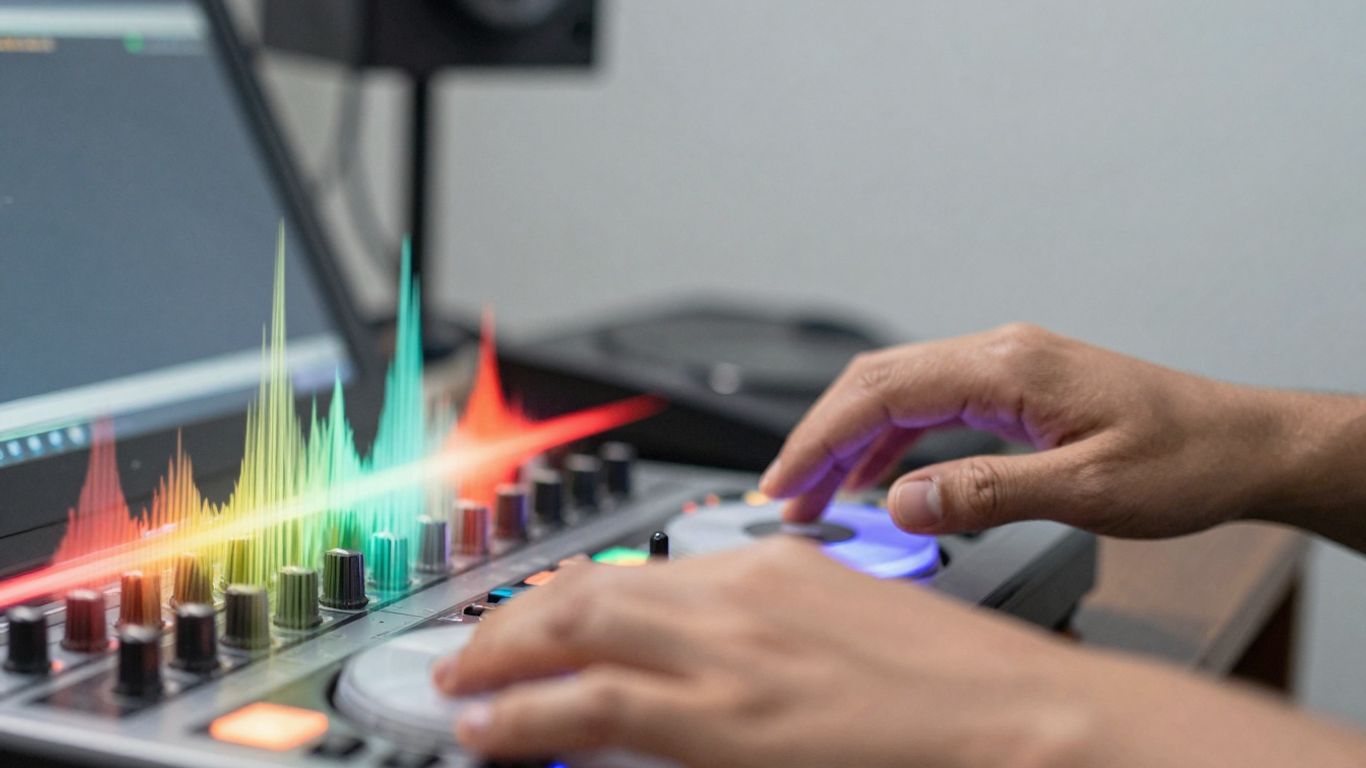
So, you've stumbled upon the magical phrase "unlimited beats" and your ears perked up. Makes sense! It sounds like a golden ticket to music-making freedom, right? And honestly, for the most part, it kind of is. Let's break down why this deal sounds so darn good.
Unlimited Rights: Go Wild With Your Creations!
This is the big one, folks. When you snag an "unlimited" beat, you're basically getting the green light to use it as much as your heart desires. Think unlimited streams on Spotify and Apple Music, no cap on how many copies you can sell (digital or physical), and you can even shoot as many music videos as you want. It’s like having a blank canvas with no time limit. You can really go all out with your music without constantly checking a usage meter. This is a huge deal compared to basic leases that often have strict limits on streams or sales, forcing you to upgrade if your song actually takes off. With an unlimited license, you avoid that whole headache. It's a fantastic way to get started and grow your music without worrying about hitting a paywall just as things get interesting. You can explore different creative avenues and really push your sound without financial penalties looming over you. It's all about giving you the freedom to create and distribute your art without artificial boundaries. This kind of freedom is what many artists dream of when they're just starting out or looking to expand their reach. It's a significant step up from limited licenses, offering peace of mind and the ability to focus on what matters: making great music. You can even use it for paid performances, which is a nice bonus if you're planning on hitting the stage. It's a pretty sweet deal for anyone serious about getting their music out there. You can find more about these types of licenses on subscription beat licensing sites.
Quality Files: Studio-Sounding Tracks Without The Studio Price Tag
Forget grainy MP3s that sound like they were recorded on a tin can. Most "unlimited" beat packages come loaded with high-quality files. We're talking pristine WAV files and often, the track stems too. What are stems, you ask? Think of them as the individual building blocks of the beat – the drums, the bass, the melody, all separate. This is gold for mixing and mastering. It means you or your engineer can tweak each element to perfection, getting that polished, professional sound without needing to book expensive studio time. It’s like getting the keys to a pro studio, but you only pay for the beat. This level of file quality is usually reserved for much pricier exclusive rights, so getting it with an unlimited lease is a serious steal. You get the sonic quality you need to compete, all within a more accessible price point. It really bridges the gap between hobbyist and professional production. Having access to stems allows for incredible flexibility in post-production, letting you really tailor the mix to your vocals and overall vision. It’s a game-changer for independent artists who want their tracks to sound as good as anything on the radio.
Cheaper Than Gold: A Budget-Friendly Path To Your Dreams
Let's be real, exclusive rights to a killer beat can cost a pretty penny. We're talking hundreds, sometimes thousands, of dollars. "Unlimited" leases, on the other hand, are significantly more affordable. They offer a way to get those amazing, unrestricted rights without emptying your bank account. This makes them a super attractive option for artists who are just starting out, have a tight budget, or simply want to build a catalog of music without breaking the bank. It’s a smart financial move that lets you invest in your music without taking on massive debt. You get the freedom and quality you need at a price that makes sense for your current situation. It's a practical solution for artists who are passionate and driven but might not have the deep pockets of a major label artist. This accessibility is what fuels so many independent music careers today. It allows creativity to flourish even when financial resources are limited. You can acquire multiple beats and build a diverse sound library without the prohibitive cost of exclusivity for every single track. It's about making your musical aspirations achievable.
The Catch: When "Unlimited" Gets Crowded
So, you've snagged an "unlimited" beat, feeling like you've hit the jackpot. You can use it as much as you want, right? Well, mostly. But here's where things can get a little… crowded. Imagine throwing a killer party, but then realizing half the neighborhood decided to show up with the same invitation.
Sharing Is Caring? Not When It's Your Hit Song!
This is the big one. When you get an unlimited lease, you're not the only one who can grab that beat. Producers often sell the same unlimited license to tons of other artists. This means your potential smash hit could sound eerily similar to someone else's track. Think about it: you pour your heart and soul into a song, it starts getting some buzz, and then BAM! Someone else's version pops up on the radio or a major playlist. It’s like showing up to a talent show with the same song as the person before you. Not ideal, right?
The "Exclusivity" Illusion: Can Someone Else Steal Your Thunder?
It's easy to think "unlimited" means you're the sole owner of that sound. But that's usually not the case. While you get unlimited usage rights, you don't get exclusive ownership. This means another artist could lease the exact same beat, even after you've made it big with it. It's a bit of a gamble. You might be hoping for that big break, but there's always a chance someone else could be using the same musical foundation. It's not quite the same as getting exclusive rights to a track, where you're the only one who can use it.
When Your Beat Becomes A Blockbuster (For Everyone Else)
Let's say your song with that "unlimited" beat goes viral. Awesome! But what happens when other artists who leased the same beat also start gaining traction? Suddenly, that unique sound you thought you had is everywhere. It can dilute your brand and make it harder for fans to connect with your specific artistic identity. It's a tough pill to swallow when the beat that launched your career becomes a common background track for a dozen other aspiring musicians. You might need to think about upgrading to a truly exclusive license if you want to stand out.
Unlimited Lease vs. Exclusive Rights: The Ultimate Showdown
Alright, let's talk about the big leagues: Unlimited Lease versus Exclusive Rights. You've found that perfect beat, the one that just clicks with your vibe. Now comes the decision: do you go for the unlimited lease, or is it time to drop some serious cash on exclusivity? It can feel like choosing between a buffet and a Michelin-star meal – both feed you, but in very different ways.
Identical Usage Rights: What's The Real Difference?
Here's the kicker: when it comes to using the beat, both an unlimited lease and exclusive rights often give you the same green light. Think about it. With either option, you're usually free to:
- Upload your track to Spotify, Apple Music, and all those other streaming platforms without hitting a ceiling.
- Sell as many digital downloads or physical copies as you want.
- Perform your song live, shoot music videos, and generally go wild with your creation.
The core usage permissions are surprisingly similar, which can make the choice a bit tricky. It’s like buying a car – you can drive it anywhere, but who owns it is a whole other story.
Ownership: The King's Ransom Or A Smart Investment?
This is where things really diverge. With an unlimited lease, you're essentially renting the beat. The producer still owns it, and they can, and often will, lease that same beat to a gazillion other artists. It's like everyone in the neighborhood getting the same cool toy. You can play with it all you want, but it's not yours.
Buying exclusive rights, on the other hand, means you're buying the whole darn thing. The producer pulls that beat from their store, and poof! It's gone for everyone else. You own it. It's your unique sonic signature. This is the path for artists who are serious about making a statement and don't want their banger sounding like a generic jingle played everywhere.
If you're aiming for that chart-topping hit and can't imagine anyone else rocking the same beat, exclusivity is your golden ticket. It's about owning your sound, not just borrowing it.
The Price Tag: Breaking The Bank Or Saving For A Rainy Day?
Let's get real: money talks. Unlimited leases are almost always significantly cheaper than buying exclusive rights. We're talking hundreds of dollars difference, sometimes even more. An unlimited lease might set you back anywhere from $100 to $200, while exclusive rights can start at $400 and go up into the thousands. It’s a trade-off. You save cash with a lease, but you might end up sharing the spotlight. You spend more on exclusivity, but you get that sweet, sweet peace of mind knowing your track is one-of-a-kind.
So, what's the move? If you're just starting out, testing the waters, or your budget is tighter than a drum, an unlimited lease is a solid choice. You get all the usage rights you need without breaking the bank. But if you've got that burning ambition, that killer track that you know is going to blow up, and you want to ensure it's your sound and your moment? Then shelling out for exclusive rights might just be the smartest investment you ever make.
Beyond The Buzzwords: What To Really Look For
So, you've heard all the hype about "unlimited" beats, and it sounds like a dream come true. But hold up, before you hit that buy button, let's get real. Not all licenses are created equal, and some "unlimited" deals are about as unlimited as your grandma's patience for your questionable life choices. You gotta know what you're actually signing up for.
File Formats: MP3 vs. WAV - Does It Even Matter?
Okay, so you see "MP3" and "WAV" listed. What's the big deal? Think of it like this: an MP3 is like a compressed JPEG of a photo – it's smaller, easier to share, and looks pretty good on your phone. A WAV file, though? That's the original, high-resolution image. It's bigger, but it has all the detail.
- MP3: Good for demos, quick uploads, and when file size is a concern. Usually around 320kbps, which is decent.
- WAV: Studio quality, uncompressed. This is what your mixing engineer will thank you for. It gives them way more wiggle room to make your vocals shine and the beat hit harder.
If you're aiming for that radio-ready sound, investing in WAV files is totally worth it. It’s the difference between a good track and a great one.
Track Stems: The Secret Sauce For Professional Mixing
This is where things get really interesting. Track stems, or trackouts, are basically individual audio files for each part of the beat – the drums, the bass, the melody, everything. Why is this gold? Because it gives your mixing engineer ultimate control.
Imagine your vocals are getting a bit lost in the beat. With stems, your engineer can just turn down the hi-hats a notch without messing with the rest of the track. Or maybe you want those 808s to absolutely shatter speakers? They can boost them specifically. It’s like having all the ingredients separated to cook the perfect meal. If you're serious about your sound, ask about stems. It's a game-changer for getting that polished, professional mix. You can find producers offering these on sites like Beatstars.
Hidden Terms: Dodging The Contractual Landmines
This is the part where you gotta put on your reading glasses, even if it's the most boring thing ever. Producers might have different rules about things you wouldn't even think of.
- Content ID Claims: Some producers register their beats with YouTube's Content ID system. This can lead to copyright claims on your videos, even if you have a license. Always ask how they handle these issues.
- Performance Rights: Can you register your song with PROs like ASCAP or BMI? Some licenses have weird restrictions here.
- Monetization Limits: Not all licenses let you make money everywhere. Check if there are limits on streaming platforms, radio play, or specific regions.
Vague language in a contract is a huge red flag. If it sounds confusing, it probably is. A good producer will make their terms crystal clear so you know exactly what you're getting into. Don't be afraid to ask questions or walk away if something feels off.
Basically, don't just look at the price. Dig into the details. Your future self, the one with the hit song, will thank you.
When Does An "Unlimited" License Make Sense?
So, you're eyeing those "unlimited" beat licenses. They sound pretty sweet, right? Like a golden ticket to music-making freedom without breaking the bank. But when is this kind of deal actually a smart move for you, the artist?
The Rising Star's Secret Weapon
If you're just starting out and building your buzz, an unlimited license can be your best friend. You're not sure if your next track is going to be a viral hit or just a cool demo for your friends. With an unlimited license, you can upload as many songs as you want to streaming platforms, perform them at every open mic night, and even make a few music videos without hitting a usage cap. It's like having a massive playground for your music, all while keeping your budget in check. You get the high-quality files, often including WAVs and stems, which is great for when you eventually want to get serious about mixing. This is your chance to experiment and grow without worrying about ticking clocks or download limits. It's a fantastic way to get your music out there and see what sticks.
When Your Fanbase Is Exploding (But Your Wallet Isn't)
Imagine this: your latest track is suddenly getting way more plays than you expected. Your social media is blowing up, and people are asking for more. This is where an unlimited license really shines. You've already got the rights to distribute your music widely, so you don't have to scramble to upgrade your license or worry about hitting streaming limits. You can keep pushing your music, selling merch, and booking shows without any sudden, expensive surprises. It’s the perfect middle ground between a basic lease with strict limits and a full exclusive rights purchase that might cost more than you're ready to spend right now. You get the freedom to capitalize on your momentum without the hefty price tag of exclusivity. Plus, having access to the track stems means you can get your music sounding super professional, even if you're not ready to pay for a full studio session just yet. This is especially helpful if you're planning on commercial content, as you'll need the proper license for approved music.
Avoiding The Dreaded "Usage Limit" Nightmare
Let's be real, nobody wants to get a notification saying they've exceeded their stream limit on a beat they love. It's a total buzzkill. Unlimited licenses completely remove that stress. You can focus on creating and promoting your music, not on counting every single stream or download. It's about having peace of mind. You're investing in a beat that you connect with, and you want to be able to use it to its fullest potential. If you're planning on releasing multiple singles, an album, or even just want the flexibility to use a beat in different ways (like for a YouTube intro or a podcast segment), an unlimited license offers that security. It's a way to future-proof your music career a little, ensuring that your creative output isn't stifled by technicalities in a contract. You get the best of both worlds: broad usage rights and a price that doesn't make your wallet cry.
Thinking about getting an "unlimited" license for beats? It sounds great, but does it really make sense for you? Sometimes, a simpler license is all you need. We break down when these broad licenses are a good deal and when they might be overkill.
Want to know more about beat licenses? Visit our website to get all the details and find the perfect beat for your next track!
So, What's the Verdict on Unlimited Beats?
Alright, so we've broken down what "unlimited" really means when you're snagging a beat. It's not quite the wild west of music-making you might have imagined, but it's definitely a sweet spot for a lot of artists. You get a ton of freedom, way more than those basic leases, and it won't cost you an arm and a leg like going fully exclusive. Just remember, "unlimited" doesn't mean you're the only one with that fire track. If you can live with that, and you're not planning on dropping the next global smash hit that'll get confused with someone else's banger, then an unlimited lease is probably your jam. Go make some noise!
Frequently Asked Questions
What exactly does 'unlimited usage' mean when you lease a beat?
When you get an 'unlimited' lease for a beat, it basically means you can use it for your song as much as you want. You can put out as many copies as you like, perform it live without limits, and even make music videos. It's like having a free pass to use that beat for your music, but remember, the producer still owns the original beat and can lease it to other artists too.
If I get an unlimited lease, can someone else use the same beat?
Yep, that's the catch! With an unlimited lease, you're not the only one who can use that beat. The producer can lease the same beat to tons of other artists. So, while you have unlimited rights to use it, you might hear other people's songs using the exact same instrumental.
What's the difference between an unlimited lease and buying exclusive rights?
Think of it like this: an unlimited lease is like renting a really nice apartment with tons of freedom, but you don't own it. Exclusive rights are like buying the whole building – it's all yours. When you buy exclusive rights, the producer takes the beat off the market, and no one else can ever use it. This usually costs way more than an unlimited lease.
Are the music files I get with an unlimited lease good quality?
Usually, yes! Unlimited leases often come with high-quality files, like WAV files, which are great for professional mixing. Sometimes you even get 'track stems,' which are the individual parts of the beat (like drums, bass, etc.) all separate. This is much better than just getting a basic MP3, which is what you might get with cheaper leases.
When should I consider getting an unlimited beat lease?
An unlimited lease is a sweet spot for artists who are serious about their music but maybe don't have a huge budget yet. If you're planning to release a lot of music, expect your song to get some plays, and want the freedom to do so without hitting limits, an unlimited lease is a smart move. It's way better than a basic lease with strict caps.
What are some hidden things I should watch out for with beat leases?
Always read the fine print! Some 'unlimited' leases might still have hidden limits on things like streams or sales, or they might have an expiration date. Also, make sure you understand who owns what. You're usually renting the beat, not buying it outright, unless you get exclusive rights. Producers also often get a songwriting credit, which is totally normal.


