
So, you want to be a beatmaker? It's more than just messing around with software. It's a whole way of life, the producer lifestyle, that involves a lot of learning, creating, and sometimes, just figuring things out as you go. You'll be building your own sound, dealing with the digital world, and even figuring out how to make a living from it. It's a journey, for sure, and this guide will walk you through what it's really like.
Key Takeaways
- Figure out your unique sound by moving beyond basic presets and focusing on what feels right to you.
- Learn how to use samples creatively, not just by looping them, but by making them your own.
- Keep your productions simple; sometimes less really is more for impact.
- Understand the tools you need but don't get lost in having too much gear or too many plugins.
- Focus on the business side, like getting your music placed and controlling your own work, to make this a real career.
The Hustle: Embracing the Producer Lifestyle
So, you want to be a beatmaker? Awesome! But let's get real for a second. This isn't just about cool software and making noise in your room (though that's part of the fun). It's a lifestyle, a hustle, and it's way more than just a hobby if you want to make it work.
From Bedroom Dreams to Global Beats
Remember those late nights, headphones on, dreaming of hearing your tracks on the radio or in a club? That's where it all starts. You're probably tinkering away in your bedroom, surrounded by cables and maybe a half-eaten pizza. It feels like a million miles away from the big leagues, right? But guess what? Every single producer you admire started exactly where you are. They had those same bedroom dreams. The key is to keep that fire lit. That initial spark, that passion for sound, is what will push you through the tough times. It’s about turning those late-night sessions into something tangible, something that can actually reach people.
Making a Living, One Beat at a Time
Okay, so how do you actually turn this passion into a paycheck? It's not always straightforward, and it definitely takes more than just making a few dope beats. You've got to think about selling your beats, getting placements, or even producing for other artists. It's a mix of talent, networking, and a bit of business savvy. Don't expect to get rich overnight; it's more like building a career brick by brick. You might start by offering demos for other musicians or even doing session vocals first, building up your skills and your network. It's about finding those opportunities, big or small, and making them count. You can even explore different music jobs and careers to see where your skills might fit.
The Modern Beatmaker's Toolkit
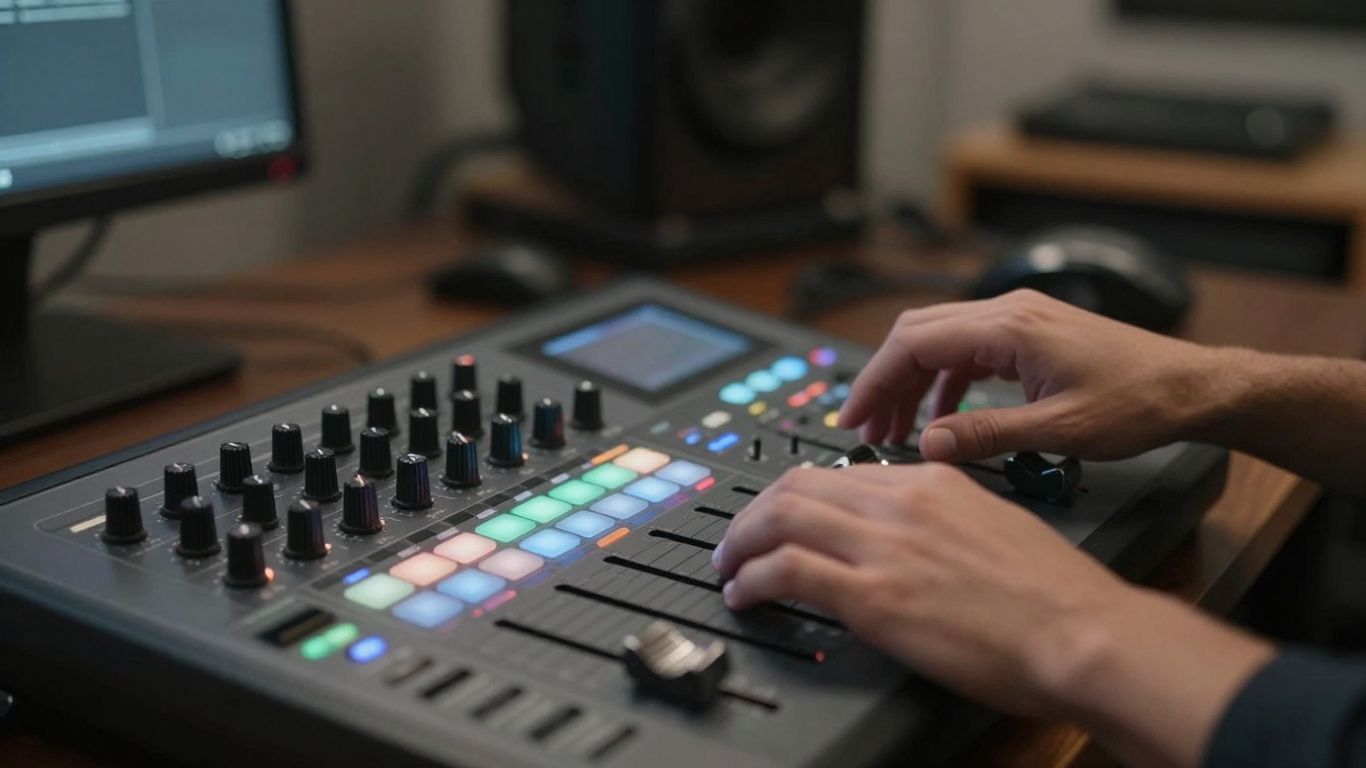
What do you actually need to get started and keep going? Forget the idea that you need a million-dollar studio. Your most important tools are your ears and your brain. Of course, you'll need a computer, a Digital Audio Workstation (DAW) – that's your main software – and some decent headphones or monitors. Beyond that, it's about what you do with them. Think of it like this:
- Your Computer & DAW: This is your canvas and your brushes. Learn it inside and out.
- Sound Libraries: Samples, loops, virtual instruments – these are your colors.
- Your Ears: The most critical piece of gear. Train them to hear details.
- Patience & Persistence: You'll need these more than any piece of hardware.
The journey from a bedroom producer to someone making a living from music is paved with consistent effort and a willingness to learn. It's not always glamorous, but the reward of creating something that moves people is immense.
Don't get bogged down by thinking you need the latest, most expensive gear. Start with what you have, get good at it, and then upgrade strategically. The real magic happens when you combine your creativity with the tools you have available.
Crafting Your Sonic Identity
Alright, let's talk about finding your sound. It’s like trying to pick a favorite pizza topping – everyone’s got one, but yours should be uniquely you. Forget trying to sound exactly like that producer you admire on Instagram. They’ve already done that, and frankly, it’s a bit boring.
Beyond the Preset: Finding Your Unique Sound
Seriously, stop scrolling through endless synth presets. They’re a starting point, sure, but they’re also the musical equivalent of fast fashion. Everyone’s wearing the same thing. Your goal is to take those basic building blocks and twist them into something that screams your name. Think about what makes you tick. Is it the gritty sound of a dusty vinyl crackle? The weird hum of an old refrigerator? Whatever it is, lean into it. Your unique sound comes from your unique experiences and tastes. Don't be afraid to experiment. Mess around with effects, record weird noises around your house, and see what happens. You might stumble upon something gold, or at least something that makes you chuckle.
The Art of the Loop: Soulful Sampling Secrets
Sampling is where the magic really happens for a lot of us. It’s like digging through a crate of old records, but instead of vinyl, you’re digging through… well, anything! Old movies, obscure folk songs, even your own voice memos. The trick isn't just finding a cool snippet; it's about transforming it. Chop it up, reverse it, pitch it down until it sounds like it’s coming from another dimension. Don't just loop it and call it a day. The real artistry is in how you manipulate the sample. Think about it: Damon Albarn used a Casio preset on a hit song. You can take a tiny, forgotten sound and make it the backbone of a banger.
Here’s a quick rundown on sample manipulation:
- Chopping: Break the sample into smaller pieces and rearrange them. It’s like a musical puzzle.
- Pitch Shifting: Change the key or create a whole new melody. Go up, go down, get weird with it.
- Reversing: Sometimes, playing a sample backward reveals a whole new vibe.
- Time Stretching/Compressing: Speed it up or slow it down to change the rhythm and feel.
Less Is More: The Power of Minimalist Production
This might sound counterintuitive when you’ve got a million plugins at your fingertips, but sometimes, the best way to make your beat shine is to strip it back. Overcrowding a track is like inviting too many people to a party – it just gets messy and nobody can hear themselves think. Focus on making each element count. If a sound doesn’t add something special, or if it clashes with the main vibe, consider cutting it. Ask yourself: "Does this track still feel alive if I take out the [insert instrument here]?" If the answer is no, that element might not be ready. A few well-placed, impactful sounds often hit harder than a wall of noise. It forces you to be more creative with what you do include, and it leaves space for the vocals to breathe. Plus, it makes your beats sound way more professional, even if you’re just using a basic setup.
Navigating the Digital Soundscape
Alright, let's talk about the digital jungle you're probably living in. It's a wild place, full of shiny new toys and weird algorithms trying to tell you what's cool. You've got your DAW, your plugins, maybe a fancy controller, and a hard drive that's probably groaning under the weight of unfinished ideas. It's easy to get lost in all the options, right? Like trying to pick a Netflix show for three hours. But don't sweat it. The goal here isn't to have the most expensive setup, it's to make dope beats.
Gear Up, But Don't Get Bogged Down
Look, it's tempting to chase the latest gear. You see some producer with a studio that looks like a spaceship and think, 'That's what I need!' But honestly, most of the time, you don't. Your ears and your brain are your most important tools. Think about it: some of the most iconic sounds were made on pretty basic setups. You can make incredible music with just your laptop and a few trusted plugins. Don't let the gear obsession distract you from actually making music. Focus on what you have and learn it inside and out. It's better to master a few things than to be mediocre at a hundred.
Plugins: Your Digital Paint Palette
Plugins are like your digital paintbrushes, and there are millions of them out there. Some are amazing, some are… well, let's just say they're not going to win any awards. The trick is to find a few that really speak to you and learn how to use them. Don't just slap on a preset and call it a day. Tweak those knobs, experiment with different settings, and see what happens. You might discover a sound that's totally unique to you. It's about using them to color your sound, not letting them define it for you.
AI vs. Artist: The Future of Beatmaking
Okay, so AI is showing up. It can churn out loops and melodies faster than you can blink. It's kind of wild, and yeah, maybe a little unsettling. But here's the thing: AI can follow patterns, but it can't replicate that spark of human creativity. It can't feel the vibe, it can't make that gut decision to mute the hi-hat because it just feels right. That's your superpower. Use AI as a tool if you want, but don't let it replace your own instincts and your own unique perspective. The human touch is what makes music connect.
The digital world is your playground, not your prison. Learn the tools, but never forget that the magic comes from you.
The Beatmaker's Workflow
Alright, let's talk about actually making the magic happen. You've got the ideas buzzing in your head, maybe a killer sample you stumbled upon, or just a random drum pattern that popped into your brain at 3 AM. Now what? This is where the rubber meets the road, turning those sparks into something people can actually nod their head to. It’s not always glamorous, and sometimes it feels like wrestling a greased pig, but getting your track from a rough idea to a finished banger is a whole journey.
From Scratch: Building Blocks of a Banger
So, you're staring at a blank screen. Where do you even begin? Forget trying to build the Taj Mahal on day one. Start simple. Maybe it's just a kick and a snare to get a groove going. Or perhaps you've got a vocal chop that needs a beat to live on. The key is to get something down. Think of it like sketching. You don't need every color and detail right away. Just lay down the basic shapes. Many producers start by recording live drum hits and then chopping them up in their Digital Audio Workstation (DAW). This gives you a raw, human feel that programmed drums sometimes miss. It’s about finding those core elements that make you feel the rhythm, the foundation upon which everything else will be built. Don't be afraid to experiment with different sounds; sometimes the most unexpected combination is the one that clicks. Remember, even Damon Albarn used a Casio preset on a hit song, so don't get too hung up on having the most expensive sounds right out of the gate. The goal is to get that initial spark down and make a beat from scratch [04. Making a Beat from Scratch](04. Making a Beat from Scratch).
Arrangement Alchemy: Making Your Tracks Breathe
Okay, you've got your loop, your drums, maybe a bassline. Now you need to make it a song. This is where arrangement comes in, and honestly, it's more art than science. Think about how you want the listener to feel. Do you want to build tension? Create a moment of release? A good arrangement keeps things interesting without being chaotic. A common mistake is to just loop the same four bars for three minutes. Nobody wants that. You need sections: an intro, verses, choruses, maybe a bridge, and an outro. Try this: what happens if you take out the drums for a few bars? Or just the bass? Sometimes, silence is your best friend. It makes everything else hit harder when it comes back in. Ask yourself, 'Will this still feel alive if the drums vanish?' If the answer is no, the idea isn't quite ready. It’s about making sure every element has a purpose and earns its spot. This is how you make your tracks breathe and keep people hooked.
Mixing Magic: Polishing Your Sonic Gems
This is where you take your raw ingredients and turn them into a polished meal. Mixing is all about balance and clarity. You want everything to sound good together, not like a muddy mess. This involves adjusting levels, panning (where sounds sit in the stereo field), and using effects like EQ and compression. EQ helps carve out space for each instrument so they don't fight each other. Compression can help control dynamics, making things sound more consistent and punchy. It’s a delicate process, and it’s easy to overdo it. Start with the basics: get your levels right first. Proper gain staging is super important before you even think about adding effects. You want to make sure your signals aren't too hot or too weak. A good mix makes your beat sound professional and impactful, ready for the world to hear. Don't be afraid to take breaks; your ears get tired, and what sounds good after an hour might sound terrible after a day. Trust your ears, but also trust your gut. Sometimes, a slightly imperfect mix has more character than a perfectly sterile one. Remember, the goal is to make your music sound as good as possible, whether you're using a simple setup or a complex studio 9a98.
The real trick to a great workflow isn't about having the most expensive gear or the fanciest plugins. It's about developing a process that works for you, one that lets you capture ideas quickly and turn them into finished tracks without losing your mind. It's about knowing when to push forward and when to step back.
Beyond the Beat: The Business of Music
So, you've got the beats, the loops, the whole sonic shebang. Awesome. But what happens when you want to, you know, actually eat? Making music is a passion, sure, but turning that passion into a paycheck is where the real magic (and sometimes, the real headache) happens. Let's talk about getting your tunes out there and making some dough.
Sync Your Sound: Placements in Film and TV
Ever heard a track in a movie or a commercial and thought, "Hey, I could make something like that!"? Well, you can. Getting your music placed in film, TV, commercials, or video games – that's called sync licensing, and it can be a sweet gig. It's not just about getting your music heard; it's about getting paid for it. This is where your beats can actually pay the bills, and it's a fantastic way to get your sound in front of a massive audience. You'll want to understand how to get your music in front of the right people, like music supervisors who are looking for that perfect track. It's a whole world of opportunities waiting for you to explore sync deals.
Monetizing Your Music: From Demos to Deals
Okay, so sync is one way, but what about other avenues? Think about selling beats directly to artists, licensing your tracks for use in online content, or even getting paid for your production skills. Many producers start by making demos for other artists or even doing session work. It's all about finding ways to put your skills to work. You can even build a business right from your home studio, making beats for clients worldwide. It’s not just about making a quick buck; it’s about building a sustainable career.
Here’s a quick look at some income streams:
- Selling Beats: Direct sales or leases to artists.
- Sync Licensing: Placements in media.
- Performance Royalties: When your music is played publicly.
- Sound Packs/Sample Kits: Selling your unique sounds.
- Production Services: Offering your skills to others.
Controlling Your Masters: The Independent Artist's Edge
This is a big one, folks. When you're an independent producer or artist, you have the power to retain ownership of your masters. That means you keep control over your music and, more importantly, a bigger cut of the profits. It’s about being self-sufficient and not having to rely on a label to get your music out there. Learning to produce your own tracks means you're not waiting around for someone else to make your vision a reality. You're in the driver's seat, controlling your sound and your destiny. It’s a game-changer, seriously.
Owning your masters isn't just about pride; it's about financial freedom and creative control. It's the ultimate power move for any modern beatmaker who wants to build a lasting career on their own terms.
The Unseen Grind: Staying Inspired
Okay, so you've got the beats flowing, the samples chopped, and your toolkit is looking sharp. But what happens when the well runs dry? We've all been there, staring at a blank project file, feeling like your creative mojo packed its bags and left town. It's the unseen grind, right? That moment when the pressure to create hits, and suddenly, nothing sounds good. You start second-guessing every sound, every loop, wondering if you've lost it.
Battling the 'Hard Drive Graveyard'
Let's be real, your hard drive is probably a graveyard of unfinished ideas. Tracks started with fire, then fizzled out. Loops that sounded amazing at 3 AM but are cringe-worthy in the morning light. It's easy to get bogged down by these ghosts of beats past. Instead of letting them haunt you, think of them as stepping stones. Maybe that half-finished idea just needs a different tempo, a new bassline, or a completely different vibe. Don't delete them! Just archive them. You never know when a forgotten melody or a weird drum pattern might spark something new.
Trust Your Gut: The Instinctive Producer
This is where you gotta learn to trust yourself. Forget what's trending on TikTok or what the "top producers" are doing. Your unique ear is your superpower. Did a weird, off-key sample suddenly grab you? Use it. Does a simple, stripped-down beat feel more powerful than a complex arrangement? Go with it. It's like that time I spent hours trying to make a synth sound "perfect" for a track, only to realize the raw, slightly detuned sound from an old keyboard was exactly what it needed. Stop overthinking and start feeling the music. If it moves you, chances are it'll move someone else too.
The Existential Dread of the Beatmaker
Yeah, we're going there. That nagging feeling that maybe you're not good enough, that AI will take over, or that you'll never make a living doing this. It's a real thing, and it can paralyze you. When that dread creeps in, take a break. Step away from the computer. Go for a walk, listen to music completely unrelated to what you make, or just do something totally different. Sometimes, the best way to get inspired is to stop trying so hard. Remember why you started making beats in the first place – because it was fun, right? Try to recapture that initial joy.
Here's a quick cheat sheet for when the inspiration well feels a bit dry:
- Listen Widely: Don't just listen to hip-hop. Explore jazz, classical, electronic, world music – anything. You'll be surprised where new ideas come from.
- Change Your Environment: If you always make beats in the same room, try a different spot. Even a coffee shop or a park bench can shift your perspective.
- Collaborate: Working with other artists or producers can bring fresh energy and ideas you wouldn't have thought of alone.
- Set Tiny Goals: Instead of "finish a track," aim for "create one cool drum loop" or "find one interesting sample." Small wins build momentum.
Feeling stuck? It happens to everyone. Sometimes, you just need a little spark to get your creative juices flowing again. Don't let a creative block stop you. Visit our website to discover new sounds and inspiration that will reignite your passion for making music.
So, What's Next?
Alright, you've heard the stories, seen the setups (or lack thereof!), and maybe even felt that little spark of "I could do this." The truth is, making beats isn't some mystical art reserved for a chosen few. It's about messing around, trusting your gut, and not being afraid to sound like you. Forget the fancy gear lists and the endless tutorials that make you feel like you need a degree in engineering. Grab what you've got, mess around, and make something that feels good. Who knows, your next big hit might just come from a weird sound you found on an old video game console. Now go make some noise!
Frequently Asked Questions
How do I start making beats if I'm a beginner?
Don't stress about having the fanciest gear. You can start with just a computer and some free software. The most important thing is to just dive in, experiment, and get a feel for creating sounds. Think of it like learning an instrument – you start with the basics and build from there. Listen to a lot of music, too, and try to figure out what you like about different beats.
What's the deal with plugins and software?
Plugins are like digital tools that add effects or create new sounds in your music software. Think of them as your paint palette for making music. You don't need a million of them to start. Focus on learning a few that you really like and that help you get the sound you want. Many producers stick to a small set of go-to plugins they know inside and out.
How can I make my beats sound unique?
Try not to just copy what everyone else is doing. Play around with sounds, mess with samples in unexpected ways, and don't be afraid to leave space in your tracks. Sometimes, the simplest ideas are the most powerful. Trust your own ear and what feels good to you, even if it's a little different. That's how you'll find your own style.
Is it hard to make a living as a beatmaker?
It can be a hustle, for sure, but it's totally possible. Many producers make a living by selling beats online, getting their music placed in movies or TV shows, or even working with artists directly. It takes time, dedication, and building up your skills and connections. Don't expect overnight success, but keep at it and focus on making great music.
What if I get stuck or lose inspiration?
That happens to everyone! It's easy to get overwhelmed or feel like you're not making progress. When that happens, take a break. Listen to music you love, go for a walk, or just do something completely different for a while. Sometimes stepping away is the best way to come back with fresh ideas. Also, don't be afraid to revisit old projects; you might find something cool you forgot about.
Should I worry about AI taking over beatmaking?
AI can be a tool, but it can't replace genuine human creativity and emotion. AI might be able to copy patterns, but it can't replicate that spark of inspiration or the unique feeling you get when a beat just *hits* you right. Focus on developing your own voice and instincts. Your personal touch and the stories you tell through your music are what will always stand out.