
So, you want to make some trap soul beats? It's a cool genre that blends hard-hitting trap elements with smoother, more soulful vibes. It can seem a bit tricky at first, especially if you're trying to get that specific sound everyone loves. But honestly, it's all about finding your own rhythm and playing around with the sounds. This guide is going to walk you through some ideas to get you started, from setting up your space to making sure your beats sound polished. Let's get into it and make some fire tracks.
Key Takeaways
- Get your digital workspace set up right so you can focus on making music, not fighting your computer.
- Think about your kick and snare sounds – they're the backbone of your trap soul beats.
- 808 bass is super important for that deep, soulful feel, so learn how to make yours hit hard.
- Melodies and chords are where you add the emotion; play around to find sounds that fit your vibe.
- Don't be afraid to try weird sounds or mix in stuff from other music to make your trap soul beats unique.
Setting Up Your Sonic Sanctuary
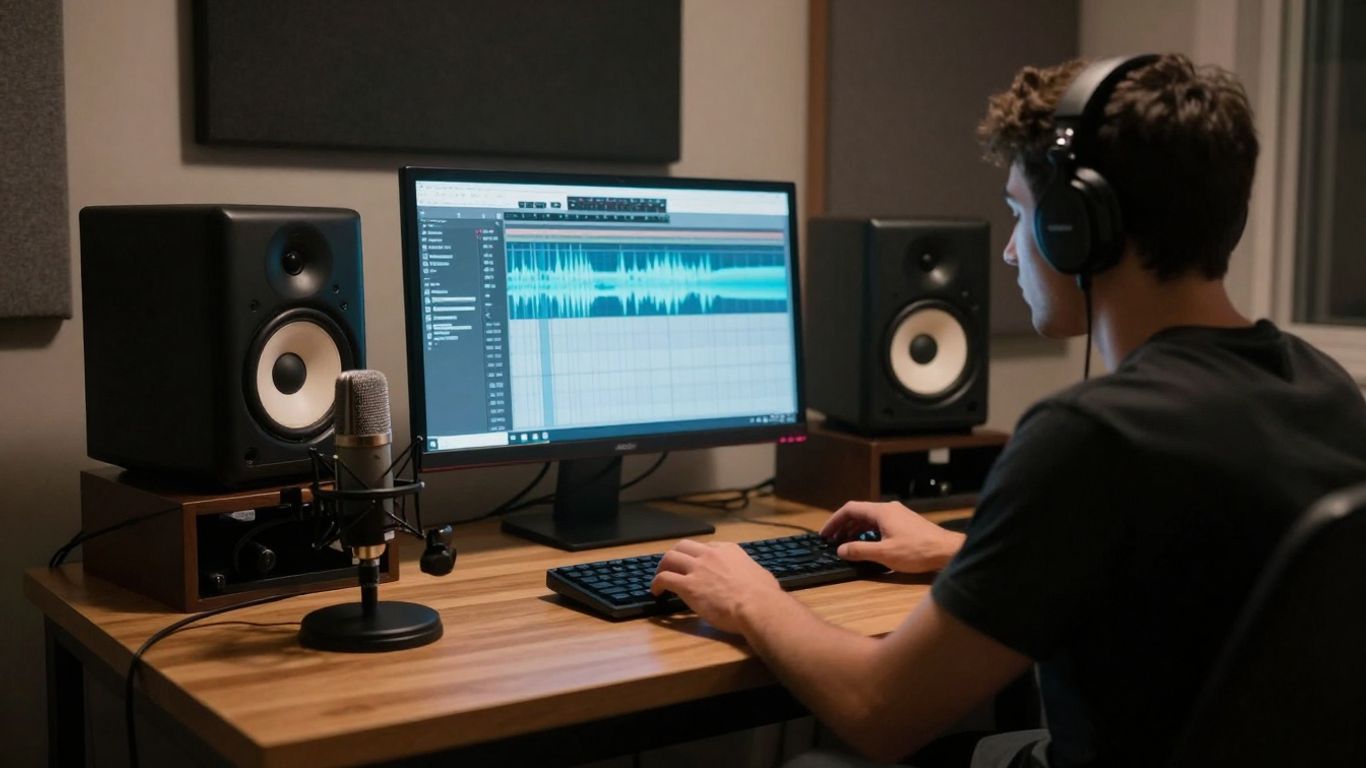
Alright, let's get your creative space dialed in. Think of your Digital Audio Workstation (DAW) as your personal studio – you wouldn't want a messy, disorganized one, right? A clean setup means a clear mind, and that's exactly what you need when inspiration hits like a lightning bolt. We're talking about making your workflow so smooth, you can actually focus on making dope beats instead of hunting for that one sample you know you have somewhere.
Organizing Your Digital Audio Workstation for Maximum Flow
First things first, let's tame that digital beast. Your DAW is your playground, so let's make it a fun one. Start by setting up some basic templates. Got a go-to synth sound or a favorite drum kit? Load it up! This saves you precious minutes when you're feeling that creative surge. Also, get friendly with keyboard shortcuts; they're like secret cheat codes for your software. And please, for the love of all that is groovy, organize your samples. Create folders for kicks, snares, melodies, vocals – whatever makes sense to you. A well-organized DAW is your secret weapon for staying in the zone.
Here’s a quick rundown to get you started:
- Tempo & Bar Length: For that classic Trap Soul feel, try starting with a tempo around 140 BPM (which often feels like 70 BPM when you're working in half-time) and a 16-beat bar length. But hey, don't be afraid to mess with it! Sometimes a slightly faster or slower tempo can completely change the mood.
- Track Labeling: Name your tracks! Seriously, 'Synth 1', 'Kick 808', 'Vocal Chop' – it makes a world of difference when you're deep in a project.
- Color Coding: Assign colors to different instrument groups (drums, synths, vocals, etc.). It’s like a visual cheat sheet that helps you see your arrangement at a glance.
Your workspace should inspire you, not hinder you. Keep it organized, and let your creativity shine through every beat you make.
Choosing the Right Plugins and Samples to Spark Your Soul
Now, let's talk about the goodies – your plugins and samples. These are the ingredients that give your Trap Soul its flavor. Don't just grab the first thing you see. Look for plugins that offer warm, rich sounds. Think analog emulation for synths, and definitely get your hands on some quality sample packs. You want those soulful vocal chops and lush instrumental loops. And don't forget effects! A good reverb or delay can add so much depth and atmosphere. Just remember, subtlety is key; you don't want to drown your sounds in effects. Finding that perfect sound can be a game-changer, so explore different sample libraries and see what sparks your interest.
Tempo and Bar Length: Finding Your Vibe
Tempo and bar length are more than just numbers; they're the pulse of your track. While Trap Soul often lives in a sweet spot, don't feel boxed in. Experimenting with tempo can unlock entirely new feelings for your beats. A slightly slower pace might give you that extra laid-back, smoky vibe, while pushing it a bit faster could add an urgent energy. Think about how you want your listener to feel. Do you want them to chill, or do you want them to move? The tempo is a huge part of that decision. Don't be afraid to try different time signatures or even play with half-time feel within your arrangement. It’s all about finding that sweet spot that makes your track unique.
The Heartbeat of Trap Soul: Drum Patterns That Bang
Alright, let's get down to business. If your trap soul track is going to have any kind of life, it needs a solid drum foundation. This isn't just about slapping some loops together; it's about crafting a rhythm that makes people move, even if they don't know why. Think of your drums as the pulse of your song.
Designing the Perfect Kick and Snare Combo
This is where you set the whole mood. Your kick drum needs to hit hard, but not so hard that it sounds like a brick through a window. You want it to feel substantial, like it's grounding the whole track. Try out a bunch of different kick samples until you find one that just feels right for the vibe you're going for. Then there's the snare. This is your punctuation mark, the thing that cuts through everything else. The classic move is to put it on beats two and four – that's the backbone of most trap soul. But don't stop there. Layering snares is your secret weapon. Grab a sharp, cracking snare and layer it with something a bit more roomy or even a clap. This gives it thickness and character, making it sound less like a stock sound and more like your sound.
Incorporating Hi-Hats for Irresistible Groove
This is where you can really let loose and add that signature bounce. Hi-hats are your groove architects. Forget just straight eighth notes; that's boring. Start playing with rolls, triplets, and even weird little gaps. Try speeding them up in certain sections or throwing in a reversed hat for a surprise. The goal is to create a pattern that feels intricate but still flows. It's like a conversation between the kick and snare – the hats are adding all the little details that make it interesting. Don't be afraid to get a little messy with it; sometimes the off-kilter patterns are the ones that stick.
Adding Percussive Elements for That Extra Flavor
Once your kick, snare, and hats are doing their thing, it's time to add the sprinkles. Think about shakers, tambourines, maybe even some woodblocks or snaps. These aren't meant to be the main event, but they add texture and make the whole rhythm section feel more alive. You can use them to fill in gaps, add a bit of swing, or just create a subtle layer of movement. Sometimes, just a simple shaker pattern running through the whole track can make a huge difference. It's all about adding those little touches that make your beat unique and keep the listener engaged.
The trick with trap soul drums is balance. You want them to be powerful and impactful, but also to leave space for the melodies and vocals to breathe. It's a delicate dance between aggression and soulfulness.
808s: The Soulful Foundation of Your Beats
Alright, let's talk about the real stars of the show in Trap Soul: the 808s. These aren't just bass sounds; they're the deep, rumbling soul that makes your track feel alive and gives it that signature weight. Think of them as the heartbeat, the thing that makes people nod their heads without even thinking about it.
Understanding the Essential Role of 808s
Seriously, you can't make Trap Soul without a killer 808. It's what gives your beats that low-end punch and that emotional depth. It's not just about making noise; it's about creating a feeling. You want that sound to fill up the space and make the listener feel it in their chest. Experimenting with different 808 samples is your first step. Some are clean and pure, others have a bit of grit already built-in. Find one that speaks to you and the vibe of your track. Don't be afraid to play with the pitch, too – a slightly detuned 808 can add a whole lot of character.
Layering 808s for Unrivaled Depth
Just using one 808 sound can sometimes feel a little thin, right? That's where layering comes in. It's like adding extra layers to a painting to make it richer. You can take a clean 808 and layer it with a pure sine wave sub-bass to really beef up those super low frequencies. Then, maybe add another bass sound that fills out the mid-range. This combo gives you a bassline that's both massive and clear. Just remember, don't go too crazy. Too many layers can turn into a muddy mess faster than you can say "808 Mafia". Keep it tight and focused.
Here’s a quick way to think about layering:
- Foundation: Your main 808 sample.
- Sub-Bass: A sine wave for pure low-end rumble.
- Mid-Range Fill: Another bass sound to add presence.
Using Distortion and Effects for Maximum Impact
Now, let's talk about making those 808s really cut through the mix. Distortion is your best friend here. A little bit of grit can make a basic 808 sound way more interesting and help it stand out, especially on smaller speakers. You can use saturation, overdrive, or even fuzz – whatever gets you that vibe. EQ is also super important. You'll probably want to cut out some of the super low mud and maybe boost the mids a bit to give it some bite. Don't be afraid to try out different distortion plugins; finding the right one can make a huge difference. It’s all about adding that character and making your 808s unforgettable.
Crafting Melodies and Chords That Resonate
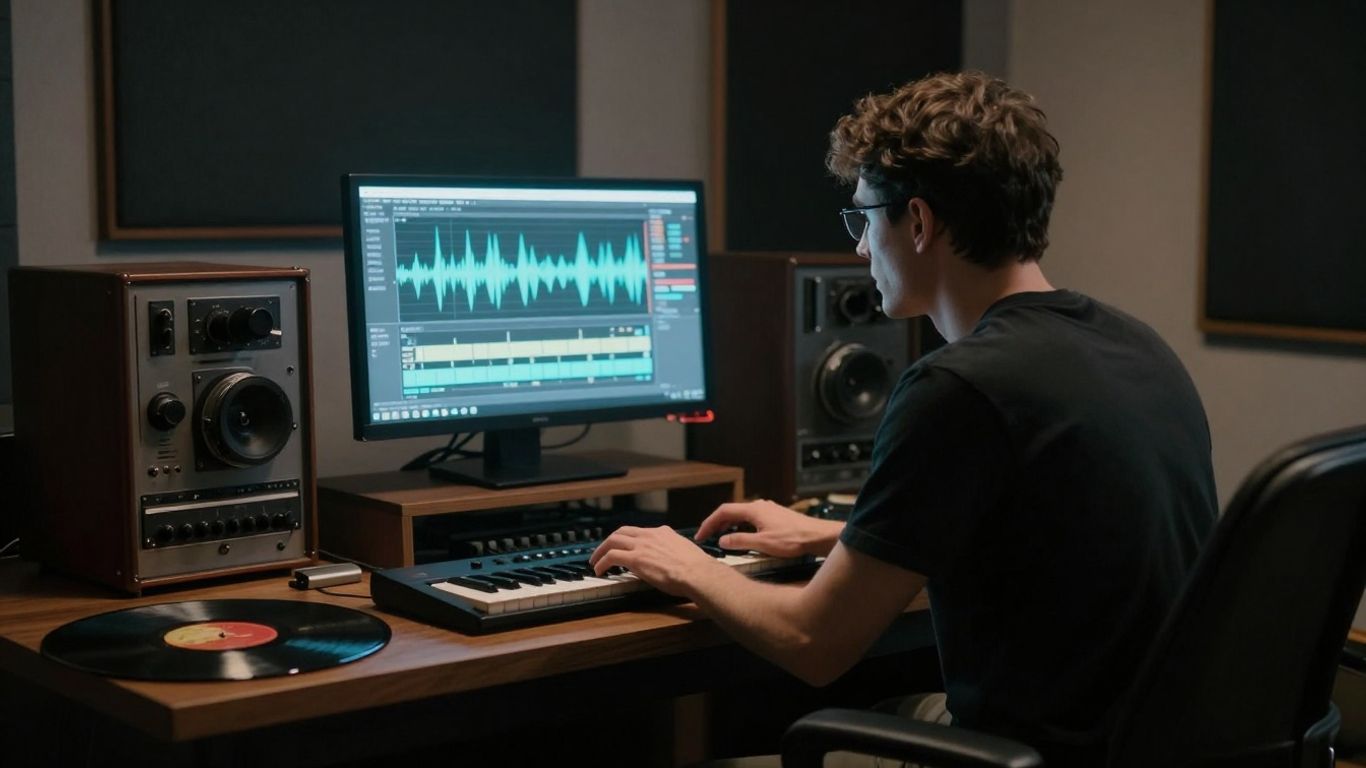
Alright, let's talk about the stuff that makes your trap soul tracks actually feel like something. We're diving into melodies and chords, the heart and soul (pun intended!) of your vibe. Forget just banging drums for a sec; this is where you paint the emotional picture.
Selecting Synthesizers for Rich, Moody Tones
Synths are your best pals here. You want sounds that are thick, maybe a little dark, something that makes you wanna stare out a rainy window. Don't just grab the first preset you see. Load one up, then start twisting those knobs. Seriously, just mess around. You're looking for that sweet spot where the synth adds character without stepping on your 808s or vocals. Think of it like finding the perfect filter for your selfie – it just makes everything better.
- Serum and Sylenth1 are popular for a reason, but don't sleep on your DAW's built-in synths either. Sometimes the simplest ones have the most personality.
- Try layering a few different synth sounds. A warm pad underneath a pluckier lead can create a really cool texture.
- Don't be afraid of sounds that aren't 'perfect'. A little bit of grit or a weird modulation can be exactly what makes your track unique.
Layering Chords for Emotional Depth
Chords are like the foundation of your emotional house. If you're going for that classic trap soul feel, sticking to minor keys is usually a safe bet. But the real magic happens when you layer them. You can take a simple chord progression and make it sound huge and complex just by adding more layers.
Here's a quick way to beef up your chords:
- Start with a basic progression: Maybe something like Am - G - C - F. Keep it simple at first.
- Double it up: Play the same chords with a different synth sound. A piano and a soft pad together? Chef's kiss.
- Add some variation: Try playing the chords in a different octave, or use inversions to make the movement smoother. It's like adding different spices to your favorite dish.
Sometimes, the most effective chord progressions are the ones that feel familiar but have one unexpected note or movement that catches the listener off guard. It’s that little surprise that makes them hit repeat.
Incorporating Melodic Variations to Keep It Fresh
Okay, you've got your chords. Now, let's add a melody that dances around them. Trap soul melodies are often simple, repetitive, and super catchy. The trick is to make them interesting without being too busy. Think about leaving space; sometimes a few well-placed notes are more powerful than a flood of them.
- Counter Melodies: This is where you add a second, simpler melody that plays in the gaps of your main melody. It's like a conversation between two instruments.
- Octave Jumps: Take your main melody and play it an octave higher or lower with a different sound. Instant depth!
- Rhythmic Play: Even if your notes are the same, changing the rhythm can make a melody feel completely new. Try adding little stutters or pauses.
Don't get stuck just playing the same thing over and over. Even small changes can keep your listeners engaged and make your track feel alive. It's all about finding that sweet spot between familiar and surprising.
Unconventional Sound Design for Unique Trap Soul Beats
Alright, let's get weird with it! You've got the basics down, but to really make your Trap Soul tracks pop, you gotta think outside the usual sample pack. Forget just grabbing the same old loops everyone else is using. It's time to get creative and build a sound that's unmistakably yours.
Recording Everyday Objects for Rhythmic Magic
Seriously, your kitchen is a goldmine. Grab some pots, pans, maybe a whisk, and bang out a rhythm. Record it! You can get some seriously cool, gritty percussion sounds that no plugin can replicate. Try recording different things, like hitting a metal shelf or a wooden door. Layer these sounds with your main drums, and you'll add a whole new dimension. It's like giving your beat a secret handshake.
Here’s a quick rundown on how to get started:
- Grab some random stuff: Pots, pans, spoons, keys, anything that makes a noise.
- Find a beat: Tap out a rhythm that fits your track. Use headphones so you can stay in time.
- Record it: Do a few takes, maybe try different combinations of objects.
- Process it: Add some reverb, maybe a bit of distortion, and layer it into your beat. You'll be surprised at how much life these sounds add.
Enlisting Family for Ad-Libs That Pop
Who needs expensive vocalists when you've got family? Get your little sibling to shout "Skrrt!" or your grandma to say "Yeah!" in a super unexpected way. It’s quirky, it’s personal, and it’ll definitely make people do a double-take. Plus, it’s a great way to get some laughs while you’re working. Just make sure they’re not too loud, or you’ll have to spend ages cleaning that up in the mix.
Exploring New Sound Libraries Beyond the Usual Suspects
Don't just stick to the same five sample packs. Go explore! Look for libraries that focus on obscure instruments, world music, or even old movie sound effects. You might find a weird synth texture or a vocal chop that completely changes the direction of your track. Think about sounds from different cultures or eras – you never know what gem you'll uncover. The goal is to find sounds that make you feel something different.
Sometimes the best sounds come from places you'd never expect. Don't be afraid to dig deep and experiment. That unexpected noise could be the hook your next hit needs.
Arranging and Polishing Your Masterpiece
Alright, you've got all these dope loops and ideas, but how do you turn them into a full-blown banger? This is where the magic of arrangement and polishing comes in. Think of it like building a house – you need a solid structure before you start painting the walls.
Developing a Catchy Chorus That Sticks
This is your track's main event, the part everyone's gonna hum. You want it to be memorable, right? Start by figuring out what makes your song special. Is it a killer synth line? A vocal chop that just hits different? Build around that. Layering sounds here is key to making it pop. Maybe add a higher octave synth or a subtle pad underneath to give it some serious weight. Don't be afraid to throw in a little something unexpected to make it stand out. The chorus is your moment to shine, so make it count!
Mixing for Clarity and Punch
Now, let's make sure everything sounds good together. Mixing is all about balance. You don't want your kick drum to get lost, but you also don't want it to stomp all over your vocals. Use your ears and your EQ to carve out space for each element. You want those highs to be crisp and the lows to be deep and powerful, but not muddy. Compression is your friend here, but go easy – too much and you'll suck the life right out of your track. Think of it as gently nudging things into place, not wrestling them into submission. Getting this right means your track will sound good everywhere, from your cheap earbuds to a massive sound system. For some killer tools to help you achieve this, check out these top mastering plugins.
Mastering: The Final Polish for Professional Sound
This is the last step, the cherry on top. Mastering is where you give your track that professional sheen. It's about making sure your song is loud enough, sounds balanced across all frequencies, and translates well to different playback systems. You're not really changing the song at this point, just making it the best version of itself. It's like getting a haircut – you don't change your head shape, you just make it look sharp. A little bit of EQ and compression can go a long way here. Don't rush this part; maybe step away for a bit and come back with fresh ears. Sometimes, getting a friend to give it a listen can catch things you missed. The goal is to make your track hit hard and feel complete, ready for the world to hear.
Remember, arranging and mixing are where you build the character of your song, and mastering is where you give it that final, professional polish. It's all about making sure every element has its place and contributes to the overall vibe you're going for.
Pushing the Boundaries of Trap Soul
Alright, let's talk about how to make your trap soul beats truly unique. This genre is awesome because it's already a blend, but there's always room to get weirder, right? Don't just stick to the script; let's mess with it.
Experimenting with Different Tempos for New Vibes
So, trap soul usually hangs out in that chill 60-80 BPM zone. But what happens if you crank it up or slow it way down? Trying a faster tempo, maybe around 100-120 BPM, can give your track a surprising amount of energy without losing that soulful feel. On the flip side, going super slow, like 50 BPM, can make it feel even more laid-back and introspective. You could even try layering elements at different tempos within the same track. Imagine a slow, dreamy synth line over a slightly faster drum beat – it creates this cool tension that keeps people listening.
Integrating Elements from Other Genres
This is where things get really fun. Trap soul is already a mix, so why not throw in some jazz chords? Or maybe a gritty rock guitar riff? Don't be afraid to grab a classical string sample and chop it up. Think about what makes other genres tick and how you can twist it into your trap soul sound. You might find that a simple jazz chord progression, when filtered and pitched down, adds a whole new layer of emotion. Or maybe a funky bassline from disco can give your beat an unexpected groove.
Creative Sampling Techniques to Stand Out
Sampling is a huge part of trap, but everyone uses the same old sounds. Let's get creative. Instead of just looping a vocal snippet, try chopping it into tiny pieces and rearranging them to make a new melody. Or take a drum break from an old funk record, pitch it down, and add a ton of reverb. The goal is to take something familiar and make it sound completely new. You can even sample everyday sounds – think pots, pans, or even a squeaky door – and turn them into rhythmic elements. It’s all about finding those hidden gems and transforming them. If you're looking for inspiration, check out some unique sample packs that go beyond the usual suspects.
Dive into the fresh sounds of "Pushing the Boundaries of Trap Soul." This style is all about mixing smooth vibes with hard-hitting beats, creating something totally new. It's like a cool blend of chill music and energetic rap. Want to hear more? Check out our website for the latest in trap soul beats!
So, What's the Takeaway?
Alright, you've officially dipped your toes into the wild world of Trap Soul production. Remember, it's not about having the fanciest gear or knowing every single button in FL Studio. It's about messing around, trying stuff, and finding that sound that makes you nod your head. Think of your DAW as your personal sound playground. Throw some weird samples in there, mess with those 808s until they rumble just right, and don't be afraid to make a few
Frequently Asked Questions
How do I set up my music software to make Trap Soul beats?
To get started, make sure your music-making software is organized so you can find everything easily. A good starting point for the speed of your track is usually around 140 beats per minute, but feel free to adjust it to fit the mood you're going for. Also, pick sounds and loops that really capture that Trap Soul vibe.
What's the secret to making drum patterns that really hit hard in Trap Soul?
Focus on making your kick and snare drums sound strong and impactful. Then, add hi-hats to create a cool rhythm that makes people want to move. Sprinkle in other small percussion sounds to give your beat more texture and make it sound more interesting.
Why are 808 bass sounds so important in Trap Soul?
808s are super important because they give your beats that deep, booming bass sound that's a signature of Trap Soul. They add a powerful low-end feel that makes the music sound full and complete.
How can I make my melodies sound more emotional and atmospheric?
Use synthesizers to create rich, moody sounds. Layering different chords can add a lot of feeling to your music. Try changing up your melodies a bit here and there to keep them from sounding too repetitive and boring.
Why is it important to mix and master my Trap Soul tracks?
Mixing is all about making sure every sound in your track can be heard clearly and sounds good together. Mastering is the final step that makes your music sound polished and professional, like something you'd hear on the radio.
How can I keep my Trap Soul music sounding fresh and unique?
Try exploring new collections of sounds and experiment with different track speeds. Don't be afraid to mix things up and try out ideas that haven't been done before. Pushing your creative limits is how you'll find your own special sound.