

So, you're making beats and want to make sure you're getting paid fairly and keeping what's yours? That's smart. Lots of producers think contracts are just for the big names, but honestly, if you're serious about your music, beat contracts are your new best friend. They're not as scary as they sound, and they're super important for protecting your work and making sure you get credit and cash for it. Let's break down why you need to know about beat contracts.
Key Takeaways
- Beat contracts are essential for any producer, whether you're just starting out or already professional. They help protect your future earnings and show you're serious about your career.
- Understand the difference between the composition (the song's idea) and the master recording (the actual sound). Both have different royalty streams, and a splits contract clarifies who owns what percentage of each.
- When licensing your beats, clearly define terms like exclusive vs. non-exclusive rights, usage limitations, and royalty splits in a licensing agreement.
- Producer agreements are vital for collaborations, detailing your payment, ownership of the master, and any "points" (percentage of revenue) you'll receive.
- Always clear samples and interpolations before releasing a track. This means getting permission from both the master owner and the composition owner to avoid legal trouble.
Why Beat Contracts Are Your New Best Friend
Alright, let's talk about something that might sound a bit dry but is actually your golden ticket to not getting ripped off: beat contracts. Think of them less like a stuffy legal document and more like your personal bodyguard for your beats. You've poured your heart, soul, and probably way too many late nights into crafting these sonic masterpieces. The last thing you want is for someone to snatch them up, make a hit, and leave you wondering where your cut went. That's where contracts swoop in, like a superhero in a sensible suit.
From Hobbyist To Pro: The Contractual Leap
Look, maybe you started making beats in your bedroom, just for fun. That's awesome! But if you're starting to think, "Hey, maybe I could actually make a living doing this," then it's time to level up your game. Signing a contract, even for a small gig, is like putting on your professional uniform. It tells the world, and more importantly, yourself, that you're serious about this. It’s the difference between playing in the park and playing in the big leagues. You wouldn't show up to a championship game without the right gear, right? Same goes for your music career.
Protecting Your Future Royalties
This is the big one. Royalties are basically the money that flows back to you every time your beat is used. Whether it's on a streaming platform, in a movie, or on the radio, you deserve to get paid. A contract clearly spells out how those royalties are split. Without one, you're basically leaving money on the table, hoping someone else remembers to send it your way. It's like giving someone your wallet and saying, "Uh, send me back what you think I'm owed." No thanks!
Here's a quick peek at what you're protecting:
- Streaming Royalties: Every play on Spotify, Apple Music, etc.
- Performance Royalties: When your beat is played on the radio or live.
- Sync Licenses: If your beat gets used in a film, TV show, or commercial.
- Sales: Downloads or physical copies.
Signaling Serious Intentions
When you present a contract, you're not just asking for a signature; you're sending a message. You're saying, "I've put in the work, I know my worth, and I'm professional." This confidence can actually attract better opportunities. Artists, labels, and even other producers will see that you're not messing around. It builds trust and respect, which, let's be honest, are pretty valuable in this industry. Plus, it helps you avoid those awkward "Wait, who owns this again?" conversations down the line. Nobody wants that headache.
The Nitty-Gritty Of Splits: Who Owns What?
Alright, let's talk about the nitty-gritty. You've made some fire beats, maybe even got an artist to hop on one. Now comes the part where things can get a little fuzzy if you're not careful: who actually owns what? It's not just about who made the beat; it's about the different pieces that make up a song and how they all earn money. Understanding splits is like knowing the secret handshake to getting paid fairly.
Composition Vs. Master: The Recipe And The Cookie
Think of a song like baking a cake. You've got the recipe – that's your composition. It includes the melody, the lyrics, the chords, all the fundamental musical ideas. Then you've got the actual cookie – that's the master recording. It's the final, recorded version of the song that people stream, buy, or hear on the radio. These two things are separate, and they both have their own ways of making money.
- Composition (The Recipe): This is where publishing royalties come from. When a song gets played on the radio, performed live, or used in a movie or TV show (sync license), the writers and publishers get paid. This money is split between whoever wrote the music and lyrics.
- Master Recording (The Cookie): This is the actual sound recording. When people stream your beat-turned-hit on Spotify, buy it on iTunes, or when a label uses it, the money generated goes to whoever owns the master. Usually, this is the artist or the record label, but as a producer, you can negotiate to get a piece of this pie.
Decoding Royalty Streams
So, how does the money actually flow? It's not just one big pot. Different actions trigger different payments, and knowing who gets what is key.
- Performance Royalties: Paid when a song is played publicly – think radio, live shows, or even background music in a bar. These go to the songwriters and publishers.
- Mechanical Royalties: Generated from physical sales (CDs, vinyl) and digital downloads, as well as from streams on platforms like Spotify and Apple Music. These are also split between songwriters and publishers.
- Master Use Royalties: Paid when someone wants to use the actual sound recording in a project, like a movie, TV show, or commercial. This is separate from the composition and goes to the owner of the master recording.
- Streaming Royalties: A big one these days. Money from streams on platforms like Spotify, Apple Music, and Tidal is split between the label (for the master) and the publishers/songwriters (for the composition). As a producer, you'll want to see if you can get a cut of the master side here.
Avoiding The "Whoops, I Lost My Share" Syndrome
This is where splits sheets and clear contracts save your bacon. Without them, you're basically leaving money on the table and hoping for the best. It's super common for producers to think they're covered, only to find out later that their share of the composition or master went to someone else because it wasn't written down.
Don't let "I thought we had a deal" be your financial strategy. Get it in writing, and make sure everyone involved knows exactly what percentage of both the composition and the master recording belongs to whom. This prevents awkward conversations and, more importantly, lost income down the line.
Here’s a quick rundown of what to clarify:
- Composition Split: Who wrote the lyrics? Who wrote the melody? Who produced the beat? Assign percentages for each writer and publisher.
- Master Split: Who owns the master recording? If it's an artist or label, what percentage are you getting as the producer? This is often where producer points come into play.
- Publishing Administration: Who is going to handle collecting the publishing royalties? Are you using a PRO like ASCAP, BMI, or SESAC, or a separate publishing administrator?
Getting these details ironed out upfront means you can focus on making more music, not chasing down payments you should have already received. It's all about setting clear expectations from the get-go.
Licensing Your Beats: Setting The Terms
Alright, so you've cooked up some fire beats, and now people want to use 'em. Awesome! But before you hand over the keys to your sonic kingdom, you gotta lay down some ground rules. That's where licensing comes in. Think of it as the handshake agreement that says, 'You can use my beat, but here's how.' It's all about making sure you get paid and that your beat doesn't end up in places you never intended.
Exclusive vs. Non-Exclusive: The VIP Treatment
This is a big one. When someone wants your beat, you need to decide if you're giving them the VIP treatment or if it's more of a general admission situation.
- Exclusive License: This is like renting out your entire party venue. Only one person gets to use the beat. They usually pay a premium for this, and it means they have full control over it for their project. You can't license this beat to anyone else once it's exclusive.
- Non-Exclusive License: This is more like a public park. Multiple people can use the beat. You'll typically charge less for these, and you can keep licensing it to other artists. Just make sure your contract clearly states how many non-exclusive licenses you're willing to sell for a particular beat. You don't want to accidentally license the same beat to ten different artists and have them all blow up!
Usage Rights: Where Can Your Beat Go?
So, they've got the license, but where can they actually use your beat? This is where you get specific. Are we talking about just for their mixtape? Or can they put it on Spotify? What about a commercial? You gotta spell it out.
Here’s a quick rundown of common usage rights:
- Streaming: How many streams are allowed? (e.g., 50,000 streams on Spotify, Apple Music, etc.)
- Music Videos: Can they make a YouTube video with it? Are there limits on views?
- Radio Play: Can they get it played on the radio? (This usually comes with higher fees or is reserved for exclusive licenses).
- Performance Rights: Can they perform the song live with your beat?
- Sync Licensing: This is for TV shows, movies, commercials, video games. This is usually a whole separate negotiation and often requires an exclusive license.
Defining Distribution Limits
This is kinda tied into usage rights, but it's worth its own little section. It's about how far your beat can travel. Are you cool with them selling 1,000 CDs? What about unlimited digital downloads? You need to set clear boundaries.
Think about:
- Physical Sales: How many CDs, vinyl, etc., can they sell?
- Digital Sales: How many downloads can they offer?
- Monetization: Can they put ads on their YouTube videos using your beat? If so, do you get a cut?
Setting these terms upfront prevents awkward conversations later. It's like telling your friend how many cookies they can have before they eat the whole jar. Everyone knows the deal, and nobody's left feeling grumpy.
Producer Agreements: The Collaboration Blueprint
Alright, let's talk about producer agreements. Think of these as the ultimate handshake deal, but, you know, in writing. When you're cooking up tracks with an artist, this is the document that spells out who gets what, how you get paid, and what rights everyone’s playing with. It’s basically the blueprint for your creative partnership, making sure no one’s left scratching their head later.
Who Owns The Master? Spoiler: Usually You!
This is a big one. In most cases, especially if you're the one actually engineering and mixing the track, you'll want to retain ownership of the master recording. This means you control the final sound file. The artist might get a license to use it, but you hold the keys. It’s like baking a cake – you made it, you own the cake, but you might let someone else eat a slice (or a whole bunch of slices, depending on the deal).
Understanding Producer Points
Producer points are your cut of the pie, your share of the royalties. These are usually expressed as a percentage. For example, you might get 3-5% of the points on the master recording. This means every time that song makes money from streams, sales, or sync licenses, you get a little something. It’s not just about the upfront payment; points are how you get paid long-term, especially if the track blows up. It’s wise to get these details ironed out early, maybe even before you start laying down tracks.
Payment Structures: Per Song Or Per Hour?
How do you actually get paid? There are a few ways producers typically structure their compensation:
- Per Song Fee: You get a set amount for each track you produce. Simple, straightforward, and good if you know exactly how many songs are involved.
- Hourly Rate: You bill for the time you spend working on the project. This works well for projects with uncertain scopes or when you're doing a lot of experimentation.
- Advance Against Royalties: Sometimes, an artist or label will give you an upfront payment (an advance) that gets paid back from your future royalty earnings. If you don't earn out the advance, you might not get further royalties until you do.
- Hybrid Models: You can mix and match! Maybe a smaller per-song fee plus a smaller percentage of points. It really depends on the project and your negotiation skills.
Remember, the goal of a producer agreement is to create a clear, fair, and mutually beneficial relationship. It protects both your creative vision and your financial interests, ensuring that your hard work is properly recognized and rewarded. Don't be afraid to ask questions and negotiate terms that feel right for you.
Here’s a quick look at how points might break down:
| Royalty Type | Your Share (Example) |
|---|---|
| Master Recording | 3-5% |
| Publishing (Writer's Share) | 0-1% (Negotiable) |
This is just an example, and your actual points will depend on your negotiation and the overall deal structure.
Clearing Samples And Interpolations: Don't Get Sued!
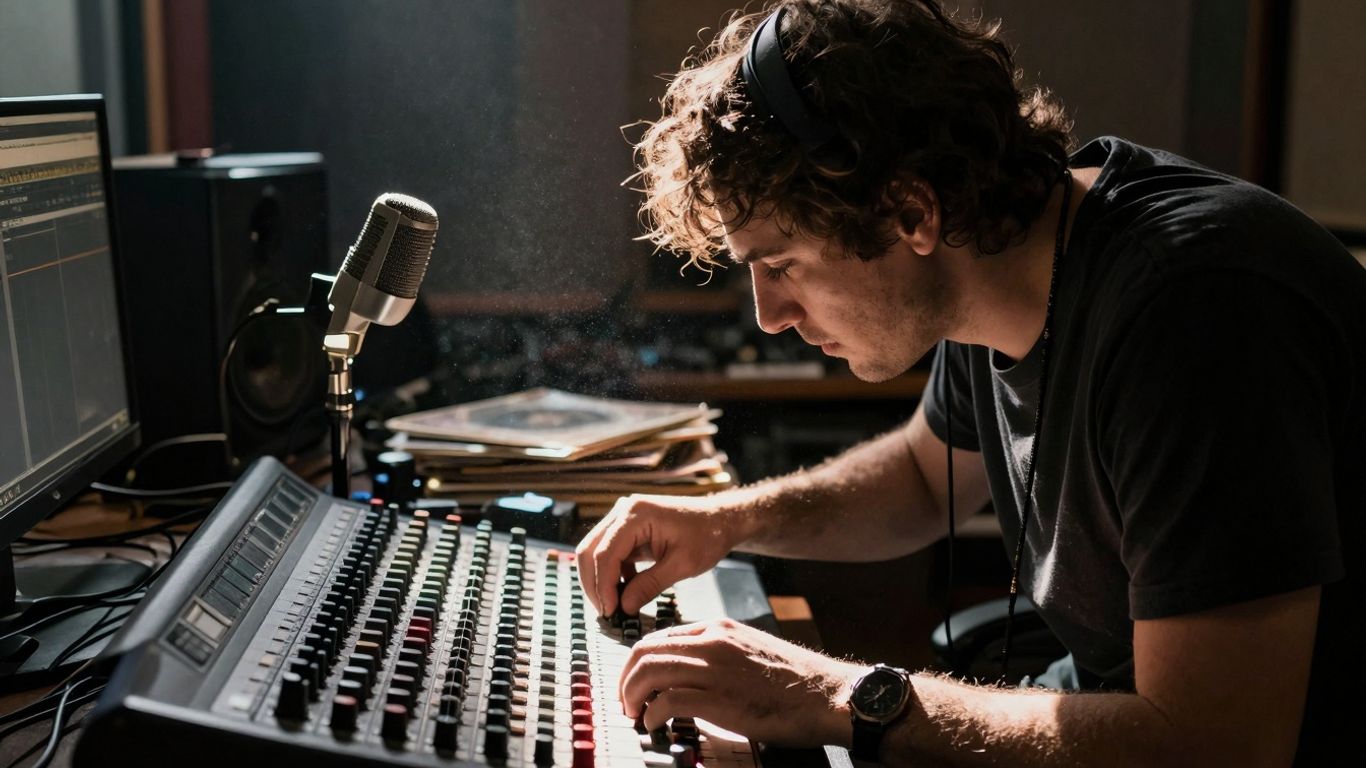
Alright, let's talk about the sticky stuff: using bits of other people's music in your own. It's like borrowing a cup of sugar, but with way more legal paperwork. You've probably heard the terms 'sample' and 'interpolation' thrown around, and yeah, they're different beasts. Messing this up can land you in hot water, so pay attention!
Sample Clearance: Two Licenses Are Better Than One
So, you want to lift a dope drum break from an old funk record or snag a vocal snippet? That's sampling. When you do this, you're not just borrowing a vibe; you're grabbing a piece of the actual recording. This means you need permission from two different parties:
- The Master Owner: This is usually the record label that owns the original recording. You'll need a "Master Use License" from them. Think of them as the folks who own the actual baked cookie.
- The Composition Owner: This is the songwriter or publisher who owns the underlying music and lyrics. You'll need a "Composition License for sample use." They own the recipe for that cookie.
You absolutely need both of these licenses before you even think about releasing your track. Skipping one is like trying to drive a car with only three wheels – it's not going to end well.
Interpolation: Replaying The Magic
Now, interpolation is a bit different. Instead of using the original recording, you're re-recording or replaying a part of an existing song yourself. It's like you're covering that cool melody or chord progression, but in your own style. Since you're not touching the original master recording, you only need permission from one place:
- The Composition Owner: Again, this is the songwriter or publisher. You'll need their okay to use their musical idea. They own the recipe, and you're just using a part of it to bake your own version.
This is still a big deal, and you can't just skip it. You need to get the green light from the rights holders.
The Non-Negotiable Need For Clearance
Look, nobody wants to get sued. It's expensive, it's stressful, and it can totally derail your career before it even starts. The Copyright Act is pretty clear on this stuff. If you use someone else's music without permission, you're basically stealing. This can lead to your track getting taken down, you losing out on all your hard-earned royalties, or worse, a full-blown lawsuit.
So, how do you actually do this? You (or your team) have to reach out to the rights holders. For composition rights, that's usually the publisher. For master rights, it's the record label. You'll need to negotiate a license before you drop your song. It might seem like a hassle, but it's way better than dealing with legal drama later. It's a small price to pay for peace of mind and keeping your music out of legal trouble.
Getting Your Beat Contracts Done Right
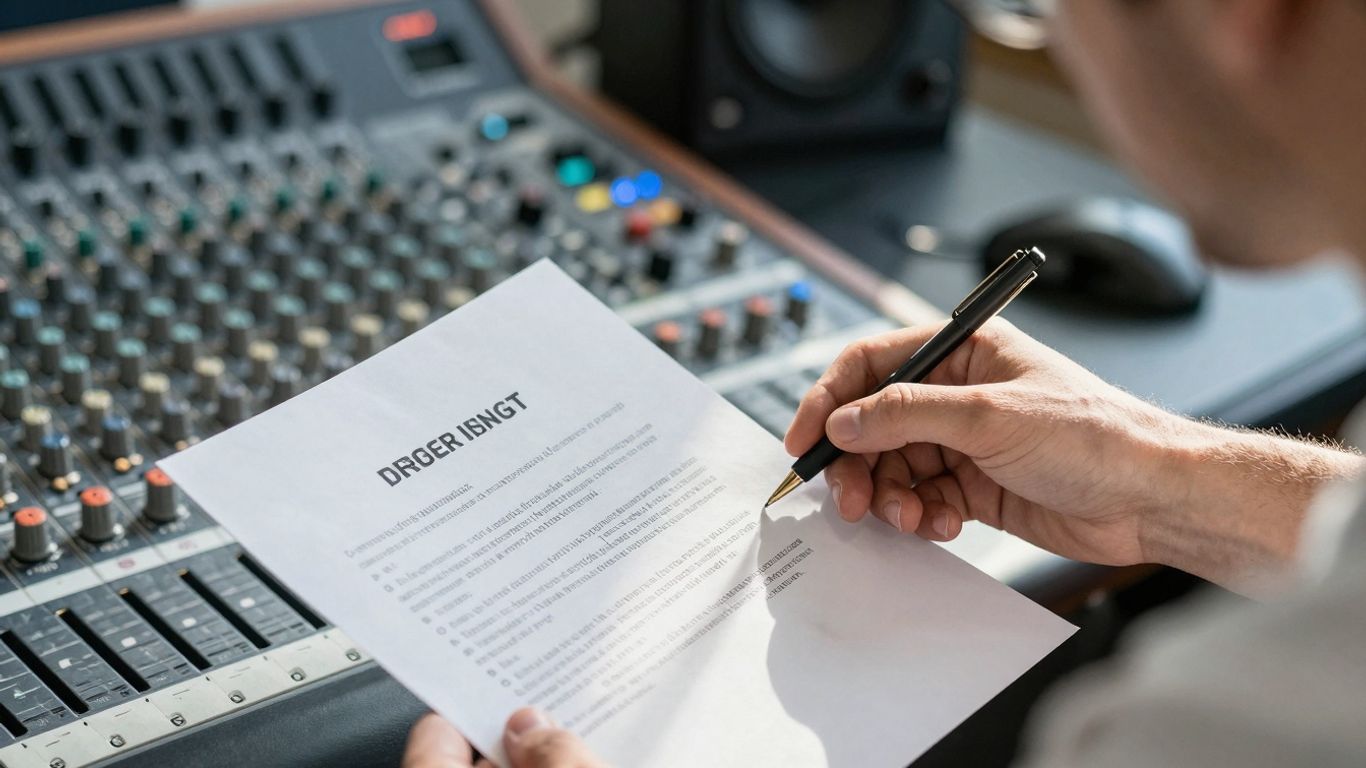
Alright, so you've made it this far, which means you're serious about your beats and your future. That's awesome! But now comes the part that can feel a bit like homework: actually getting these contracts sorted. Don't sweat it, though. We're going to break down how to make this happen without pulling your hair out.
Lawyer Up Or Level Up With Platforms?
So, you need contracts, but how do you get them? Your first thought might be, "Lawyer time!" And yeah, a good lawyer is like a superhero for your music career. They know all the ins and outs, and they can whip up a contract that's perfectly tailored to you. The catch? It can get pricey, and finding the right one can take a while. If you're just starting out or dealing with pretty standard stuff, like a basic beat license or a simple splits agreement, you might be paying a lot for something that's already a template for them.
On the flip side, there are online platforms and services that offer contract templates. These can be way more affordable and quicker to get. Think of them as the "good enough for now" option. They're great for getting the ball rolling and making sure you've got something in writing. Just be sure you're using a reputable service and that the templates actually cover what you need. It's better to have a decent contract than no contract at all.
Boilerplate Agreements: Not Always A Bad Thing
Okay, "boilerplate" sounds super boring, right? Like something you'd find stuck to the bottom of a cereal box. But in the contract world, boilerplate clauses are actually super important. These are the standard, pre-written bits that cover common legal stuff. Things like:
- Governing Law: Which state's or country's laws apply if there's a dispute.
- Dispute Resolution: How you'll sort things out if you and the other party disagree (like mediation or arbitration).
- Confidentiality: Keeping certain information private.
- Entire Agreement: This basically says the written contract is the whole deal, and no one can claim there were other promises made verbally.
While you don't want your entire contract to be boilerplate (you need specifics about your beat!), these standard clauses are there for a reason. They protect both you and the other person by setting clear expectations for common issues. They're the unsexy but necessary foundation.
Building Contract Habits From Day One
Seriously, don't wait until you've got a viral hit to start thinking about contracts. Make it a habit right now. Every time you license a beat, every time you collaborate, get it in writing. It might feel like overkill at first, but trust me, future you will be sending thank-you notes.
Here’s a quick rundown of what to aim for:
- Keep Records: Log every beat you send out, who you sent it to, and when. Use watermarks or producer tags – it’s like a digital signature.
- Use Templates (Wisely): Start with reliable templates from platforms or even lawyer-provided ones if you can get them. Customize them for each deal.
- Read Everything: Don't just skim. Understand what you're signing. If you don't get it, ask questions or get help.
- Get It Signed: Make sure both parties sign the final agreement. Digital signatures count!
Think of it like this: you wouldn't build a house without a blueprint, right? Contracts are your blueprint for a sustainable music career. They protect your work, your money, and your peace of mind. Start building that solid foundation now, and you'll be way ahead of the game.
Making sure your beat contracts are solid is super important for any music maker. Don't let confusing legal stuff trip you up! We've got simple ways to get your agreements sorted so you can focus on making great music. Ready to protect your work and get paid fairly? Visit our website today to learn more about making your beat contracts work for you.
So, What's the Takeaway?
Alright, so we've gone through the nitty-gritty of beat contracts. It might seem like a lot, maybe even a bit much for just making beats. But seriously, think of it like this: you wouldn't build a dope studio without soundproofing, right? Contracts are your soundproofing for your music career. They're not there to be a buzzkill, but to make sure you actually get paid for your genius and, you know, don't end up in some weird legal pickle down the road. So, get those splits sorted, get those agreements in writing, and start treating your beats like the valuable assets they are. Your future self, chilling on a yacht funded by your music, will totally thank you. Now go make some noise... legally!
Frequently Asked Questions
Why do I even need a contract for my beats?
Think of contracts as your beat's bodyguard! They make sure you get credit and paid for your hard work. Even if you're just starting out, using contracts shows you're serious and protects you if one of your beats becomes a huge hit down the road. It's all about making sure your music can actually make you money and that you get the recognition you deserve.
What's the difference between the 'recipe' and the 'cookie' when it comes to song ownership?
Great question! Imagine a song is like baking a cookie. The 'recipe' is the actual song itself – the melody, the lyrics, the chords. This is called the 'composition.' The 'cookie' is the finished recording, the actual sound you hear, like on Spotify. This is the 'master recording.' Both can earn money, but in different ways, and contracts help you figure out who gets what slice of the pie from each.
Exclusive vs. Non-Exclusive beats: What's the big deal?
When you sell a beat exclusively, you're selling it to just one person. They get full bragging rights and can use it however they want (within the contract terms, of course!). Non-exclusive means you can sell the same beat to multiple artists. It's usually cheaper for the artist, but you get less money per sale. It's all about deciding how much control and money you want for each beat.
If I pay a producer for a beat, don't I automatically own it completely?
Not always! When you buy a beat, especially if it's non-exclusive or you're working directly with a producer on a song, they might still get a 'point,' which is a small percentage of the song's earnings. It's super important to have a contract that clearly states who owns what, especially the 'master recording.' Usually, you should own the master once you pay the producer's fee, but always double-check the agreement.
What if I want to use a piece of another song in my beat? Do I need permission?
Absolutely! If you use an actual sound clip from another song (that's called sampling), you need permission from two people: the owner of the recording and the owner of the song's writing. If you re-record a melody or part of a song yourself (that's interpolation), you just need permission from the songwriter. Skipping this step can lead to big trouble, like your song being taken down or even getting sued.
Do I really need a lawyer for my contracts, or are there easier ways?
While a lawyer is always a solid choice, especially for complex deals, there are other options! Many platforms now offer easy-to-use contract templates specifically for music producers. These can be way more affordable and quicker for standard agreements like beat licenses or producer splits. The most important thing is to use *some* kind of contract and make it a habit from the start of your career.


