

So, you're making music and need some beats, right? But then you hit this fork in the road: do you lease a beat or go for the full exclusive rights? It sounds simple, but honestly, it can get confusing fast. Picking the wrong one could mess with your money, your music, and even your career down the line. Let's break down the whole lease vs exclusive beats thing so you can figure out what's best for you.
Key Takeaways
- Leasing a beat is like renting it – you pay less, but others can use the same beat too, and there are limits on how much you can use it.
- Exclusive rights mean you're the only one who can use that beat, and you usually get more freedom, but it costs a lot more upfront.
- Don't get too caught up in ownership details; exclusive rights usually mean you own the master recording, but the producer often keeps the copyright for the beat itself.
- Always read the contract for any beat you lease or buy exclusively. The terms about streams, sales, and royalties can really change things.
- Start by leasing beats to build your music catalog and test which songs connect with your audience, then consider buying exclusive rights for the tracks that are really taking off.
Lease vs Exclusive Beats: The Ultimate Showdown
What's the Real Deal with Leased Beats?
Alright, let's talk about leased beats. Think of leasing a beat like renting a really cool apartment. You get to live in it, make it your own for a while, and enjoy all the perks, but you don't actually own the building, right? That's pretty much how leasing works for beats. You pay a fee, and you get permission to use that dope instrumental in your music. The producer, the landlord of the beat-building, keeps the main rights. This means other artists can also lease that same beat. It's a super common way to get your hands on some fire tracks without breaking the bank.
Here's the lowdown on leased beats:
- Non-Exclusive: Lots of people can use the same beat. You're not getting a one-of-a-kind track.
- Budget-Friendly: Way cheaper than buying exclusive rights. You can snag a few for the price of one exclusive.
- Usage Limits: This is where you gotta pay attention. Leases usually come with caps – like how many streams your song can get on Spotify, how many copies you can sell, or where you can use it (YouTube, radio, etc.).
- Time Limits: Some leases have an expiration date. If you wanna keep using the beat legally, you might need to renew.
Leased beats are your go-to when you're building your catalog, testing out new sounds, or just need a solid track without a huge upfront cost. It's all about getting your music out there.
Exclusive Beats: The VIP Treatment
Now, exclusive beats? This is like buying that apartment outright. When you buy exclusive rights to a beat, you're the only one who gets to use it. Period. The producer pulls it off the market, and nobody else can touch it. This is the VIP treatment for your music. You get full control, and it makes your track truly unique. It's a bigger investment, for sure, but it means your song is one-of-a-kind, powered by a beat that only you have.
Why All the Confusion About Ownership?
So, why does this whole lease vs. exclusive thing get so fuzzy? It's mostly because of the word "exclusive." It sounds like you own everything, right? Like buying a car – it's yours, end of story. But with beats, it's a bit more like buying the rights to sell a specific product. You control how it's used and sold, but you didn't invent the original thing. The producer usually still holds the copyright to the actual composition of the beat, even when you buy exclusive rights. You own the master recording of your song, but the beat itself is still their intellectual property. It's a common mix-up, and understanding this difference is key to avoiding headaches down the road.
Cracking the Code: Understanding the Money Moves
Leasing for the Long Game: Building Your Empire
So, you're thinking about leasing beats. Smart move, especially when you're just starting out or trying to keep your budget in check. Leasing is basically like renting a sweet instrumental. You get to use it, make your magic happen, and put out your music, but there are usually some limits. Think of it like this: you can drive a fancy car, but you don't own it. You pay a fee, and you get to cruise around for a while under specific rules.
This is awesome because it lets you build up a solid catalog without dropping a ton of cash on every single track. You can test out different sounds, see what your audience vibes with, and keep the content flowing. It’s all about playing the long game, stacking up those tracks, and growing your fan base steadily. Plus, most lease agreements are royalty-free, meaning every dollar your song makes from streams or sales is yours to keep. Pretty sweet deal, right?
Exclusive Beats: When Your Track Becomes a Blockbuster
Now, let's talk about going exclusive. This is where things get serious. When you buy exclusive rights to a beat, you're basically getting the VIP treatment. You're the only one who can use that specific instrumental. No one else can touch it. This is the move you make when you know a song is going to be a hit, or when you've got big plans for it, like a music video or a major promotional push.
With exclusives, you usually get the master recording rights, and you'll likely share publishing rights with the producer. It's a bigger investment, for sure, but it gives you total control and peace of mind. You don't have to worry about someone else using the same beat and diluting your sound. It's your track, your beat, your moment. This is the ultimate way to protect your investment when a song starts taking off.
The Hidden Perks of Leasing: More Than Just Savings
Leasing isn't just about saving money, though that's a huge plus. It's also about flexibility and strategy. You can lease a beat for a lower price, test it out, and if it starts blowing up, you can often upgrade to exclusive rights later by just paying the difference. It’s like a test drive before you buy the whole car.
Here’s a quick look at why leasing is so clutch:
- Budget-Friendly: Obviously, it costs way less upfront than buying exclusive rights.
- Catalog Building: Lets you release more music consistently without breaking the bank.
- Risk Mitigation: You can test a song's potential before committing to a big purchase.
- Royalty-Free Options: Many leases mean you keep 100% of your earnings.
Remember, the goal is to make smart choices that help your music career grow. Leasing gives you the freedom to experiment and build momentum without getting tied down by massive costs early on. It’s a strategic tool in your producer toolkit.
The Nitty-Gritty: Legal Loopholes and Royalties
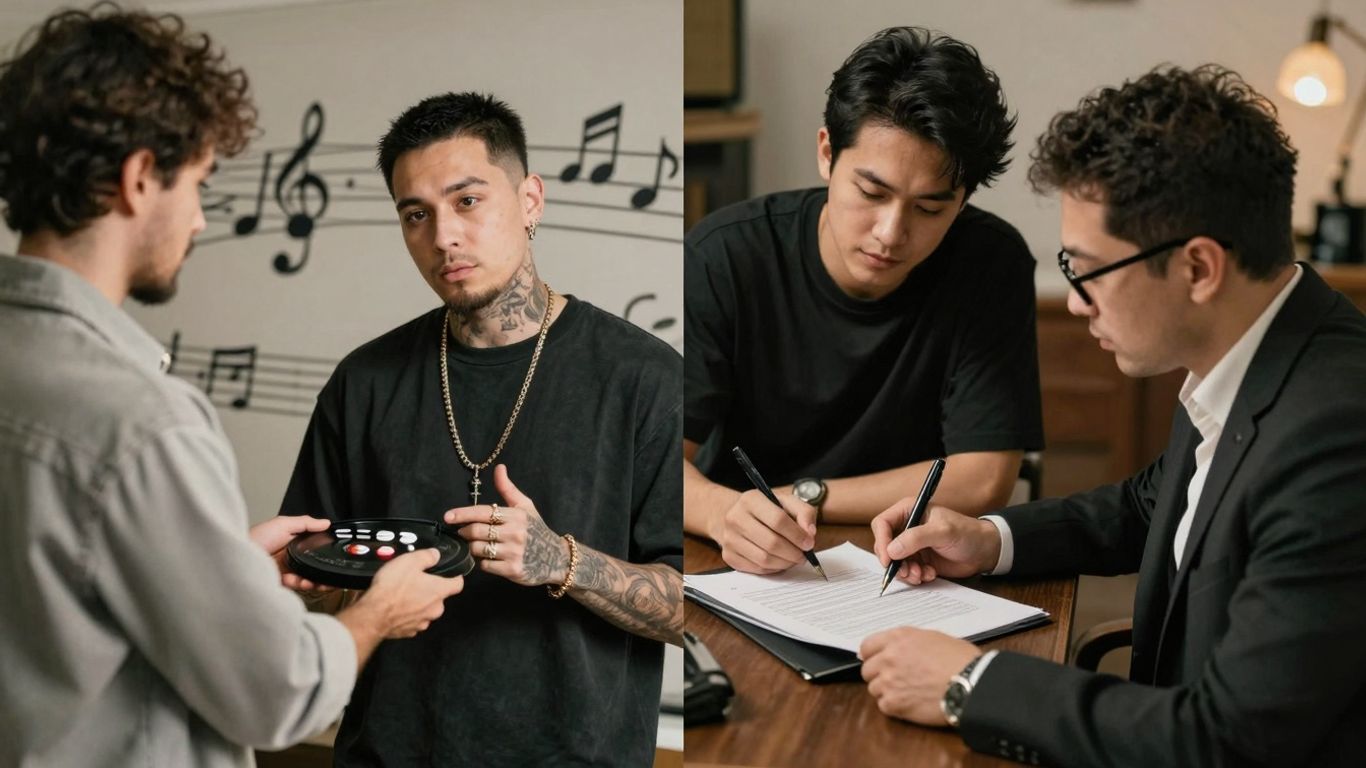
Alright, let's get down to the nitty-gritty, the stuff that can make or break your music career if you're not careful. We're talking about the legal mumbo jumbo, the copyright chaos, and, of course, the money – your hard-earned cash.
Who Owns What? Decoding Copyright Chaos
This is where things can get messy, fast. When you lease a beat, you're basically renting the instrumental. The producer still owns the copyright to the beat itself. You own the copyright to your lyrics and your vocal performance. You don't own the master recording or any part of the beat. It's like borrowing a really cool car; you can drive it, but you can't sell it or paint it a new color without permission. Now, when you go for exclusive rights, it's a bit different. The producer usually still owns the composition copyright and often keeps about 50% of the publishing rights. But, you get to own the master recording of your complete song. It's a shared ownership situation, so make sure you know exactly what you're getting.
Understanding copyright is key. It dictates who gets paid and who has control over your music. Don't just assume; get the details in writing.
Royalty Ruckus: Keeping Your Hard-Earned Cash
Royalties are the lifeblood of music income, and you want to make sure you're getting your fair share. With a basic lease, you might be limited in how many streams your song can get before you hit a cap. If you blow past that cap, you could face legal issues or have your content taken down. That's why it's super important to know those limits. When it comes to exclusive rights, things are usually clearer, but you still need to be aware of publishing splits. Some producers might try to claim a cut of your publishing, even on leases, which is a big red flag. Always, always ask about Content ID policies on platforms like YouTube. Some producers register their beats, and that can mean ad revenue from your video goes straight to them, even if you have a valid license. It's a sneaky one!
Here's a quick rundown of what to look for:
- Usage Rights: What can you actually do with the beat? Music videos? Live shows? Sync placements?
- Territory: Make sure you have worldwide rights, not just for one region.
- Derivative Works: Can you remix or alter the beat if you want?
- Crediting: How do you need to credit the producer? Usually, it's a simple "Prod. by [Producer Name]" in the title.
When Leases Go Bad: The Consequences of Breaking the Rules
So, what happens if you mess up? If you're leasing a beat and you hit your stream cap or start using it in ways your license doesn't allow, you're asking for trouble. This could mean getting a cease and desist letter, having your song pulled from streaming platforms, or even facing a lawsuit. It's not pretty. The same goes if you try to sell your song as exclusive when you only leased it. Always get everything in writing – no handshake deals! Save your license agreement and receipt somewhere safe. If a producer is shady about documentation, find someone else. It's better to be safe than sorry when it comes to your music and your intellectual property rights.
Here are some common lease deal-breakers to watch out for:
- Contracts that are super long and full of confusing legal talk.
- Hidden fees or automatic renewals you didn't agree to.
- Restrictions on commercial use even after you paid for a license.
- No clear way to upgrade to exclusive rights if your song takes off.
- Producers taking a cut of your publishing on basic leases.
- Really low stream caps that you'll hit in no time.
Smart Strategies for Producers and Artists Alike
Alright, let's talk about making smart moves in this beat game. Whether you're the one cooking up the beats or the one spitting fire over them, there are some savvy ways to play the field.
Budget Battles: Leasing When Funds Are Low
Look, we all start somewhere, right? Maybe your pockets aren't exactly overflowing with cash right now. That's totally fine! Leasing is your best friend when you're on a tight budget. It lets you get your hands on some seriously dope instrumentals without dropping a fortune. Think of it like test-driving a car before you buy it – you get to see if it fits your vibe.
- Leasing is perfect for freestyles, social media clips, or just getting your music out there when you can't afford the big leagues yet.
- It allows you to build a catalog of songs without breaking the bank.
- You can experiment with different producers and styles to find what truly makes you shine.
Don't let a small budget stop you from creating. Leasing opens doors that might otherwise stay shut. It's about being resourceful and making the most of what you have.
Data-Driven Decisions: When to Upgrade to Exclusive
So, your track is starting to get some serious love. Streams are climbing, people are actually sharing it – awesome! This is where you gotta get smart. Don't just keep leasing forever if your song is blowing up. Keep an eye on those numbers. If you're hitting, say, 75% of your stream limit on a lease, it's probably time to think about upgrading to exclusive rights. It's way better to pay the difference before you hit the cap and get hit with a copyright claim or have your song taken down. That's just painful.
Here's a quick look at when it makes sense to upgrade:
| Metric | Action Point |
|---|---|
| Stream Cap | Reaching 75% of your lease's stream limit |
| Playlist Placement | Getting featured on a major curated playlist |
| Viral Moment | Your track starts blowing up on social media |
| Label/Sync Interest | Someone official wants to use your song |
| Marketing Campaign | Planning a music video or big promotion |
Upgrading proactively protects your momentum and your earnings. It's an investment in a proven winner.
The Art of the Deal: Negotiating Your Terms
Don't be afraid to talk to the producer! Most producers are pretty chill and want to work with artists. If you're leasing a beat and your song starts doing numbers, reach out. See if they offer a lease-to-own option where you just pay the difference between what you already paid and the exclusive price. Sometimes, producers might even be open to custom deals if you're a serious artist with a solid plan. Always, always, always get everything in writing. No handshake deals, no verbal agreements. If a producer isn't willing to put the terms down on paper, that's a red flag, and you should probably find someone else. Your license agreement and receipts are your best friends, so keep them safe!
Maximizing Your Earnings: Lease or Exclusive?
Alright, let's talk turkey. You've poured your heart and soul into these tracks, and now you want to make sure your wallet feels it too. Deciding between leasing a beat and going for the exclusive rights is a biggie, and honestly, it can feel like a coin toss sometimes. But don't sweat it, we're gonna break down how to make the most cash, no matter which route you choose.
The Profit Potential of Leasing
Leasing might seem like the budget option, and it is, but that doesn't mean it's a one-way ticket to broke town. Think of leasing as your musical testing ground. You can grab a bunch of beats for the price of one exclusive, letting you churn out more music and see what sticks with your audience. More songs mean more chances for streams, more downloads, and more opportunities for people to discover you. Plus, many leases come with built-in limits on streams or sales, which can actually push you to upgrade to exclusive if a track starts popping off. It's all about building that catalog and getting your name out there without breaking the bank.
Here's a quick look at how leasing can add up:
| Lease Type | Typical Price | Potential Streams | Potential Sales | Notes |
|---|---|---|---|---|
| MP3 Lease | $20 - $50 | 10,000 - 50,000 | 500 - 1,000 | Basic quality, good for demos/early singles |
| WAV Lease | $50 - $150 | 100,000 - 500,000 | 2,000 - 5,000 | Better quality, for more serious releases |
| Trackout Lease | $150 - $300 | Unlimited (often) | 5,000+ | Full control over mixing, higher limits |
Remember, these are just ballpark figures. Always check the specific terms of each lease agreement. You keep the revenue from streams and sales up to the limit, which can definitely add up if you've got a hit on your hands!
The Big Payday of Exclusives
Now, exclusive beats. This is where you're playing for keeps. When you buy exclusive rights, you're essentially buying out the producer's ability to sell that beat to anyone else. This means you get sole ownership of that instrumental for your track. Why does this matter for your wallet? Control. You can use it on albums, for commercial releases, sync licensing (think TV shows and movies), and you don't have to worry about someone else's track sounding eerily similar. This level of control often translates to higher earning potential because you're not sharing the spotlight or the revenue streams with other artists using the same beat. Plus, if your song blows up and you want to license it for a major commercial, having exclusive rights is usually a non-negotiable requirement.
Think about it this way:
- Unrestricted Commercial Use: No stream caps or sales limits means your hit song can keep earning indefinitely.
- Sync Licensing Goldmine: Getting your track placed in a movie or commercial can be a massive payday, and exclusives are key.
- Brand Building: Owning the beat outright helps solidify your unique sound and brand identity, making you more marketable.
- Higher Perceived Value: A song with exclusive rights often carries more weight for potential investors or labels.
While the upfront cost is higher, the long-term earning potential and the ability to fully capitalize on a hit song are significantly greater with exclusive rights.
When Leasing Outperforms Exclusives
Okay, so exclusives sound great, but sometimes, leasing is actually the smarter financial move. If you're just starting out, building your fan base, or testing out a new sound, dropping hundreds or even thousands on an exclusive beat might be a bit much. Leasing allows you to release more music more frequently, which keeps your audience engaged and helps you grow organically. You might lease five beats for the price of one exclusive, and if even one of those leased tracks gets a decent amount of traction, you've already made your money back and then some, without the huge initial investment.
It's easy to get caught up in the idea of owning everything, but sometimes, renting is just more practical. Leasing gives you the flexibility to experiment and release music without the pressure of a massive upfront cost. You can always upgrade to exclusive later if a song proves itself.
Consider these scenarios where leasing wins:
- Building a Diverse Catalog: You need variety to find your niche. Leasing lets you experiment with different styles without committing.
- Testing Audience Reception: Drop a few leased tracks and see which ones get the most love before investing in exclusive rights for a specific sound.
- Budget Constraints: When cash is tight, leasing is the only way to keep releasing music consistently.
- Demo Tracks: If you're sending out demos or working on a project that might not be a major release, leased beats are perfect.
Ultimately, the goal is to make music that connects and earns. Whether you lease or buy exclusive, understanding the terms and choosing the right option for your current situation is how you'll really maximize your earnings.
Avoiding Pitfalls: Common Mistakes to Dodge
Alright, let's talk about the stuff that can trip you up when you're trying to make bank with beats. It's not all sunshine and royalty checks, you know? Sometimes, you can shoot yourself in the foot without even realizing it. So, let's cover some common blunders so you can sidestep them like a pro.
The Danger of Buying Exclusive Too Soon
This is a big one, and honestly, I've seen it happen way too often. You get super hyped about a beat, maybe it sounds amazing, and you think, "This is it! This is the one that's gonna blow up!" So, you drop a bunch of cash on exclusive rights right then and there. Hold up, cowboy! You might be throwing money at a song that never really goes anywhere.
Think about it: you spend, say, $500 on exclusive rights for a beat. Then, you spend another $1000 on mixing and mastering. But what if that song just doesn't connect with your audience? Now you've got a perfectly produced, expensive track that nobody's really listening to. That $1500 could have been used to lease a few different beats, test out more ideas, and see what actually sticks. It's like buying a whole wedding dress before you've even met your future spouse – a bit premature, right?
Here's a quick way to think about it:
- Lease First: Use leases to test the waters. See which beats get traction on streaming platforms or social media.
- Data is Your Friend: Look at your stream counts, engagement, and feedback. If a song is genuinely taking off, then it's time to consider upgrading.
- Upgrade Smart: When you do upgrade, producers often let you pay the difference between your lease and the exclusive price. This way, you're not paying double for something that might not work out.
Don't let the excitement of a new track blind you to the financial realities. It's way better to invest in a proven winner than to gamble on a maybe.
Ignoring the Fine Print: A Recipe for Disaster
So, you found the perfect beat, the price is right, and you're ready to click "buy." But wait! Did you actually read the license agreement? Yeah, I know, it's probably drier than a week-old cracker. But seriously, this is where things can get messy.
What if that "unlimited" lease actually has a hidden stream cap? Or maybe it says you can't use it for music videos? Or worse, what if the producer has Content ID set up on YouTube, and they start snatching up all the ad revenue from your hard work? These aren't rare occurrences; they're common gotchas that can cost you big time. Always, always, always check the terms. Ask about Content ID policies, usage rights, and territory limitations. If a producer is shady about explaining the details, that's a red flag. You want to make sure you have the right to use the beat without any nasty surprises down the line.
Chasing Trends vs. Finding Your Sound
This one's less about contracts and more about your artistic journey. It's tempting to jump on every new sound that's blowing up on TikTok or Spotify. You see a certain type of beat getting a lot of plays, and you think, "I gotta make beats like that!" But here's the thing: trends fade. What's hot today might be forgotten next month.
Constantly chasing the latest fad means you're always playing catch-up. You might get a few quick wins, but you're not building a unique identity. Your audience won't know what to expect from you. Instead, focus on developing your own style. What kind of beats do you genuinely love making? What sounds feel authentic to you? When you find your own sound, you attract a loyal fanbase that appreciates you, not just whatever's popular at the moment. Plus, when you're passionate about the music you're making, it shows, and that's way more powerful than just following a trend.
When making your own music, it's easy to stumble into common traps. Watch out for things like using the wrong sound levels or not organizing your project files well. These little slip-ups can really slow down your progress. Want to learn more about making great beats without the headaches? Visit our website for tips and tricks!
So, What's the Verdict? Lease or Go Exclusive?
Alright, so we've broken it all down. Leasing beats? It's like getting a bunch of awesome tracks without selling a kidney. Perfect for when you're just starting out, testing the waters, or need a ton of music for your mixtape. You get to build your catalog, experiment, and keep things moving without breaking the bank. But, if you've got that one track that's just it, the one you know is gonna blow up, or you're aiming for that big commercial release, then going exclusive is your golden ticket. It's pricier, sure, but you get that sweet, sweet control and uniqueness. Ultimately, there's no magic answer. It's all about your budget, your hustle, and where you're at in your music journey. Just remember to read those contracts like your career depends on it (because it kinda does!) and choose the path that lets you make killer music and actually own that success. Now go make some noise!
Frequently Asked Questions
Can I switch from leasing a beat to buying exclusive rights later?
Totally! Many producers let you upgrade. You can pay for the lease first, and if the beat is still available, you just pay the difference for exclusive rights. It's a great way to test the waters before committing.
If my lease runs out, will my song get taken down?
Yep, it's possible. If your lease expires and you keep your song up, you might get a copyright claim or a notice to remove it. Always keep track of your lease dates!
Can I actually make money from a leased beat?
You sure can, but there are limits. Your lease agreement will tell you how many streams or downloads you can have. So, you can earn cash, but you gotta stick to the rules.
Will my song sound unique if I lease a beat?
It's a bit trickier since other artists might use the same beat. But you can make it yours! Change up the arrangement, add your own vocals, or tweak the song's structure. Your voice and lyrics are what truly make it unique.
Do producers still get paid if I buy exclusive rights?
Usually, no. Once you buy exclusive rights, the producer typically gives up all claims. However, some deals might include royalty splits or other arrangements, so always check the contract to be crystal clear.
Should I buy exclusive rights for a beat that was already leased out?
You can, but be smart about it. If you buy exclusive rights, no one else can lease it going forward. But, any songs already released by others using that beat legally stay up. It's best to ask the producer if anyone else has used it, especially if big artists have.


