
So, you've heard about Chicago drill, right? It's this whole music scene that blew up from the South Side of Chicago, and it's pretty wild. It's not just the music, though; it's the style, the attitude, and how it spread everywhere. You might think it's just another rap genre, but it's got its own story, its own look, and it definitely made some waves. Let's dive into what makes Chicago drill so unique and why you still hear its influence today.
Key Takeaways
- Chicago drill started on the South Side of Chicago in the early 2010s, taking cues from Atlanta trap music but adding its own raw edge.
- The sound is known for its dark beats, blunt lyrics about street life, and a deadpan vocal style that feels very real.
- Fashion played a big role, with brands like True Religion becoming a signature look for artists and fans of the movement.
- The genre faced pushback from officials, leading some artists to move to other cities, but its influence kept growing.
- Chicago drill is the ancestor of other drill scenes, like UK drill and Brooklyn drill, and still impacts today's popular music.
The Genesis Of Chicago Drill
From The South Side Streets
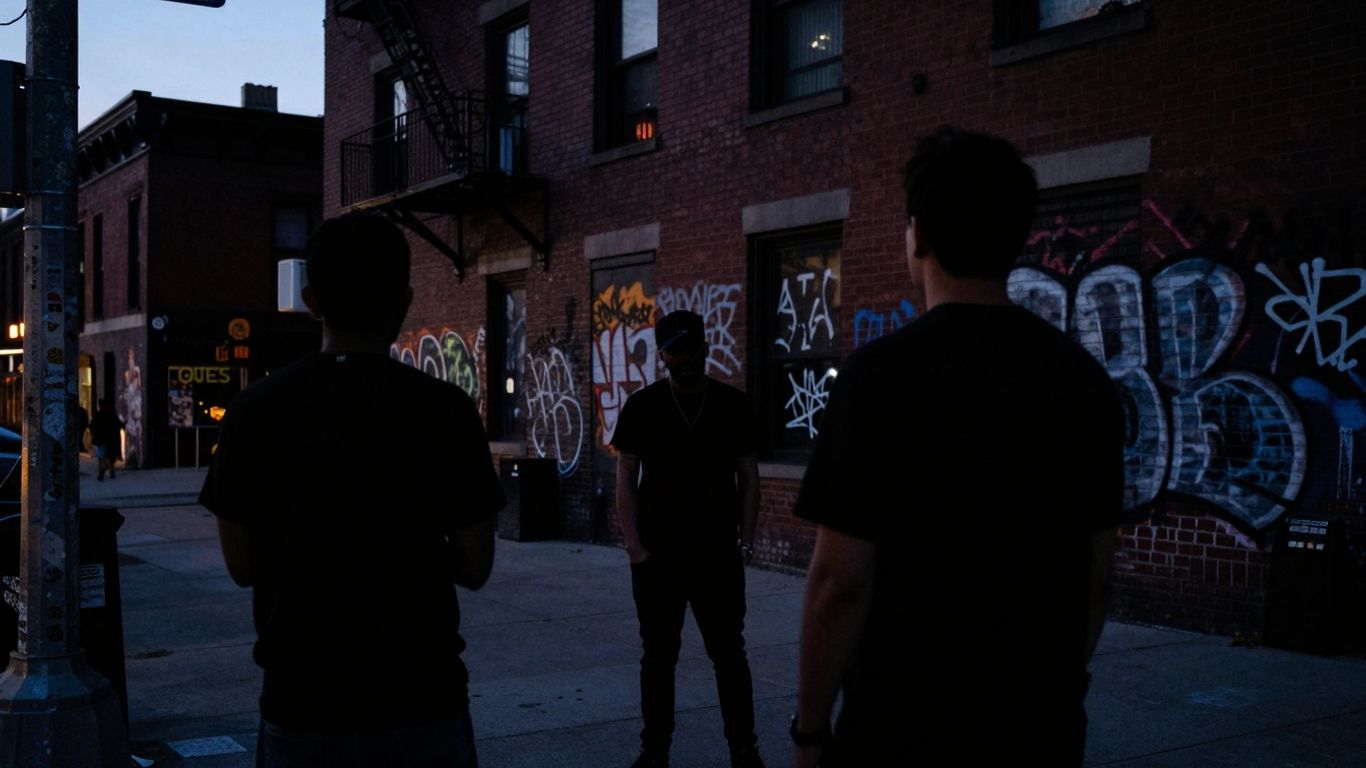
Alright, so picture this: early 2010s, Chicago's South Side. This wasn't exactly the place you'd go for a relaxing vacation, you know? It was more like the gritty, real-life backdrop for something entirely new. Out of this environment, a sound started brewing, something raw and unfiltered. It was born from the streets, reflecting the everyday hustle and the harsh realities folks were dealing with. Think less about polished studios and more about capturing the vibe right where it was happening. This wasn't just music; it was a sonic diary of a specific time and place.
The "I Don't Like" Phenomenon
Then, BAM! 2012 hits, and suddenly, everyone's talking about Chief Keef. His track "I Don't Like" wasn't just a song; it was an explosion. It went viral faster than you could say "South Side." This track was the spark that lit the whole fire. It was so raw, so unapologetic, that it caught the attention of pretty much everyone, including Kanye West. He even dropped a remix, which was like putting a megaphone to an already loud sound. This was the moment Chicago Drill officially announced itself to the world.
A "Gold Rush" For Labels
After "I Don't Like" blew up, the music industry went into a frenzy. It was like a gold rush, but instead of gold, labels were scrambling to sign any artist who sounded like they came from Chicago. Suddenly, names like Lil Reese, Lil Durk, and Fredo Santana were everywhere. Major labels, who probably hadn't even heard of the South Side before, were throwing money around, trying to capture that authentic drill sound. It was a wild time, with the scene moving from underground buzz to mainstream attention almost overnight. It really showed how much power a genuine voice from the streets could have.
The Sound And The Fury
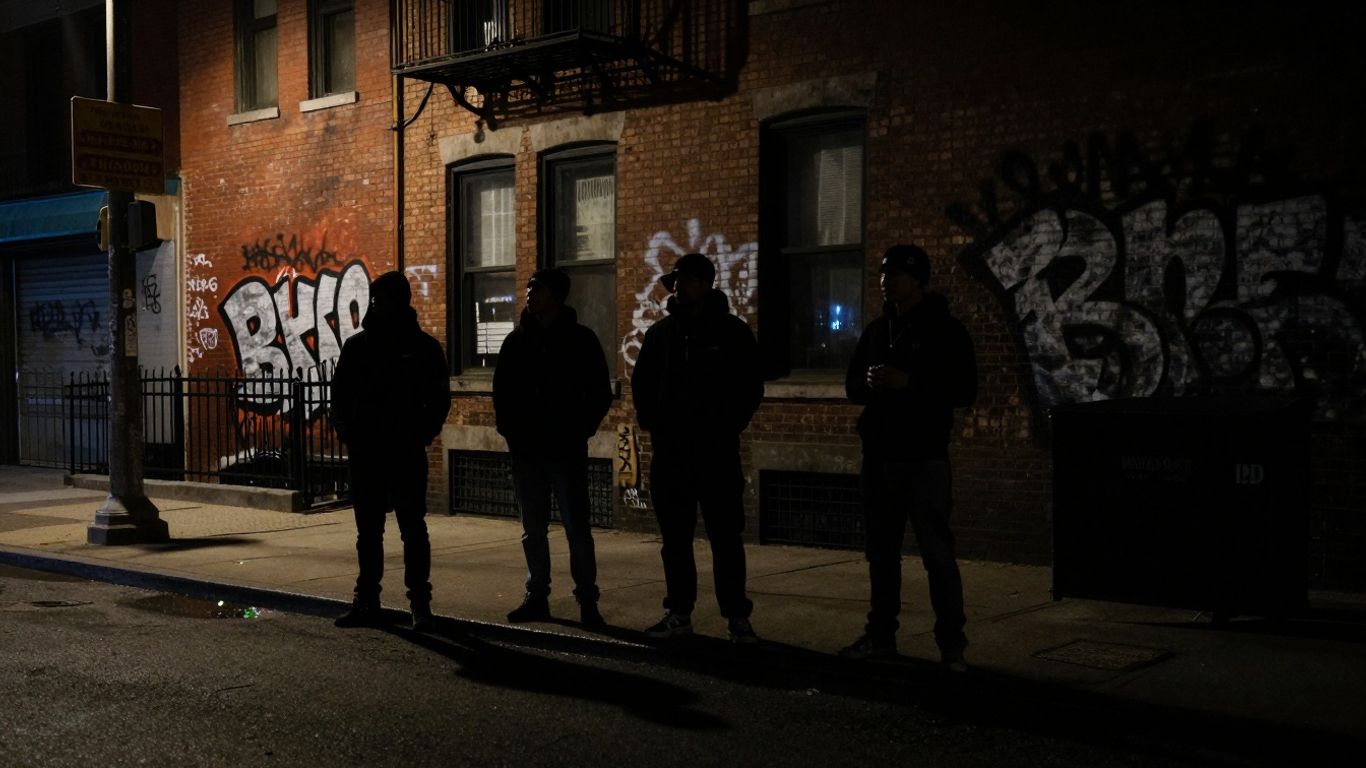
Alright, let's talk about what makes Chicago drill sound like, well, Chicago drill. Forget your sunshine and rainbows; this is the sonic equivalent of a dark alley on a Tuesday night. You're not going to find any fluffy beats here. Instead, you get these dark atmospheres that just pull you in, like a really intense movie trailer. And the lyrics? They're not messing around. It's all about blunt realism, telling it like it is, no sugarcoating. You're hearing about the streets, the struggles, and sometimes, the stuff that goes bump in the night.
Dark Atmospheres, Blunt Realism
This isn't your typical party rap. The beats themselves often feel heavy, almost menacing, with a low-end rumble that shakes you to your core. Think of it as the soundtrack to a gritty crime drama, but way more authentic. The producers were masters at creating these soundscapes that felt both vast and claustrophobic at the same time. It’s the kind of music that makes you pay attention, not because it’s loud, but because it’s so raw and honest. It’s like someone’s whispering secrets in your ear, secrets you probably shouldn’t know but can’t stop listening to. This raw honesty is a big part of why drill music became so influential.
Deadpan Delivery, Cold Vocals
And then there are the voices. You'll notice a distinct lack of emotional theatrics. The delivery is often deadpan, almost emotionless, which, paradoxically, makes the stories hit even harder. It’s like the rapper is so used to the harsh realities they’re describing that they’ve become desensitized. This cold, detached vocal style adds another layer to the unfiltered reality aesthetic. It’s not about sounding sad or angry; it’s about sounding like you’re just stating facts, even when those facts are pretty wild. It’s a style that really sets drill apart from other hip-hop genres.
The Unfiltered Reality Aesthetic
So, what’s the takeaway? It’s all about keeping it 100. The goal wasn't to be pretty or polished; it was to reflect the environment these artists came from. This meant embracing the rough edges, the imperfections, and the sometimes brutal truths. You get the sense that if it wasn't real, it wouldn't make it onto the track. It’s this commitment to authenticity that really defined the Chicago drill sound and made it resonate with so many people looking for something real in their music. It’s a whole vibe, and you can't fake it.
Fashion Forward, Street Approved
You can't talk about Chicago Drill without talking about the threads. It wasn't just about the beats and the bars; it was about the whole look, the whole vibe. And let's be real, a big part of that look came straight from the streets, influencing everything from what you wore to how you carried yourself.
True Religion: The Uniform of the Movement
Remember when True Religion jeans were everywhere? Well, you can thank Chicago Drill for that. Chief Keef basically declared himself a "True Religion Fein" back in the day, and just like that, the brand became the unofficial uniform. We're talking baggy jeans, denim jackets, maybe a baseball tee or a V-neck – it was the go-to fit. It got so iconic that years later, Chief Keef even teamed up with the brand to drop his own collection. Seriously, the influence was that big. Even now, you see newer artists rocking that same 2013 style. It’s wild how a specific look can stick.
Glo Gang's Cult Following
The Glo Gang crew, led by Chief Keef, wasn't just a music collective; they were a whole lifestyle brand. Their style was distinct, a mix of high-end streetwear and that raw, authentic feel. It wasn't just about wearing clothes; it was about owning them, making them your own. This created a serious cult following, with fans wanting to emulate that exact Glo Gang aesthetic. It was more than just fashion; it was a statement.
From Streetwear to Collaborations
The impact of Chicago Drill fashion went way beyond just jeans and jackets. It bled into how artists presented themselves in music videos, how they interacted with brands, and eventually, how they collaborated. Think about it: low-budget videos shot in the neighborhood, showcasing the realness, but always with that distinctive style. This authenticity, paired with the undeniable influence, eventually opened doors to bigger things, like official brand collaborations. It showed that street style, when backed by genuine culture, could become a major force in the fashion world. It’s a testament to how powerful a unified look can be when it comes from a place of real experience.
When The Establishment Fought Back
Mayor Emanuel's Ire
So, you thought drill music was just about beats and rhymes? Think again! When Chicago drill started blowing up, it didn't just catch the ear of music fans; it also got the attention of some pretty powerful people who weren't exactly thrilled. Mayor Rahm Emanuel, for instance, wasn't a fan. He saw the music as a direct link to the violence plaguing the city, and he wasn't shy about saying so. He even went as far as to call drill music a "menace" and tried to get police to crack down on artists and their performances. It felt like the city's leadership was trying to put the genie back in the bottle, but this genie was already out and running wild.
Concert Crackdowns and Venue Pressure
This whole pushback wasn't just talk. You started seeing actual consequences. Police began showing up at shows, sometimes shutting them down before they even started. Venues that hosted drill artists suddenly found themselves under a microscope, facing pressure from city officials. It got so bad that some places just stopped booking drill acts altogether, fearing trouble with the law or losing their licenses. It was a tough time for artists trying to get their music out there, making it harder to find places to perform and connect with their fans. It felt like a coordinated effort to silence the sound of the streets.
The Exodus to L.A. and Atlanta
When the going gets tough, the tough… move? Yeah, pretty much. With Chicago becoming a less-than-welcoming environment for drill music, many artists started looking for greener pastures. Cities like Los Angeles and Atlanta, with their own thriving hip-hop scenes, became new hubs. It wasn't just about escaping the pressure; it was also about finding new opportunities and audiences. This move, though, didn't mean the end of Chicago drill. Instead, it helped spread the sound even further, influencing new artists and scenes in these other major cities. It's kind of wild how a sound born on the South Side could end up influencing so much of the music landscape across the country, even impacting groups like ONEFOUR down in Australia who faced similar government pushback.
Chicago Drill's Global Domination
The Birth of UK Drill
So, you thought drill was just a Chicago thing? Think again! This sound, born from the gritty streets of the South Side, didn't just stay put. It packed its bags, hopped on a plane, and landed across the pond, specifically in London. The UK scene took the raw energy and dark vibes of Chicago drill and gave it its own spin. They sped up the tempo a bit, threw in some influences from their own grime and garage music, and bam! UK Drill was born. It's wild to see how artists there, like those in South London, could relate to the struggles and translate that into their own music. It’s like a musical echo, but with a totally new accent.
Brooklyn's Own Flavor
And the journey didn't stop there. This whole drill phenomenon circled back, influencing artists right here in the States, but in new cities. Brooklyn, New York, for instance, developed its own distinct drill sound. You might know some of the artists who blew up from this scene, like Pop Smoke, who really brought that Brooklyn flavor to the forefront. He even teamed up with UK producers to create something fresh. It just goes to show how music can travel and transform, picking up new elements along the way. It's a testament to the genre's adaptability and wide appeal.
Influencing Today's Trap-Pop Stars
Honestly, you can't escape drill's influence today, even if you don't realize it. Think about some of the biggest names in trap and pop music right now. Many of them have openly talked about how Chicago drill artists, especially Chief Keef, laid down the blueprint. His experimental melodies and raw delivery? That stuff became a foundation for a whole new wave of music. It's pretty cool to see how a sound that started so locally has become a global force, shaping the music you hear on the radio and streaming playlists everywhere. It's a real testament to the power of authentic street sounds.
Here's a quick look at how the sound evolved:
- Chicago Drill: Slow tempo, heavy trap beats, raw lyrics about street life.
- UK Drill: Faster tempo, sliding 808s, influences from grime, often more anonymous visuals.
- Brooklyn Drill: Blends Chicago's grit with New York's energy, often featuring a more melodic, yet still hard-hitting, sound.
It's fascinating how a genre born from specific local conditions can resonate so widely, sparking entirely new scenes across continents. The core elements might change, but the spirit often remains.
The Pioneers Who Paved The Way
Alright, let's talk about the OGs, the ones who basically kicked down the door for Chicago drill. You can't just jump into this conversation without giving props to the folks who laid the groundwork. These guys weren't just making music; they were documenting a whole reality, and doing it in a way that nobody had seen before.
Pacman: Coining The Term
So, you wanna know who actually came up with the word "drill"? That honor often goes to Pacman. It's like, he was there from the jump, seeing how things were going down on the streets and translating that raw energy into something people could hear. He was one of the first to really capture that specific vibe and give it a name. It wasn't just a random word; it described the whole gritty, survivalist mindset that was brewing.
King Louie: The Godfather
Then you've got King Louie. People call him the "Godfather" for a reason. He was instrumental in shaping the sound and getting it out there. Larro Wilson, who ran Lawless Incorporated, was all about King Louie, basically making him the first big artist for his label that was all about pushing this new drill sound. Louie's music had that authentic feel, straight from the South Side, and he really helped define what drill could be. He was doing conceptual stuff, but then dropped tracks that just hit different.
Chief Keef: The Breakout Star
And then, BAM! Chief Keef enters the chat. When his track "I Don't Like" dropped, it was like a bomb went off. Sixteen years old, and suddenly the whole world is looking at Chicago. The video, shot by DGainz, was super raw and showed parts of the city people hadn't really seen in music videos before. It wasn't polished; it was real, and that's what made it blow up. That song and its video became the blueprint for so much that came after. It showed everyone that you didn't need a major label to make a massive impact.
Lil Durk & G Herbo: Longevity and Evolution
But drill isn't just about the initial explosion. You gotta talk about Lil Durk and G Herbo. These guys took the raw energy that Chief Keef and others brought and showed you could build a whole career on it. They've managed to stay relevant, evolving their sound while still keeping that core drill essence. They've seen the ups and downs, the industry changes, and they're still here, proving that drill has staying power. It's not just a moment; it's a legacy they're actively building.
These pioneers, from coining the term to dropping iconic tracks and building lasting careers, are the reason you're even reading this article. They took their reality and turned it into a global phenomenon, and that's pretty wild when you think about it.
The music world has seen many talented individuals who changed the game. These early creators laid the groundwork for the sounds we love today. Their passion and skill opened doors for countless artists. Want to learn more about these influential figures? Visit our website to discover their stories and how they shaped music.
So, What's the Deal with Drill?
Alright, so you've heard the stories, seen the videos, and maybe even caught yourself nodding your head to a beat that sounds like it came straight from the concrete jungle. Chicago Drill wasn't just music; it was a whole vibe, a whole look, and yeah, a whole lot of drama. It popped off, got people talking (and sometimes yelling), and then, like a lot of things that get too hot, some of its biggest stars bounced to warmer weather. But here's the kicker: that raw energy? It didn't just disappear. Nah, it hopped on a plane, landed in London, and came back with a whole new accent. It influenced sounds everywhere, from the UK to Brooklyn, and you can still see its fingerprints all over the place, even in the way some rappers dress today. So next time you hear that heavy bass and those gritty lyrics, remember where it all started – a wild, unforgettable chapter in music history that you definitely don't want to forget.
Frequently Asked Questions
What exactly is Chicago Drill music?
Think of Chicago Drill as a specific style of hip-hop that popped up in the early 2010s, mainly on the South Side of Chicago. It grew out of trap music but has its own dark, raw vibe. It's known for lyrics that talk honestly about life on the streets, often in a very direct way.
How did Chicago Drill get so popular so fast?
A big moment was when Chief Keef dropped his song "I Don't Like" in 2012. It went viral online, and even Kanye West made a remix. This got major music companies really interested, and they started signing lots of Chicago artists. It was like a sudden rush to discover this new sound.
What's the typical sound and look of Chicago Drill?
The music usually has a slow beat, around 60-70 beats per minute, with heavy bass and a dark feel. The rappers often deliver their lyrics in a calm, almost emotionless way. Visually, artists were often seen wearing specific brands like True Religion jeans, creating a distinct style that became part of the movement's identity.
Why did some drill artists leave Chicago?
The music faced a lot of criticism from city officials, like Mayor Rahm Emanuel, who saw it as a problem. Police often broke up shows and put pressure on venues. Because of this pushback and safety concerns, many artists decided to move to places like Los Angeles and Atlanta where they felt they had more opportunities and less trouble.
Did Chicago Drill influence music outside of Chicago?
Absolutely! It's the reason we have styles like UK Drill, which started in London and has its own fast-paced sound. It also influenced Brooklyn Drill in New York. Even today's popular trap artists often take inspiration from the sounds and styles pioneered by Chicago drill artists.
Who were some of the key artists who started Chicago Drill?
There are a few names you should know. Pacman is credited with coming up with the term 'drill.' King Louie is often called the 'godfather' for his early work. Chief Keef was the big breakout star who brought it to the mainstream. And artists like Lil Durk and G Herbo are known for sticking around and evolving the sound over time.