
Remember the 90s? It was a time when music and style went hand-in-hand, and 90s hip hop fashion was a huge part of that. You probably saw these looks everywhere, from music videos to the streets. If you're feeling that wave of nostalgia or just digging the vibe, you're in luck because those trends are back. Let's take a look at some of the key pieces that defined the 90s hip hop look.
Key Takeaways
- Timberland boots, once workwear, became a symbol of New York hip hop style, worn by everyone from Biggie to Tupac.
- Baggy denim was everywhere, popularized by artists like MC Hammer and adopted by West Coast rappers like Tupac and Eazy-E.
- Oversized t-shirts, initially seen as basic, became a fashion statement thanks to artists like Biggie Smalls and Jay-Z.
- Bucket hats, often branded by Kangol, were a popular accessory, frequently seen on members of Wu-Tang Clan and EPMD.
- Leather jackets, especially from brands like Avirex and Pelle Pelle, transformed from streetwear into luxury items thanks to their adoption by prominent rappers.
1. Timberland Boots
Alright, let's talk about the boots that practically defined an era: Timberlands. You know the ones – that classic tan nubuck, the sturdy build, the unmistakable yellow stitching. These weren't just shoes; they were a statement. Originally built tough for work, they somehow found their way onto the feet of pretty much everyone who was anyone in '90s hip-hop. Seriously, if you wanted to look the part, you needed a pair of these.
Think about it. You'd see them everywhere, from the streets of New York to music videos. They were the perfect blend of rugged durability and street style. Whether you were rocking them with baggy jeans or even dungarees, they just worked. They gave you that instant cool factor, that ready-for-anything vibe. Plus, they were built to last, which, let's be honest, was a big deal when you were out and about.
These boots weren't just about fashion; they were a symbol of resilience and authenticity. They represented a connection to the streets and a no-nonsense attitude that was central to the hip-hop culture of the time.
It's pretty wild how a work boot became such a fashion icon, right? But that's the magic of how culture influences style. They offered great traction and kept your feet warm and dry, which was super important if you were spending a lot of time outdoors. It’s no wonder artists like Biggie and Nas were always pictured in them. You can still find tons of great options if you're looking to cop a pair today, and they're still a solid choice for adding that authentic '90s flair to your look. Check out some of the history behind these iconic boots here.
2. Baggy Denim
Alright, let's talk about the jeans that basically defined an era: baggy denim. Seriously, if you were around in the 90s, chances are you had at least one pair of these bad boys. We're not talking about your average slim-fit here; we're talking about jeans with room. Think MC Hammer's iconic pants, or the kind of denim that could hide a small family in each leg. It was all about comfort, sure, but it was also a statement. It said, 'I'm here, I'm relaxed, and I'm not worried about fitting into any tight molds.'
These weren't just any old jeans; they were a canvas. You'd see them paired with oversized t-shirts, jerseys, or even nothing at all, letting the sheer volume of the denim do the talking. Brands like FUBU and Phat Farm really leaned into this, making denim a cornerstone of hip-hop fashion. It was a look that was both laid-back and undeniably cool, a perfect blend for cruising the streets or just chilling with your crew.
Baggy denim wasn't just a trend; it was a rejection of the tighter fits that came before. It was about freedom of movement and a relaxed attitude that perfectly matched the vibe of 90s hip-hop.
Here's a quick rundown of why baggy denim was so huge:
- Comfort is King: Seriously, you could move in these. No restriction, just pure, unadulterated comfort.
- The Statement Piece: They were bold. They said you weren't afraid to take up space.
- Versatility: Dress 'em up (kinda) or down, they worked with almost everything.
- Cultural Hug: From music videos to everyday wear, baggy jeans were everywhere, embraced by everyone from rappers to skaters.
So, next time you see someone rocking some seriously wide-leg jeans, give them a nod. They're probably channeling that same 90s spirit of comfort and unapologetic style. It's a look that proves you don't need to be tight to be right.
3. Oversized T-Shirts
Alright, let's talk about the humble oversized t-shirt. You know the one – the tee that feels like you borrowed it from your older sibling, or maybe even your dad. In the 90s hip-hop scene, this wasn't just a shirt; it was a statement. Think Biggie Smalls or Tupac, rocking these massive tees that practically swallowed them whole. It was all about comfort, sure, but it was also about projecting a certain laid-back confidence. These weren't just baggy; they were a canvas for self-expression.
Forget your perfectly tailored fits for a second. The oversized tee was your go-to for everything. Chilling with friends? Check. Heading to a show? Double-check. It was the ultimate versatile piece. You could layer it, tie it up, or just let it hang loose. It was the foundation for so many iconic looks, often paired with baggy jeans and some fresh sneakers. It’s that feeling of freedom, of not being restricted by your clothes, that really defined the vibe.
Here’s how you can rock that oversized tee look today:
- Go for the classic white or black: These are timeless and go with literally anything.
- Layer it up: Throw a flannel shirt or a denim jacket over it.
- Accessorize: Add a chain, a bucket hat, or some cool shades to complete the look.
- Play with proportions: Pair your oversized tee with slimmer pants or shorts to balance things out, or go full 90s with even baggier bottoms.
The beauty of the oversized t-shirt is its sheer simplicity. It doesn't try too hard, and that's exactly why it works. It's about feeling good and looking effortlessly cool, a principle that never really goes out of style.
4. Bucket Hats
Alright, let's talk bucket hats. These weren't just some random accessory; they were a whole vibe back in the 90s hip-hop scene. Think LL Cool J rocking one in the late 80s, and then BAM, the Wu-Tang Clan and EPMD made them a staple. You couldn't escape that iconic Kangol logo popping up everywhere. It was like the unofficial uniform for looking cool and a little bit mysterious.
These hats were more than just shade providers; they were statement pieces. They added that perfect finishing touch to an outfit, whether you were going for a laid-back look or something a bit more street-smart. They were versatile, too. You could wear them forwards, backwards, or tilted just so. It was all about how you rocked it.
Here's the lowdown on why they were so popular:
- Street Cred: They instantly signaled you were tapped into the hip-hop culture.
- Practicality: Kept the sun out of your eyes during those long summer days or added a bit of warmth when it got chilly.
- Style Versatility: Looked good with everything from baggy jeans to tracksuits.
The bucket hat became a symbol of effortless cool, a go-to for artists who wanted to project a certain image without trying too hard. It was simple, effective, and undeniably stylish.
Even today, you'll see artists like Earl Sweatshirt and ScHoolboy Q rocking them, proving that this classic headwear has serious staying power. So next time you see a bucket hat, remember its roots – it’s a piece of hip-hop history you can wear right on your head.
5. Leather Jackets
Alright, let's talk about the leather jacket. You know the one. It wasn't just some random piece of clothing; it was a statement. Think of those iconic Avirex jackets, the ones rappers like Nas and Biggie rocked in their music videos. Suddenly, this wasn't just street gear anymore; it was the look.
These weren't your dad's boring leather coats. We're talking about jackets with serious attitude, often featuring bold designs and a fit that said you weren't messing around. Brands like Pelle Pelle, with their artistic flair, made sure their jackets stood out. They weren't trying to follow trends; they were setting them.
Wearing a leather jacket in the 90s meant you were part of the culture. It was about projecting confidence, a certain swagger that came with the territory.
Here's a quick rundown of why they were so big:
- Brand Power: Avirex and Pelle Pelle became household names, synonymous with hip-hop style.
- Visual Storytelling: Rappers used these jackets to define their image in music videos and public appearances.
- Street Cred: They were a symbol of authenticity and belonging within the urban landscape.
These jackets weren't just about looking cool; they were a badge of honor, a way to express identity in a rapidly evolving cultural scene. They represented a blend of toughness and style that was totally unique to the era.
6. Air Jordans
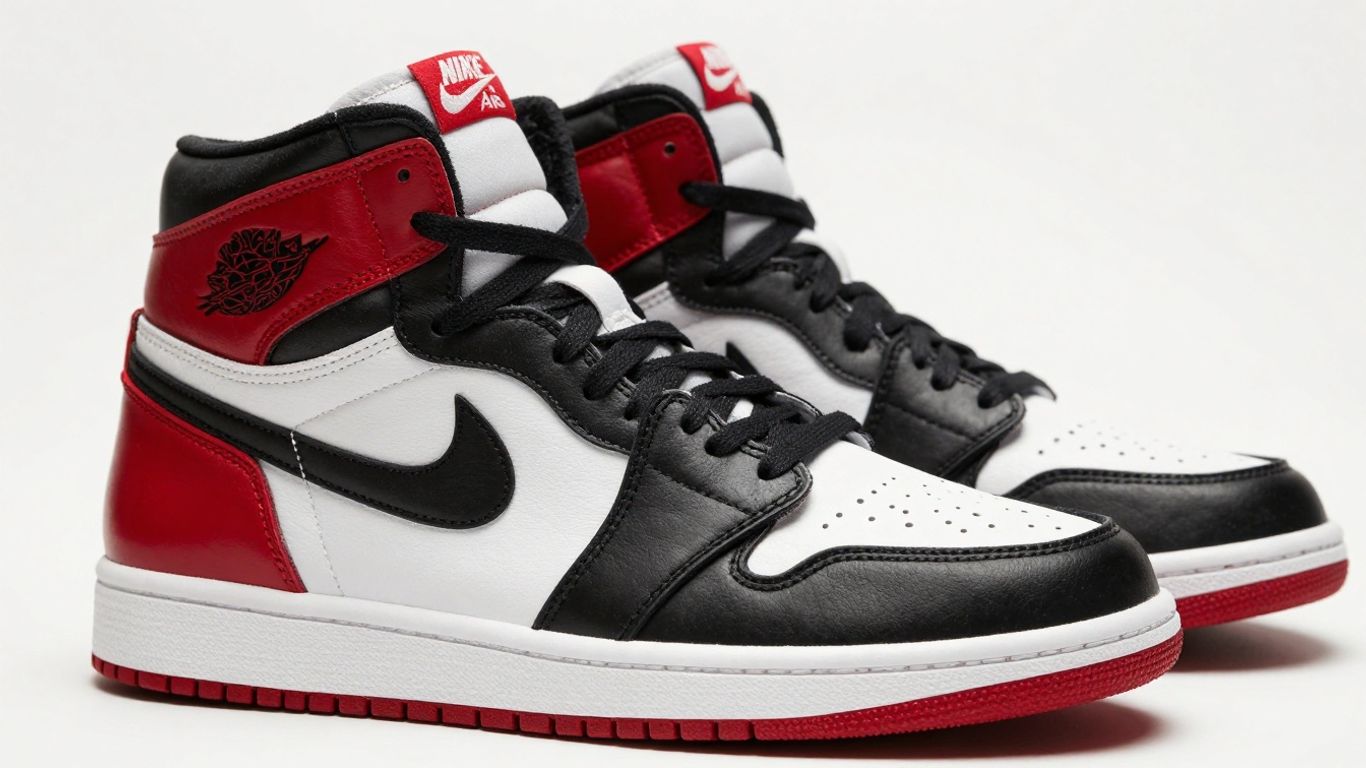
Okay, let's talk about the shoes that basically invented sneaker culture as we know it. Before Air Jordans, sneakers were just… shoes for sports. Wild, right? But then Michael Jordan teamed up with Nike, and BAM! Suddenly, you had these iconic kicks that were way more than just athletic gear. They were a statement.
It wasn't just about looking cool, though that was a huge part of it. These weren't just shoes; they were a piece of history, a symbol of aspiration. Remember Spike Lee's commercials? "It's gotta be the shoes!" He wasn't kidding. These sneakers became a phenomenon, the first real chapter in what we now call 'sneakerhead' culture. People lined up, traded, and obsessed over every new colorway. It was a whole new ballgame for footwear.
The rise of the Air Jordan line wasn't just a marketing win for Nike; it fundamentally changed how people viewed athletic shoes, turning them into coveted fashion items and collectibles.
Here's a quick look at some of the early heavy hitters:
- Air Jordan 1 (1985): The OG. Banned by the NBA (or so the legend goes), which only made them more desirable.
- Air Jordan 3 (1988): Introduced the Jumpman logo and that iconic elephant print. A game-changer.
- Air Jordan 11 (1995): That patent leather. Sleek, futuristic, and worn by MJ during his epic comeback. Pure fire.
These weren't just for ballers; they were for everyone who wanted a piece of that winning spirit. Air Jordans weren't just shoes; they were a cultural force.
7. Dungarees
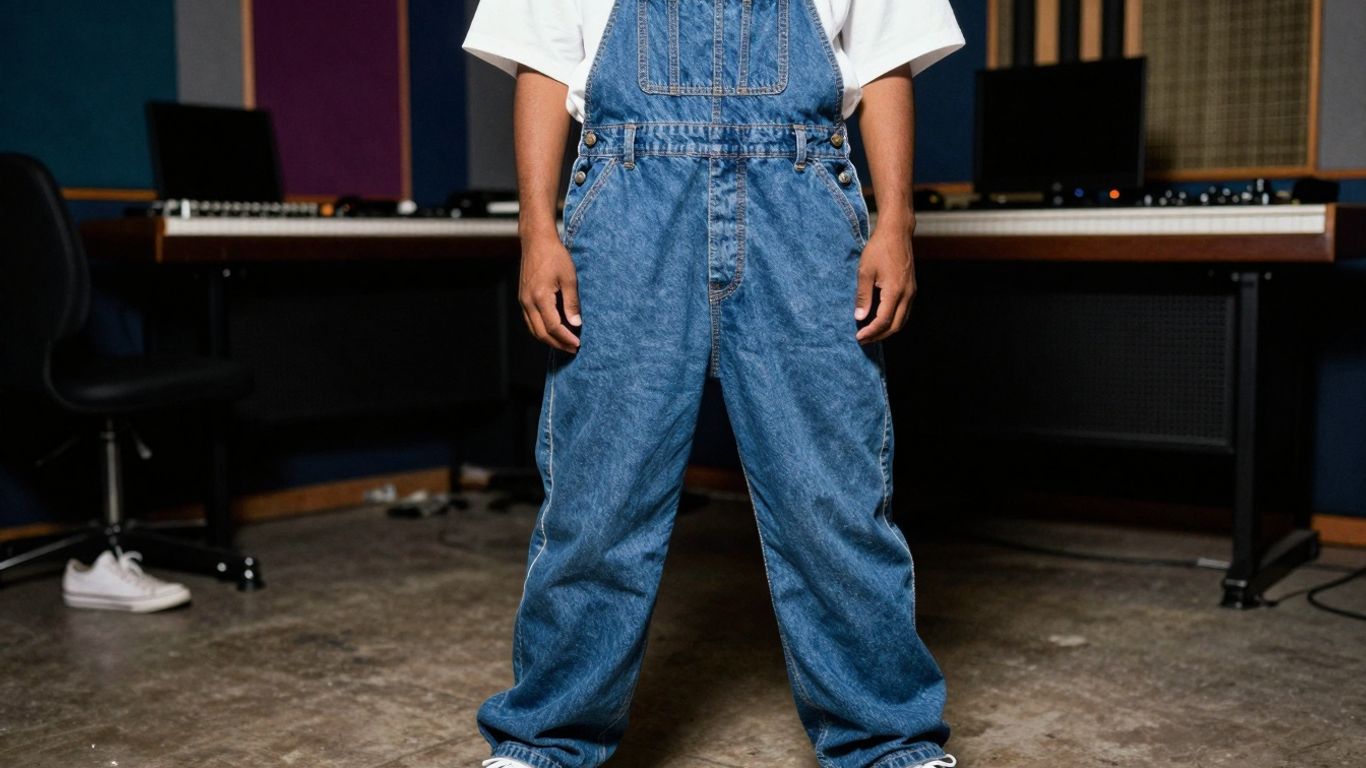
Alright, let's talk about dungarees, or as some of us might call them, overalls. These bad boys went from being purely functional workwear to a full-blown fashion statement in the 90s hip-hop scene. Seriously, who would have thought a pair of denim overalls could be so cool?
You could rock them in so many ways! Whether you went for a super baggy fit or something a bit more streamlined, dungarees were your go-to. You could strap both up, or for that extra bit of swagger, leave one strap undone. They looked killer with a simple t-shirt, a cozy hoodie, or even just on their own if you were feeling bold.
It wasn't just about the fit, though. The material mattered too. While denim was king, you also saw them in other fabrics, adding to their versatility.
Here’s a quick rundown of how people styled them:
- The Classic: Baggy denim dungarees with a plain white tee and some fresh sneakers.
- The Layered Look: Over a brightly colored hoodie, perfect for those cooler days.
- The Minimalist: One strap down, paired with a simple tank top.
These weren't just for any old day; they were a staple for artists like TLC, The Fugees, and Will Smith. They became a symbol of a relaxed yet stylish vibe that defined an era. If you're looking to snag a pair today, you might find some awesome vintage finds or even modern interpretations. Just be sure to check out places that offer detailed sizing, like Mecca Workwear Division, to get that perfect fit.
Dungarees really proved that you could take something practical and turn it into a canvas for self-expression. They were comfortable, they were durable, and they looked undeniably cool, making them a perfect fit for the hip-hop aesthetic.
8. Puffy Jackets
Alright, let's talk about the puffy jacket. You know the one – that big, marshmallow-like coat that looked like you could survive a blizzard in it? Yeah, those. They weren't just for keeping warm when you were out on those cold city streets, though that was definitely their main gig. Think about it: you're hanging out, maybe waiting for the bus or just chilling with your crew, and it's freezing. You needed something that was basically a portable heater.
These jackets, often from brands like The North Face or Helly Hansen, were born out of necessity. They were designed for function, pure and simple. But then, something cool happened. People in cities, especially on the East Coast, started rocking them. They took this super practical piece of gear and made it look good. It was like they were saying, 'Yeah, it's cold, but we're still going to look fly.'
The puffy jacket became a symbol of urban style, proving that even the most utilitarian items could be transformed into fashion statements. It’s wild how something so basic, designed just to keep you from freezing, ended up being such a huge part of the hip-hop look. It’s a testament to how style can pop up anywhere, even on a chilly street corner.
Here's the lowdown on why they were so popular:
- Warmth Factor: Seriously, these things were like wearing a sleeping bag. Perfect for those long nights.
- Street Cred: Seeing rappers rock them in music videos and out and about instantly made them cool.
- Versatility (Kind Of): While not exactly high fashion, they went with pretty much everything you wore on the street – jeans, hoodies, you name it.
It's funny to think that something so bulky and, let's be honest, a little goofy-looking, became such an iconic piece of 90s hip-hop fashion. They were the ultimate blend of practicality and swagger.
9. Plaid & Check Flannel
Alright, let's talk flannel. You might think of flannel as just something your grandpa wears, but back in the 90s, it was a whole vibe in hip-hop. Seriously, this stuff was everywhere. It was like the unofficial uniform for blending in while still looking cool. Think about it: you could throw a flannel shirt over a graphic tee, tie it around your waist when it got warm, or just rock it open. It was the perfect way to add a splash of color or pattern without going overboard.
This versatile fabric became a bridge between the ruggedness of grunge and the laid-back cool of hip-hop. It was affordable, easy to find, and honestly, super comfortable. Plus, you could wear it in so many ways. It wasn't about being flashy; it was about a relaxed, effortless style that felt authentic. You'd see it on artists and fans alike, a staple that just worked.
Here's the lowdown on why flannel was such a big deal:
- Affordability: You didn't need to drop a ton of cash to get a decent flannel shirt. This made it accessible to everyone.
- Versatility: Wear it open, closed, tied around your waist, layered – the possibilities were endless.
- Comfort: Let's be real, flannel is soft and cozy. Perfect for just hanging out.
- Style Fusion: It bridged the gap between different music scenes, making it a universally accepted piece.
It was the kind of item that just made sense. You could wear it to a show, to a party, or just to chill. It was practical and stylish all at once, which is probably why it stuck around.
10. Clarks Wallabees
Alright, let's talk about a shoe that might seem a little out there at first glance but was a total game-changer in the 90s hip-hop scene: the Clarks Wallabee. You might be thinking, 'Wait, those comfy-looking moccasin-style shoes?' Yep, those are the ones! While they might not scream 'street style' to everyone, they were a massive part of the look, especially thanks to one iconic group.
The Wu-Tang Clan basically made the Wallabee a hip-hop staple. Seriously, these guys rocked them constantly, and when the Wu-Tang Clan did something, the rest of the culture paid attention. Their debut album, Enter the Wu-Tang (36 Chambers), didn't just shake up the music world; it influenced fashion in a big way, and the Wallabee was right there with it. It was a different vibe from the flashy sneakers or rugged boots you might expect, offering a more understated, yet still distinctive, look.
Why were they so popular? Well, they were different. They offered a unique silhouette that stood out. Plus, they were surprisingly versatile. You could dress them up a bit or keep it super casual. They had that understated cool factor that really clicked with the era's evolving style.
Here's a quick rundown of why they hit different:
- Unique Design: That distinctive moccasin construction and crepe sole were instantly recognizable.
- Wu-Tang Approved: Their consistent wear by the Clan gave them serious cred.
- Comfort & Style: They managed to be both comfortable for everyday wear and stylish enough to be a fashion statement.
These shoes weren't just footwear; they were a statement of individuality within the broader hip-hop fashion landscape. They proved that style wasn't just about the loudest or the most expensive, but also about having a unique perspective.
So next time you see a pair of Wallabees, remember they're more than just a shoe – they're a piece of hip-hop history.
Thinking about classic shoes? Clarks Wallabees have been a cool choice for a long time. They're known for being comfy and looking good with almost anything. If you want to step up your shoe game, check out our collection. Visit our website today to find your next favorite pair!
So, What's the Deal?
Alright, so we've taken a trip down memory lane, right? From baggy jeans that could hide a small family to Timberlands that probably weighed more than your average house cat, the 90s hip-hop vibe is back, and honestly, it never really left. It’s more than just clothes; it’s that whole attitude, that confidence, that feeling of just being you, loud and proud. So whether you're digging through your parents' old closet or hitting up the thrift store, don't be afraid to rock that oversized jersey or those chunky boots. You might just find your new favorite look. And hey, if anyone asks, you can totally say you were into it 'before it was cool'… even if that was like, thirty years ago. Go on, have some fun with it!
Frequently Asked Questions
Why are 90s hip-hop styles coming back now?
It's like a blast from the past! Lots of people feel a connection to the 90s because it was before everything went digital. Plus, current streetwear brands often take inspiration from that era's style, making it feel fresh again. It's a mix of remembering good times and seeing cool old styles updated for today.
What's the deal with baggy clothes in 90s hip-hop fashion?
Think of it as comfort meets cool. Baggy jeans, oversized t-shirts, and loose-fitting pants weren't just about looking relaxed; they allowed for freedom of movement, which was great for dancing or just chilling. Artists like MC Hammer really made loose fits super popular.
Were Timberland boots really that important back then?
Absolutely! Those tan Timberland boots were tough enough for work but became a huge style symbol in hip-hop, especially in New York. So many rappers and artists wore them, making them a must-have item for anyone wanting that authentic 90s look.
How did sneakers become such a big deal in the 90s?
Before the 90s, sneakers were mostly just for sports. But when Michael Jordan teamed up with Nike for Air Jordans, it totally changed things. Suddenly, sneakers were cool and collectible, kicking off the whole 'sneakerhead' culture we see today.
What kind of hats were popular in 90s hip-hop?
Bucket hats were huge! You'd see them everywhere, especially worn by artists from groups like Wu-Tang Clan. Kangol was a really popular brand for these hats, and they added a distinct vibe to many outfits.
Can I wear 90s hip-hop fashion today without looking like I'm in a costume?
Definitely! The key is to mix and match. You could pair some baggy jeans with a more modern top, or wear a vintage-inspired flannel shirt with your favorite jeans. It's all about taking those iconic pieces and making them fit your own style for today.