

Ever feel like you're leaving money on the table? Pricing your products or services can feel like a guessing game, but it doesn't have to be. There are actually tried-and-true tactics that can help you boost sales without alienating customers. We're talking about smart pricing strategies that make people feel like they're getting a deal while still lining your pockets. Let's break down some of the best ways to beat pricing and see your sales climb.
Key Takeaways
- Psychological pricing, like ending prices in .99, makes items seem cheaper and can encourage impulse buys.
- Dynamic pricing adjusts prices based on demand, which can maximize profits but might upset some customers.
- Penetration pricing uses low initial prices to attract new customers and gain market share, with plans to raise prices later.
- Premium pricing sets high prices to create a sense of exclusivity and quality, appealing to customers who value the best.
- Bundling multiple items into a package deal can make customers feel they're getting more for their money and increase overall sales.
The Art Of The 'Almost' Price: Mastering Psychological Pricing
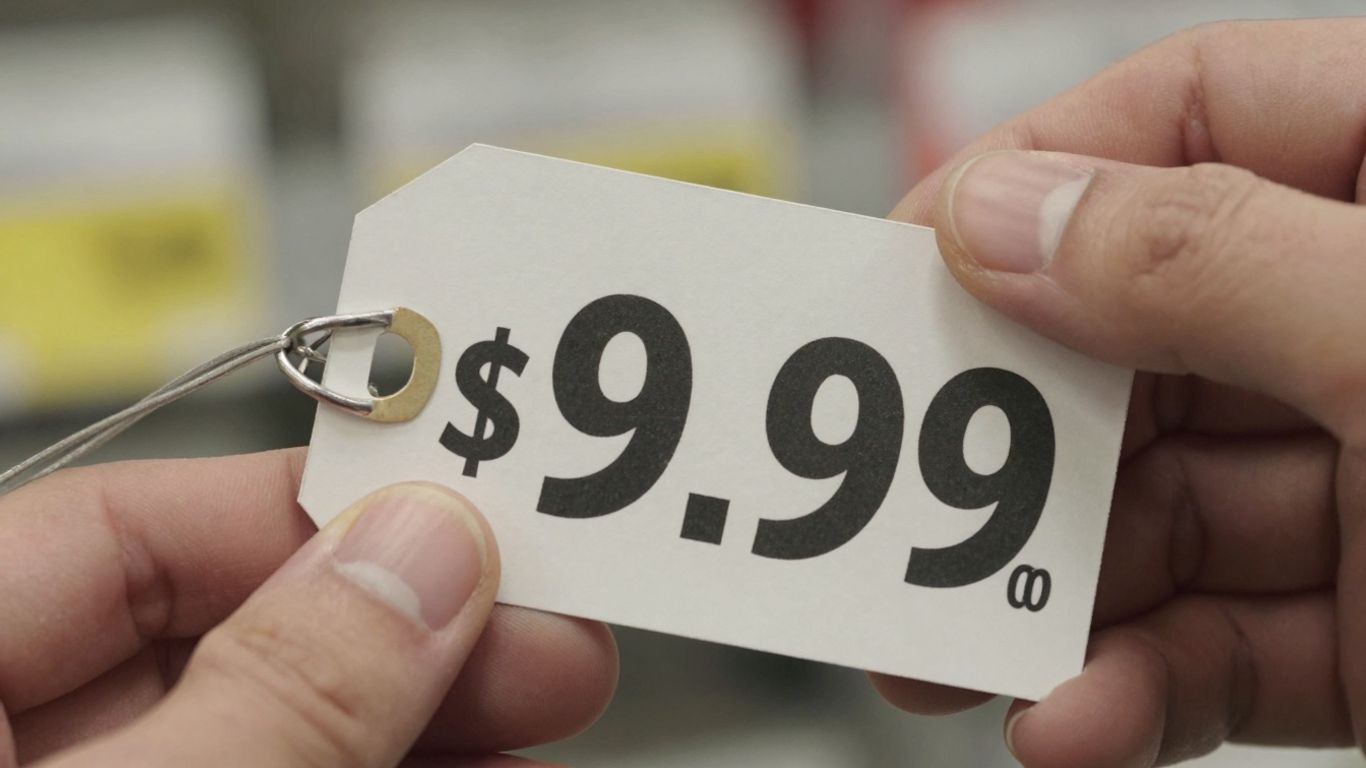
Ever walked into a store, seen a price tag that made your eyes do a little happy dance, and suddenly, you needed that thing? Yeah, you've been hit by psychological pricing. It's all about playing with your brain to make you feel like you're snagging a deal, even if the difference is, like, a single penny. It’s sneaky, it’s effective, and honestly, it’s kind of fun to know how it works.
Why $9.99 Feels Like A Steal
So, why does $9.99 feel so much better than $10.00? It's called the left-digit effect. Our brains are wired to focus on the first number we see. When you see $9.99, your brain registers the '9' and immediately thinks 'cheaper!' than the '10' in $10.00. It's a tiny shift, but it makes a big difference in how we perceive value. It’s like seeing a speed limit sign that says 59 mph instead of 60 mph – somehow, it feels less restrictive, right?
The '99' Effect: Triggering Impulse Buys
This is where the magic (or maybe the trickery?) happens. Ending prices with .99, .95, or .97 is a classic move. It signals to your brain, "This is a bargain!" It’s a subtle nudge towards an impulse purchase. Think about it: you're browsing online, you see a shirt for $29.99 and another for $31.00. Which one are you more likely to click on first? The $29.99 one, obviously. It’s a tried-and-true method for getting people to buy things they might not have even been looking for.
Here’s a quick peek at how it works:
- $19.99 vs. $20.00: Your brain sees $19 and immediately categorizes it as 'under $20'.
- $49.50 vs. $50.00: The .50 makes it feel like a deliberate discount, not just a rounded number.
- $9.97 vs. $10.00: The '97' is often seen as an even deeper discount than .99.
Beware The Bargain Basement Blues
Now, while ending prices in .99 is great for a quick sale, there's a flip side. If everything you sell is priced like that, customers might start to think your stuff is cheap or low quality. They might also get used to always seeing those prices and expect them, making it harder to ever raise them later. It’s like always eating candy – eventually, you crave something more substantial, or you just get a stomach ache. You want to be seen as offering good value, not just being the cheapest.
Sometimes, a simple, round number like $50 can actually signal quality and confidence. It tells the customer you know your product is worth that exact amount, no funny business required.
So, use that .99 trick wisely! It’s a powerful tool, but like any good tool, it’s best used with a bit of thought and strategy.
Dynamic Pricing: Riding The Waves Of Demand Like A Pro
Ever notice how ride-share prices go bonkers on a Friday night or during a sudden downpour? That’s dynamic pricing at play, and it’s not just for taxis. This is where you let the market dictate your prices, adjusting them on the fly based on how much people want your stuff and how much of it you have.
When Demand Surges, So Do Prices (And Profits!)
Think of it like a concert ticket. When everyone wants to see the band, those tickets get pricey, right? Dynamic pricing works the same way. If a ton of people suddenly want your product or service, you can nudge the price up a bit. Conversely, if things are a little slow, you might lower prices to get folks interested. It’s all about matching your price to what the market will bear right now.
Algorithms Are Your New Best Friend
Manually tweaking prices all day is exhausting and, let's be honest, probably not very accurate. That’s where technology swoops in. Sophisticated software can track demand, competitor prices, even the weather, and adjust your prices automatically. It’s like having a super-smart assistant who’s always watching the market and making the best pricing decisions for you. You can set rules, or let the algorithm learn and adapt over time. It’s pretty wild stuff.
Is Your Business Ready For The Price Rollercoaster?
Dynamic pricing isn't for every business, though. If you sell something with a fixed price tag that customers expect to stay the same, constantly changing it might just annoy them. Imagine your favorite coffee shop suddenly charging double because it’s raining! However, if you offer services or products where prices naturally vary – like custom projects, event tickets, or even airline seats – this could be your golden ticket.
Here’s a quick look at who it might work for:
- Businesses with fluctuating demand: Think seasonal products, event services, or anything tied to specific times or events.
- Companies with real-time data: If you can track sales, inventory, and competitor pricing easily, you’re in a good spot.
- Service-based businesses: Custom quotes and project-based pricing lend themselves well to this strategy.
Be aware that while dynamic pricing can boost profits, frequent changes can sometimes make customers feel like you're being unpredictable. It’s a balancing act between maximizing revenue and keeping your customers happy and trusting your brand.
It might sound complicated, but when done right, letting your prices dance with demand can seriously boost your bottom line. Just make sure you’re ready for the ride!
Penetration Pricing: The 'Welcome Mat' Strategy For Newbies
So, you've got a shiny new product or service, and you're ready to take on the world. But wait, the market's already packed tighter than a can of sardines. How do you get people to even notice you, let alone buy from you? Enter penetration pricing, your business's friendly "come on in!" sign. It's all about setting a super low initial price to lure customers in, basically saying, "Hey, give us a shot! You won't break the bank."
Luring Customers In With Low Prices
Think of it like this: you're the new kid on the block, and everyone else has been established for ages. Instead of trying to out-fancy them, you offer a killer deal. This low price is your hook. It makes trying your new offering a no-brainer, especially if your competitors are charging a premium. You're not just selling a product; you're selling a chance for customers to get a good deal and maybe discover their new favorite thing. It's a fantastic way to get your foot in the door and start building a customer base. This strategy is particularly effective when you're entering a market where customers are really sensitive to price, and there are already a bunch of similar options out there. You're essentially saying, "I'm cheaper, and I'm worth a look." It's a bold move, but it can really pay off.
Gaining Market Share, One Low Price At A Time
This isn't just about making a quick buck (or, well, a small initial buck). The real goal here is to grab a chunk of the market. By offering a lower price, you're encouraging people to switch from their usual brands to yours. It's a numbers game: the more people you attract with your sweet deal, the more market share you gain. Plus, as you sell more, you might start seeing those sweet, sweet economies of scale, which can lower your cost per unit. It’s a win-win: customers get a deal, and you start building a loyal following and potentially reducing your production costs. This approach helps you stand out when everyone else is doing the same old thing. You can even use it to try and set a new standard in your industry, like some video game console makers do by selling consoles cheap and making money on the games.
The trick with penetration pricing is to remember it's a strategic move. You're not just slashing prices for fun; you're doing it to achieve a larger goal, like getting a significant number of customers quickly. It’s about building volume to eventually make more profit.
The Price Hike Tightrope Walk
Okay, so you've lured them in with your bargain-basement prices. Awesome! But here's the tricky part: eventually, you'll probably want to raise those prices. This is where you have to walk a tightrope. If you hike prices too quickly or too much, you risk alienating the very customers you worked so hard to attract. They might feel tricked or just go back to their old habits. The key is to do it gradually and, more importantly, to make sure your product or service is so good by then that customers are willing to pay more. You want them to think, "Yeah, it's a bit more expensive now, but it's totally worth it." Building that loyalty and proving your value before you raise prices is absolutely critical. It’s about transitioning from being the cheap option to being the best option, even if it costs a little more. You're aiming to attract new customers and build brand awareness, but don't forget the long game of profitability.
Premium Pricing: When Only The Best Will Do
Setting The Bar High For Exclusivity
So, you've got a product or service that's, well, pretty darn special. Maybe it's crafted with unicorn tears, or perhaps it solves a problem so niche, only a select few even know they have it. This is where premium pricing struts onto the stage. It's not about being the cheapest; it's about being the best. Think of it as putting on a fancy gala instead of a backyard barbecue. You're not just selling a product; you're selling an experience, a status, a little slice of awesome that others can only dream of. Brands like Gucci or Rolls-Royce don't just sell you a handbag or a car; they sell you a ticket to a club. You're aiming for customers who appreciate quality and are willing to pay for it.
The 'You Get What You Pay For' Philosophy
This is where you lean into the idea that higher price equals higher quality. It’s a classic psychological trick, and it works because, let's be honest, sometimes it's true! If you're offering something truly superior – maybe it's built to last a lifetime, has features nobody else has, or comes with customer service so good you'll want to send thank-you notes – then a higher price tag actually reinforces that perception. It tells your customers, "Yep, this is the good stuff, and it's worth every penny." It’s about building trust and making sure your customers feel like they've made a smart investment, not just a purchase. You want them to feel a little bit smug about their choice, actually.
Standing Out In A Sea Of Sameness
In a market flooded with options, how do you make sure your business doesn't just blend in? Premium pricing can be your secret weapon. By positioning yourself at the higher end, you automatically create a sense of exclusivity. It’s like having a velvet rope around your business. This strategy helps you attract a specific type of customer – one who values quality, uniqueness, and perhaps a bit of prestige. It’s not for everyone, and that’s the point! You're not trying to be the bargain bin; you're aiming to be the curated collection. This approach can lead to higher profit margins, but it requires a solid understanding of your target audience and a product that genuinely backs up the price tag. Remember, you need to clearly communicate why your product is worth more. Is it the materials? The craftsmanship? The unparalleled support? Shout it from the rooftops!
Here's a quick look at what makes premium pricing tick:
- Superior Quality: Your product or service is objectively better.
- Unique Features: You offer something competitors don't.
- Exceptional Service: The customer experience is top-notch.
- Strong Brand Image: You've cultivated an aura of luxury or exclusivity.
When you charge a premium, you're not just asking for more money; you're making a promise. It's a promise of quality, of an experience, of something truly special that justifies the higher cost. Your marketing needs to hammer home this value, making it crystal clear why your offering is a cut above the rest. Don't be shy about it!
Bundle Up Your Sales: The Power Of Package Deals
Ever feel like you're just selling one thing at a time, and it's a bit… lonely? Well, it's time to play matchmaker with your products and services! Bundle pricing is like throwing a party for your items, inviting them to hang out together at a special, slightly discounted price. Think about it: customers get more bang for their buck, and you get to move more inventory. It’s a win-win, really.
More Bang For Their Buck
Customers love feeling like they're scoring a deal. When you package a few related items together for less than they'd cost individually, you're basically giving them permission to buy more. It’s like buying a combo meal at a restaurant – you get a burger, fries, and a drink for a price that’s better than ordering each separately. This strategy makes people feel smart about their purchases, even if they end up spending a bit more overall than they initially planned. It’s all about perceived value, and who doesn't love that?
Selling More By Selling Together
This is where the magic happens. Bundling is a fantastic way to introduce customers to products they might not have considered otherwise. Maybe you have a popular item and a less popular one that complements it perfectly. Package them up, and suddenly, that overlooked item gets a spotlight. It’s a great way to clear out stock, especially if you have items that are seasonal or just not flying off the shelves on their own. Plus, it simplifies the buying process for your customers – they see a complete solution rather than having to piece things together themselves. For example, a skincare brand might bundle a cleanser, moisturizer, and serum, offering a complete routine at a tempting price. This makes it easier for customers to make a purchase decision.
The Sweet Spot Of Savings
Finding the right balance for your bundles is key. You don't want to discount so much that you're losing money, but it needs to be attractive enough to make customers feel like they're getting a genuine deal. A good rule of thumb is to offer a discount that feels significant but still leaves you with a healthy profit margin. Consider what your customers are likely to buy together. Think about complementary products or services that naturally go hand-in-hand.
Here’s a quick way to think about it:
- Identify complementary products: What items do people often buy together?
- Calculate individual prices: Know the cost and selling price of each item.
- Determine bundle discount: Aim for a discount that feels substantial (e.g., 10-20%) but protects your profit.
- Test and adjust: See how customers respond and tweak your bundles as needed.
Bundling isn't just about slapping a few things together; it's about creating a curated experience that offers convenience and perceived savings, ultimately encouraging customers to buy more than they might have otherwise. It's a smart move for boosting sales and customer satisfaction.
So, start thinking about how you can pair up your products or services. You might be surprised at how well they play together!
High-Low Pricing: The Thrill Of The Hunt For Deals
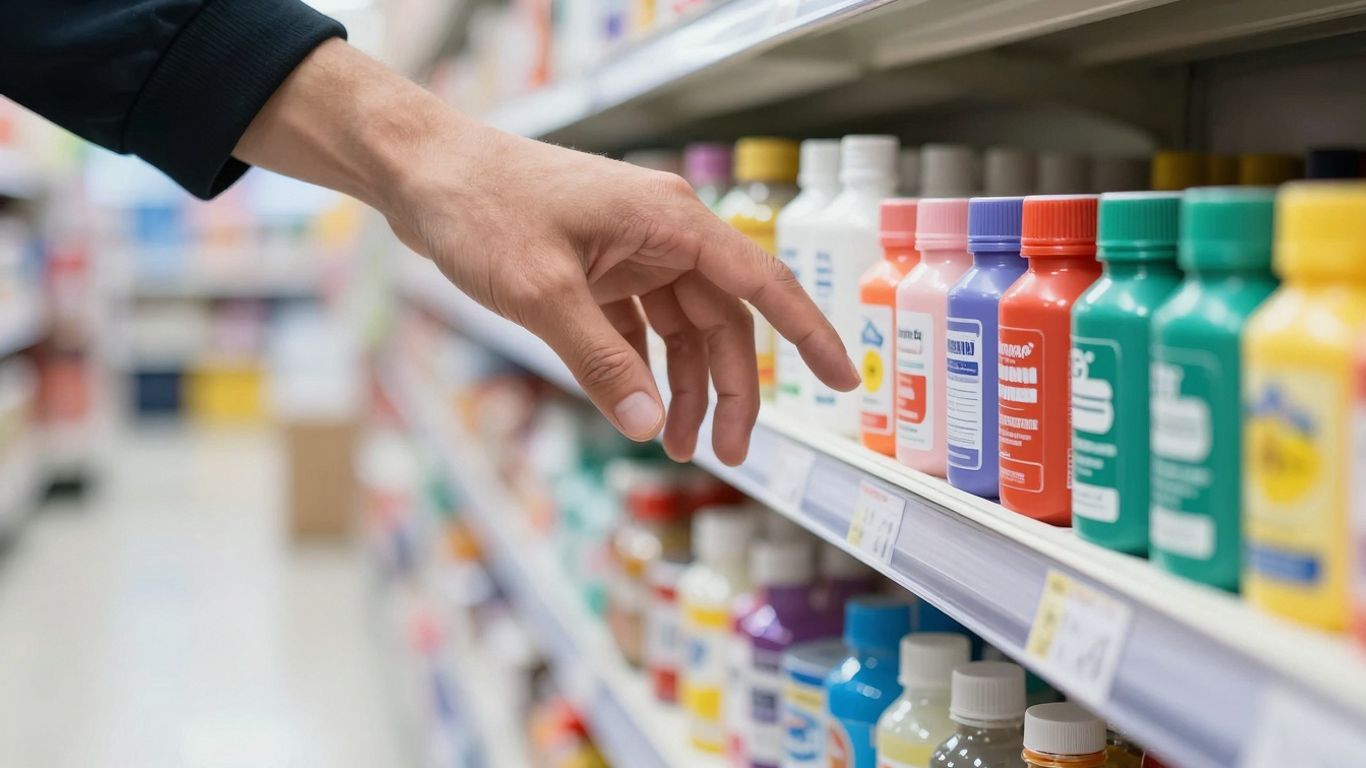
Ever feel that little jolt of excitement when you snag something on sale? That’s exactly what high-low pricing is all about. It’s like a treasure hunt for your customers, where the big prize is a fantastic deal. You start by setting a higher price for your products or services, making them seem a bit exclusive, maybe even a little aspirational. Then, BAM! You periodically drop those prices, creating these awesome sale events that get people scrambling to buy before the deal disappears.
The Allure Of The Discounted Price
Let's be real, who doesn't love a good bargain? This strategy taps right into that feeling. You attract customers who are always on the lookout for savings – the ones who know to wait for that 40% off coupon at the craft store or that big holiday sale. But here's the clever part: you also get to keep the customers who are willing to pay the full price because they really want that item now. It’s a win-win. You’re not just selling a product; you’re selling the thrill of getting a great deal.
Creating Urgency With Limited-Time Offers
This is where the magic really happens. Limited-time offers are like a siren song to shoppers. Think "Flash Sale!" or "Weekend Only!" These phrases create a sense of urgency that’s hard to ignore. People don't want to miss out on a chance to save big, so they act fast. It’s a fantastic way to boost sales quickly and clear out inventory.
Here’s a quick look at how it can work:
- Initial Price: Set a standard, slightly higher price.
- Sale Event: Announce a discount for a specific period.
- Urgency Trigger: Use phrases like "Ends Sunday!" or "Limited Stock!"
- Post-Sale: Return to the standard price, ready for the next hunt.
Balancing Value And Profitability
It might seem like you’re just giving away the farm during sales, but high-low pricing is actually a smart way to balance things out. You make a good profit on those full-price sales, and then you use the discounts to drive volume and attract new customers. It keeps your brand exciting and your sales figures looking healthy. The key is to make sure your 'regular' price still reflects the true value of what you're offering, so the sale price feels like a genuine steal, not a sign of poor quality.
This strategy is all about creating a perception of value. When customers feel like they're getting a fantastic deal, they're more likely to buy, and they'll remember you fondly for it. It’s like offering a special treat, making them feel appreciated and eager for the next time you decide to share the goodies.
Competitive Pricing: Keeping An Eye On The Other Guy
So, you've got your product, you think it's pretty great, and now you need to slap a price tag on it. But wait! What's everyone else charging for something similar? That's where competitive pricing swoops in, like a hawk watching its prey (or, you know, like you watching your competitor's website). It’s all about keeping tabs on what the other guys are doing and making smart moves based on their prices.
Matching, Beating, Or Ignoring The Competition
When you're playing the competitive pricing game, you've got a few main ways to go:
- Co-operative Pricing: This is the "follow the leader" approach. If they raise their price by a dollar, you raise yours by a dollar. If they drop it, you drop it too. It's like a synchronized swimming routine for your price tags, keeping you right alongside them. It’s simple, but you’re not really standing out.
- Aggressive Pricing: This is where you get a little feisty. You're basically telling your competitors, "Bring it on!" If they lower their prices, you go even lower. The goal here is to make yourself the obvious choice for price-conscious shoppers and maybe even push competitors out of the game. This strategy works best when you have solid profit margins to play with and can handle a bit of a price war.
- Dismissive Pricing: This one's for the big dogs, the market leaders. You set your price and pretty much ignore what everyone else is doing. You're so confident in your product or brand that you don't need to react. It's like saying, "My price is my price, deal with it." This works if you're selling something unique or have a super strong brand.
The Price Wars: Who Wins?
Honestly? Sometimes nobody wins big in a price war. It can feel like a race to the bottom, where everyone keeps slashing prices until nobody's making much money. You might grab some short-term sales, but it can really hurt your profits in the long run. Plus, customers can get used to those super low prices and expect them forever, making it tough to ever raise them again.
Constantly reacting to competitor price changes can make you feel like you're just along for the ride, rather than steering your own ship. It's easy to get caught up in the "what if they lower their price?" panic, but remember, your business has its own goals and its own value.
When Being Different Is The Best Strategy
Sometimes, the best way to deal with the competition isn't to match or beat their prices at all. If you're offering something truly special – maybe it's amazing customer service, a unique feature, or a super-premium feel – you might not need to play their game. Focus on what makes you stand out and price based on the value you provide, not just what the guy next door is charging. People will often pay more for something they perceive as better or more special, even if a cheaper option exists.
Always check what others are charging for their beats. Knowing the going rate helps you set smart prices for your own tracks. Don't get left behind; see how your prices stack up. Visit our site to explore amazing deals on beats that won't break the bank!
So, What's the Takeaway?
Alright, so we've gone through a bunch of ways to tweak your prices that might just make people open their wallets a little wider. It's not about ripping anyone off, but about being smart. Think about it – a little nudge here with a '99' ending, a sweet deal there with a discount, or even just making things look like a bargain when you bundle them up. It’s like figuring out the perfect playlist for your store; sometimes you need a banger, sometimes a chill tune. Don't be afraid to play around with these ideas. Test them out, see what makes your customers happy and your cash register sing. Because let's be honest, who doesn't love seeing those sales numbers climb? Now go forth and price wisely, you magnificent money-makers!
Frequently Asked Questions
Why do prices sometimes end in .99?
You know how things are often priced at $9.99 instead of $10? That's a trick called 'psychological pricing.' It makes the price seem way cheaper than it actually is, even though it's just a tiny difference. It's all about making you feel like you're getting a super good deal, which can make you want to buy it right away!
What's the deal with prices changing all the time, like with ride-sharing apps?
That's called 'dynamic pricing.' Think of it like a rollercoaster! Prices go up when lots of people want something (like a ride on a rainy day) and go down when fewer people do. Apps use smart computer programs to figure out the best price based on how many people want it and how many are available.
Is it smart to offer a new product at a really low price?
That's a strategy called 'penetration pricing.' It's like rolling out a welcome mat for new customers. By starting with a low price, you can get a lot of people to try your product and hopefully become loyal customers. The idea is to raise the price a bit later once people are hooked.
Why would a company charge a really high price for something?
That's 'premium pricing.' It's like saying, 'This is top-notch stuff, and you get what you pay for!' Companies use this when their product is special or really high quality. It makes the item seem exclusive and desirable, attracting customers who want the very best and aren't afraid to pay for it.
What's the benefit of selling things in a 'bundle'?
When you buy a bundle, you get a few things together for a lower price than if you bought them separately. It's like getting more bang for your buck! Businesses do this to encourage you to buy more items at once, making you feel like you're getting a great deal while they sell more products.
Why do some stores always seem to have sales?
That's 'high-low pricing.' Stores start with a higher price, then offer discounts or sales periodically. This attracts people who love a bargain and are waiting for a deal. It creates excitement and urgency, making customers feel like they're scoring a win when they buy during a sale.


