

Making beats is your passion, but have you thought about protecting your creations? It’s not as complicated as it sounds. You want to make sure your hard work is yours and that you can actually make money from it without running into trouble. This guide is all about keeping your beats safe and legal, so you can focus on what you do best – making music. We'll cover how copyright works for your beats and what you can do to keep everything on the up and up. Let's get your beats copyright safe.
Key Takeaways
- Copyright protection for your beats happens automatically the moment you create them and fix them in a tangible form, like saving a digital file. This gives you basic rights, but formal registration is where the real protection kicks in.
- Registering your beats with the official copyright office is super important. It creates a public record of your ownership, making it much easier to prove your rights and take action if someone uses your beat without permission.
- When using samples, always clear them properly or use royalty-free packs. Transforming a sample significantly can sometimes make it your own, but it's still a risky move if not done carefully.
- You can make money from your beats through licensing, where you grant permission for others to use them under specific terms, or by selling exclusive or non-exclusive rights. Understanding these differences is key to keeping control.
- Common myths like the 'poor man's copyright' (mailing a copy to yourself) or thinking that slightly changing a sample's pitch or just using a short snippet will protect you are false. Always rely on official copyright registration for true security.
Unlocking Your Beat's Legal Superpowers
Alright, let's talk about making sure your beats don't end up in the wrong hands. Think of copyright as your beat's personal bodyguard, always on duty. It's not some dusty old law book; it's the thing that says, "Hey, this dope sound? Yeah, that's mine!" Without it, your hard work could be swiped faster than the last slice of pizza at a party.
Why Copyright is Your Beat's Best Friend
So, why should you even care about copyright? Simple: it's your ticket to owning your creations. The moment you fix your beat into something tangible – like saving that audio file or writing it down – BAM! Copyright kicks in. It’s like magic, but real. This means you get the say-so on who copies it, who shares it, and who plays it. It’s your beat, your rules. This protection is what lets you decide if someone can use your track, how they can use it, and if they need to pay you for the privilege. Pretty neat, right?
The Invisible Shield: Understanding Copyright Law
Copyright law might sound complicated, but it’s really just about protecting your music. Imagine you baked an amazing cake. Copyright law is like telling everyone else, "Nope, you can't just take slices of this cake and sell them without asking me." It’s that simple. It puts an invisible shield around your beat, keeping it safe from folks who might want to rip it off. This shield gives you control. You get to decide who gets to use your beats, how they can use them, and if they're going to make money off your hard work. If someone tries to use your beats without your permission, copyright law is your backup, ready to help you take action.
From Creation to Protection: Automatic Copyright
Here's the cool part: you don't have to do anything special for basic copyright protection to start. As soon as you create an original beat and save it – whether it's a WAV file, an MP3, or even written notation – it's automatically copyrighted. This means you automatically have the exclusive rights to:
- Reproduce your beat
- Distribute your beat
- Perform your beat
This automatic protection is your first line of defense, but it's just the beginning. It’s like having a basic lock on your door; it’s better than nothing, but you’ll want to add more security later on.
Fortifying Your Sound: Registration is Key

Okay, so you've made some killer beats. Awesome! But here's the thing: just making them doesn't automatically give you all the legal muscle you might need. That's where making it official comes in. Think of copyright registration as putting your beats in a super-secure vault instead of just leaving them on your desk.
Making It Official: Registering with the Copyright Office
This is where you go from "my beat" to "my legally protected beat." You'll want to head over to the U.S. Copyright Office website. It might sound a bit formal, but it's really just about filling out some forms and sending them a copy of your work. They have specific forms for sound recordings, so make sure you grab the right one. You'll need to give them details like when you created the beat and if you've released it to the public yet. It's not complicated, but it does take a little bit of your time. This step is non-negotiable if you want the full protection the law offers.
The Power of Proof: Your Registration Certificate
Once you've gone through the process, you'll get a registration certificate. This isn't just a fancy piece of paper; it's your official proof that you own the copyright. It's like having a birth certificate for your beat. This certificate is super important if someone ever tries to use your beat without your permission. It makes it way easier to prove it's yours and to take action. Without it, you're kind of on shaky ground if you need to fight for your rights. It's also required if you ever need to file an infringement claim in federal court and want to be eligible for things like statutory damages and attorney fees. You can check the status of your application online, which is pretty handy.
Beyond Registration: What Happens Next?
So, you've registered your beats. What now? Well, first off, pat yourself on the back! You've taken a huge step. Keep that certificate safe, maybe even make a digital copy. This registration is what allows you to claim mechanical royalties whenever your beat is used in a released song. It also means if someone jacks your beat, you have a solid foundation to stand on. You can pursue legal action, and thanks to your registration, you can potentially claim damages without having to prove exactly how much money you lost. It's all about having that official record.
- Gather your files: Have your beat files, any original samples, and production notes ready.
- Visit the website: Go to the U.S. Copyright Office site and find the correct form.
- Submit and pay: Fill out the form, upload your work, and pay the fee.
- Keep records: Save your receipt and correspondence.
Remember, while your beat is automatically copyrighted the moment you create it, registration is what gives you the real legal teeth to enforce that copyright. Don't skip this part if you're serious about protecting your music.
Navigating the Sample Jungle
Alright, let's talk about samples. You hear that killer drum break, that soulful vocal snippet, or that funky bassline, and your brain immediately goes, 'I need that in my beat!' And you can! But, like any good adventure, there are rules of the road. Messing with someone else's music without permission is like trying to sneak into a VIP party without an invite – you might get away with it for a bit, but eventually, someone's gonna notice.
Clearing Samples Like a Pro
So, you've found the perfect sound bite. What now? The most legit way is to clear it. This means tracking down the original copyright holder (could be the artist, the label, or the publisher) and getting their official 'yes'. It's like asking permission before borrowing your neighbor's lawnmower – polite and necessary. This process can be a bit of a headache, involving paperwork and, yes, sometimes money. It's not always cheap or quick, but it's the safest bet if you plan on releasing your track widely. Think of it as investing in your music's future. You can find services that help with this, like Tracklib, which makes licensing feel more like streaming.
The Magic of Royalty-Free Packs
Now, if clearing samples sounds like too much hassle, don't sweat it! There's a whole world of sounds out there that are already cleared for you. We're talking about royalty-free sample packs. These are collections of sounds specifically created or licensed so you can use them in your music without owing extra fees. Sites like Splice, Loopmasters, and even free ones like Looperman are goldmines for these. It's like going to a buffet where everything is already paid for – just load up your plate!
Transforming Samples into Your Own Masterpiece
Even when you use a sample, you can make it totally your own. Don't just drop it in as-is. Chop it up, flip the pitch, reverse it, layer it with other sounds, or bury it deep in your mix with effects. The more you change it, the more it becomes your creation. This creative manipulation can sometimes mean you don't even need to clear the original sample, especially if it's hard to recognize. It's a bit of a risk, sure, but when done right, it's a fantastic way to put your unique stamp on things. Remember, the goal is to use the sample as a building block, not the whole house.
The key is to be creative and respectful. If you're using a recognizable piece of someone else's work, the proper channels are always the best way to go. But if you're transforming sounds beyond recognition, you're well on your way to making something truly original.
Monetizing Your Masterpieces Safely
Alright, you've put in the work, crafted some killer beats, and now you're ready to see some cash flow. But hold up! Before you start dreaming of that new studio gear, let's talk about making sure you get paid and keep your rights intact. This is where the fun part of copyright really kicks in – turning your beats into actual income without accidentally giving them away.
Licensing Your Beats: Granting Permission, Keeping Control
Think of licensing as giving someone a temporary pass to use your beat, under your rules. You're not selling the whole farm; you're just letting them borrow a specific part of it for a specific purpose. This is super important because you keep the copyright ownership. This means you can license the same beat to multiple people if you want, or keep it exclusive to one person for a higher price. It’s all about setting clear terms. You decide if they can use it for a mixtape, an album, or just for online content. Getting this right means you get paid now and can still earn from it later. It's a smart way to make money while still owning your creation. Understanding how to copyright beats is key here, as it forms the basis for any license you grant.
Selling Your Beats: Exclusive vs. Non-Exclusive
When you sell your beats, things get a bit more serious. You've got two main paths:
- Exclusive Rights: This is like selling your beat outright. The buyer gets full, exclusive control, and you can never use or sell that beat again. This usually means a bigger payday upfront, but you lose all future potential earnings from that specific track. It's a big decision, so make sure the price reflects the permanent loss of rights.
- Non-Exclusive License: This is more like the licensing we just talked about, but often sold through platforms. Multiple artists can buy a non-exclusive license to use your beat. You still own the copyright, and you can keep selling these licenses. It's a great way to generate steady income from a single beat.
No matter which route you choose, always have a clear, written agreement. This protects both you and the buyer, spelling out exactly what they can and can't do with your music. It prevents awkward conversations and potential legal headaches down the road.
Understanding Mechanical Royalties: Getting Paid for Play
So, what happens when someone's song, made with your beat, actually gets popular and starts getting played? That's where mechanical royalties come in. Every time a copy of a song is made – whether it's a CD, a digital download, or even streams that count as a reproduction – you're entitled to a payment. This is separate from performance royalties (which go to the songwriter/publisher when the song is played publicly) and is specifically for the reproduction of the musical work. It's another way your beats can earn you money passively. Making sure your licensing agreements account for these royalties is a smart move for long-term income. You can learn more about how to copyright beats to ensure you're set up to collect these payments.
Don't just hand over your beats without a plan. Think about how you want to be paid, what rights you're willing to give up, and what you want to keep. A little bit of planning now can save you a lot of trouble and make you a lot more money later. It's all about being smart with your art.
Here's a quick look at how the rights can differ:
| Type of Sale/License | Your Rights Retained | Buyer's Rights | Typical Use Case |
|---|---|---|---|
| Non-Exclusive License | Full Copyright Ownership | Use beat for song, limited distribution | Mixtapes, online content, indie releases |
| Exclusive License | None (You transfer copyright) | Unlimited use, full ownership | Major label releases, artist's signature track |
Remember, understanding these options is key to making sure your hard work pays off. Don't be afraid to ask questions and get professional advice if you're unsure about any agreements. Protecting your music is just as important as making it!
When Things Go Sideways: Infringement and Disputes
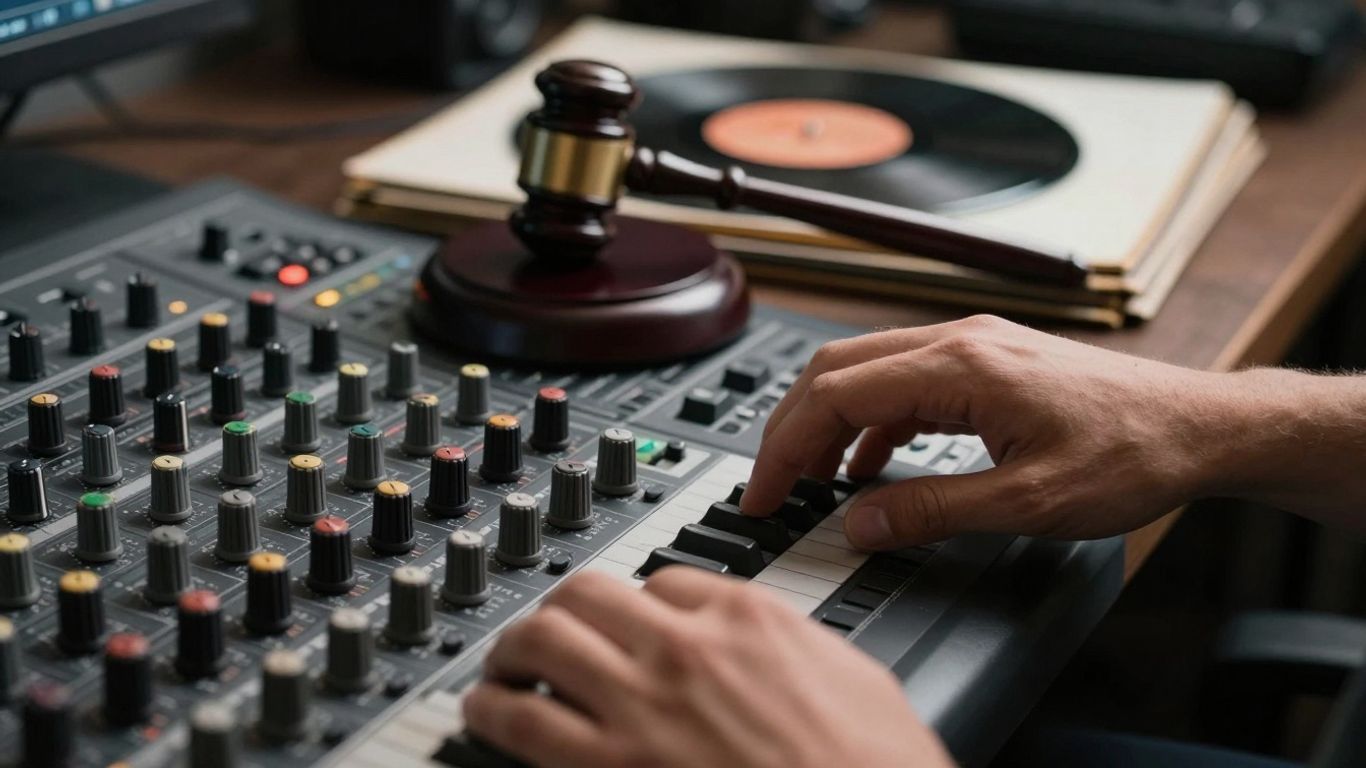
So, you've put your heart and soul into a killer beat, registered it, and maybe even licensed it out. Awesome! But what happens when someone decides to swipe your sound without asking? It's like finding out someone's been using your favorite mug without permission – annoying, right? Don't sweat it, though. We've got your back on how to handle these situations.
Spotting Copyright Infringement in the Wild
First off, you gotta know when your beat is being used without your say-so. This is where keeping an ear out becomes your superpower. Think of it like being a detective for your own music. You might hear your beat in someone else's track, a YouTube video, or even a TikTok. Platforms like YouTube have systems, such as Content ID, that can automatically flag unauthorized use of registered music. It's basically a super-smart audio scanner that compares uploads against a database of copyrighted material. If your beat is in there, and someone uses it without permission, it can trigger a claim. Keep an eye on streaming platforms and social media – sometimes fans will even point it out to you!
Sending the Cease and Desist Signal
Okay, you've spotted the infringement. What's the first move? Usually, it's sending a 'Cease and Desist' letter. This is a formal, but often friendly, heads-up that they're using your work without permission and need to stop. It's like a polite but firm "Hey, that's mine!" You'll want to clearly state that you own the copyright, specify how your work is being used without authorization, and demand that they stop immediately. This letter can often resolve the issue without needing to go further, especially if the person just made an honest mistake. It's a good idea to keep records of all communication, just in case.
Taking Legal Action: When It's Time to Fight
If the cease and desist letter doesn't do the trick, or if the infringement is particularly blatant and damaging, you might need to consider more serious steps. This could involve filing a lawsuit. It sounds intense, and honestly, it can be, but it's your right to protect your intellectual property. Before you go down this road, it's wise to consult with a lawyer who specializes in copyright law. They can guide you through the process, which might include seeking damages or an injunction to stop further use. Remember, legal battles can be costly and time-consuming, so weigh your options carefully. Sometimes, just the threat of legal action is enough to get someone to comply. It's all about protecting the fruits of your labor and ensuring you get the credit and compensation you deserve for your original beats. Dealing with copyright issues can be a headache, but understanding your options is the first step to resolving them. For a look at some tricky copyright cases from recent years, you might want to check out noteworthy copyright rulings.
Here's a quick rundown of what can happen if your beat is used without permission:
- Demonetization: The infringer's content might be demonetized, with all ad revenue going to you.
- Muting: The infringing audio might be removed from their content.
- Blocking: Their content could be taken down entirely.
- Strikes: Platforms like YouTube issue 'strikes' which can lead to account penalties if repeated.
It's important to remember that simply changing the pitch or speed of a beat, or only using a small snippet, does not automatically make it legal to use without permission. These methods are often easily detected and can still lead to infringement claims.
Debunking Beat-Making Myths
Alright, let's bust some common myths that producers sometimes fall for when it comes to copyright. You've probably heard a few of these floating around the studio or online, and it's time to set the record straight.
The 'Poor Man's Copyright' Fallacy
Ever heard of mailing your beat to yourself or putting it in a safe deposit box? That's the classic "poor man's copyright." The idea is that by having a dated record, you can prove you made it first. Spoiler alert: it doesn't work. The U.S. Copyright Office doesn't recognize this as a valid form of protection. It's like trying to prove you own a car by sending yourself the keys in the mail – it just doesn't hold up. Real protection comes from official registration, not a DIY postal service.
Why Changing Pitch Won't Save You
So, you've taken a sample or a loop and pitched it up or down, thinking that's enough to make it your own and avoid copyright issues. Think again! While it might fool some basic detection software, it's a pretty flimsy defense. Copyright law looks at the originality and substantial similarity of the work. If a judge or a copyright holder can still clearly hear the original melody or rhythm, changing the pitch is like putting a tiny disguise on a famous celebrity – they're still recognizable. It's a risky game to play, and honestly, it can degrade the sound quality too.
Short Snippets Aren't Safe Havens
Another myth is that if you only use a tiny piece of a copyrighted song, you're in the clear. "It's just two seconds!" you might think. Nope. There's no magic number of seconds that makes using someone else's work okay. Using even a small, recognizable portion of a copyrighted song without permission can still be considered infringement. It's all about whether that snippet is a qualitatively significant part of the original work. So, don't gamble on short snippets; it's just not worth the potential headache.
Here's a quick rundown of what doesn't work:
- Mailing your work to yourself (Poor Man's Copyright).
- Slightly altering the pitch or tempo of a copyrighted sound.
- Using very short, recognizable clips of existing music.
- Simply giving credit to the original artist (unless you have a license that requires it).
Remember, copyright protection is about respecting the original creator's rights. Trying to find loopholes often leads to more trouble than it's worth. Official registration and proper sample clearance are your best bets for staying on the right side of the law.
Many people think making beats is super hard, but that's not always true! We're here to bust some common ideas about beat-making that might be holding you back. Don't let old stories stop you from creating. Ready to learn the real deal and start making your own music? Check out our website for tips and tricks!
So, What's the Takeaway?
Alright, producers, we've gone through the nitty-gritty of keeping your beats safe and sound. Remember, copyright isn't just some stuffy legal term; it's your shield, your money-maker, and your ticket to playing the music game fair and square. Don't be that person who skips the registration because it seems like a hassle – it's way less of a headache than dealing with someone jacking your fire. Get registered, get paid, and keep creating those bangers. Now go forth and protect your sonic masterpieces!
Frequently Asked Questions
What's the big deal with copyright for my beats?
Think of copyright as your beat's personal bodyguard. It automatically kicks in the moment you create something original and save it, like recording it. This means you're the only one who can copy it, share it, or perform it. It's your creation, and copyright law makes sure everyone knows it's yours. It's super important for keeping control over your music and making sure you get credit and any money it earns.
Do I really need to register my beats with the Copyright Office?
Yes, you absolutely should! While copyright protection happens automatically when you create your beat, registering it is like getting an official ID for your music. It creates a public record that says, 'This is mine!' This makes it way easier to prove you own it if someone tries to use it without your permission. It's your best bet for taking action if someone infringes on your rights.
What if someone uses my beat without asking?
If someone uses your beat without your permission, that's called copyright infringement. The first step is usually to send them a 'cease and desist' letter, telling them to stop. If they don't, and especially if you've registered your beat, you might need to take legal action. Having that registration certificate is key evidence that proves you own the beat and helps you fight for your rights.
What's the difference between selling exclusive and non-exclusive rights?
When you sell exclusive rights to your beat, you're basically handing over all ownership to the buyer. They become the sole owner and can do whatever they want with it, and you can't use or sell it to anyone else. Selling non-exclusive rights, however, means you're just giving permission for someone to use your beat, usually for a fee or royalty. You still own the copyright and can license it to other people too.
Are royalty-free sample packs really safe to use?
Yep, royalty-free sample packs are awesome! They're collections of sounds that creators have made available for you to use in your music without having to pay extra fees or worry about getting permission. Sites like Splice or Loopmasters offer these. Just make sure you're getting them from a reputable source so you know they're legit.
Can I just change a song's pitch or use a small part to avoid copyright issues?
Nope, that's a common myth! Simply changing the pitch or using just a tiny snippet of a copyrighted song usually doesn't protect you. Copyright law is pretty smart, and even altered or short pieces can still be recognized as using someone else's work without permission. It's always best to clear samples or use royalty-free ones to stay safe.


