
So, you've probably heard hip-hop everywhere, right? It's not just a sound from the Bronx anymore; it's a whole global thing. You might wonder how this music and culture, born in Black American communities, ended up taking over the world. It's a wild ride, and this whole hip hop globalization thing is pretty fascinating when you look at how different places put their own spin on it. We're going to check out how it travels, what it means to stay real, and why it connects with so many people, no matter where they're from.
Key Takeaways
- Hip hop started in the Bronx but has become a worldwide phenomenon, influencing music and culture everywhere.
- When hip hop travels, it often gets mixed with local traditions, creating unique 'glocal' styles that still feel authentic to the place.
- The idea of authenticity in hip hop is tricky; it's about representing your own experience while still honoring the genre's roots.
- Hip hop isn't just music; it's a whole culture including dance, art, and a way to express yourself and build community.
- Despite its global reach, hip hop often speaks to shared feelings of struggle, identity, and the desire for a voice, especially for people who feel like outsiders.
The Global Beat: Hip-Hop's Worldwide Takeover
Remember when hip-hop felt like it was just our thing? Like, something born on the streets of the Bronx and somehow, magically, everyone else just knew about it? Well, buckle up, because that little seed planted in New York City has grown into a massive, global jungle gym. It’s wild to think about how something so rooted in a specific American experience has become a worldwide phenomenon. You can’t just point to a map anymore and say, 'That’s where hip-hop lives.' It lives everywhere.
From Bronx Blocks to Global Stages
It’s pretty mind-blowing, right? Back in the day, you had movies like Wild Style and Beat Street that were like little time capsules, showing the world what was happening. Then artists started touring, and suddenly, that raw energy from the US was hitting ears and hearts in places you wouldn't expect. It wasn't just about the music; it was the whole package – the beats, the rhymes, the style, the attitude. And people everywhere were like, 'Yeah, I get that.' It’s like hip-hop found a way to speak a language that transcended borders and even language itself.
The 'Glocal' Phenomenon: Hip-Hop's Local Flavor
But here's the cool part: hip-hop didn't just land in other countries and stay the same. Nope. It got mixed, mashed, and remixed. Think of it like this: you take a great recipe, but then you add your own local spices and ingredients. That’s what happened with hip-hop. It became 'glocal' – a bit global, a bit local. Artists started rapping about their own lives, their own struggles, their own joys, all over their own languages. It’s still hip-hop, but it’s also something totally new and specific to that place.
Here’s a peek at how it’s spread:
- France: Early adopters, especially in places like Paris and Marseille, used rap to talk about social issues like unemployment and police tension. They made it their own, rapping in French.
- Kenya: Hip-hop became a way for young Kenyans to express themselves, sometimes even leading to a kind of cultural self-reflection, blending local traditions with global beats.
- Senegal: Rappers found echoes of hip-hop's verbal artistry in their own long-standing traditions of storytelling and rhyming.
It’s not just about copying what’s popular in the US. It’s about taking that energy and making it fit your own world, your own story. That’s the real magic.
Connecting the Margins: Shared Struggles, Shared Rhymes
What’s really interesting is why it caught on everywhere. Turns out, a lot of people around the world feel like they’re on the outside looking in, just like the communities where hip-hop first blew up. Whether you're dealing with social injustice, feeling misunderstood, or just trying to make your voice heard, hip-hop offers a way to connect. It’s like finding out you’re not alone in your struggles. That shared feeling, that common ground, is a huge part of why hip-hop became this massive global thing. It’s a soundtrack for anyone who’s ever felt like an underdog.
Authenticity in the Age of Global Hip-Hop
The Paradox of Representation: Staying True Abroad
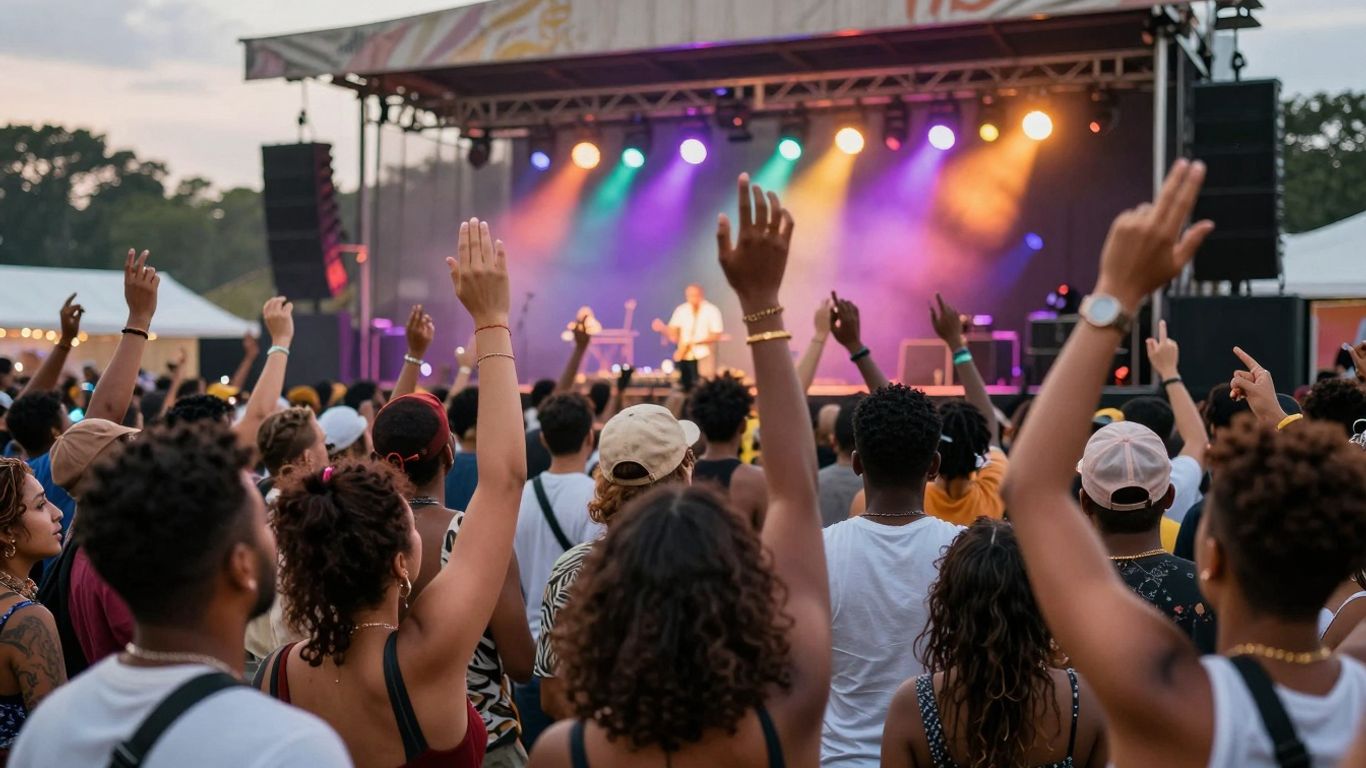
So, you've heard the beats, you've felt the rhythm, and now you're wondering: how do you keep it real when hip-hop isn't just a New York thing anymore? It's a wild ride, right? Hip-hop started in the Bronx, telling stories of specific struggles, but now it's everywhere. This brings up a big question: when you take something so rooted in one culture and transplant it, what happens to its soul?
It's like trying to explain your favorite inside joke to someone who wasn't there – it just doesn't hit the same. The core of hip-hop is about representing your truth, your experience. But when artists in, say, Tokyo or Nairobi start rapping, are they just copying the original vibe, or are they genuinely channeling their own world through this global language?
The real trick is figuring out how to be authentic without just being a carbon copy. It’s a delicate dance, and honestly, sometimes it gets messy.
Digging Deep: Local Traditions Meet Global Beats
This is where things get really interesting. Instead of just mimicking American styles, artists around the world are digging into their own cultural closets. Think sampling traditional music from their homeland, or weaving in the unique slang and rhythms of their own languages. It’s like taking a familiar recipe and adding a secret, local spice that makes it totally new.
For example, some Senegalese rappers found that the way they’d been doing verbal art for ages, called 'taasu,' was basically an early form of rapping. They were already rhyming and performing with rhythm! It wasn't about adopting something foreign; it was about recognizing a shared spirit and giving it a new, global sound.
Here’s a quick look at how this plays out:
- Language: Rapping in your native tongue, not just English.
- Sound: Sampling local instruments or musical styles.
- Storytelling: Sharing experiences specific to your community and country.
- Flow: Adapting rap cadences to fit the natural rhythm of your language.
When Does Mimicry Become Appropriation?
This is the sticky part, the one that can lead to some awkward conversations. When does borrowing cool moves or slang cross the line from appreciation to just… taking?
It's easy to get caught up in the flash and sound of hip-hop, but true authenticity comes from understanding the roots and respecting the culture. When you just copy without understanding, you risk erasing the very experiences that made hip-hop meaningful in the first place. It’s about adding your voice, not just repeating someone else’s.
It’s a fine line, and honestly, there’s no easy answer. But asking yourself these questions is a good start: Are you just copying what you see, or are you genuinely trying to express something true to yourself and your background? Are you giving credit where it's due, or are you trying to pass off someone else's culture as your own? It’s a constant conversation, and one that keeps hip-hop evolving in fascinating ways.
Hip-Hop's Passport: Crossing Borders and Cultures
So, you've heard the beats, you've felt the rhythm, but have you ever stopped to think about how this whole hip-hop thing went from the streets of the Bronx to pretty much every corner of the globe? It's like it packed its bags and got a passport, ready for adventure. And guess what? It didn't just visit; it moved in, made itself at home, and started cooking up its own local dishes.
Beyond the Language Barrier: Rap in Every Tongue
Think about it: hip-hop is this incredible force that can speak without saying a single word you might understand. Sure, the lyrics are usually in the local language, but the vibe, the flow, the raw emotion? That stuff is universal. You've got rappers spitting fire in Japanese, French, Swahili, you name it. It's wild how a beat and a passionate delivery can connect with someone even if they don't catch every single rhyme. It’s like music’s own secret handshake, right?
- Korean K-Pop rappers blending traditional sounds with modern flows.
- French MCs in the banlieues telling stories of everyday life.
- Brazilian artists using Portuguese to talk about social issues.
- Senegalese MCs finding parallels between rap and ancient oral traditions.
From Social Commentary to Chart-Topping Hits
What's fascinating is how hip-hop wears so many hats. One minute, it's the voice of the people, calling out injustice and sharing the struggles of the marginalized. You hear these stories, and you think, "Yeah, I get that." It’s that shared feeling of being on the outside looking in, or fighting for something better. But then, BAM! That same energy can fuel a track that’s topping charts worldwide, getting everyone on the dance floor. It’s this amazing duality – being a powerful tool for change and also just pure, unadulterated fun.
Hip-hop has this knack for taking the specific and making it feel general. It’s about your local reality, your neighborhood, your crew, but somehow, it taps into a feeling that millions of others can relate to, no matter where they are.
The Movies That Shook the World: Spreading the Culture
And let's not forget the visual side of things! Movies and documentaries have played a massive role in this global spread. Think about those iconic films that showed the world what hip-hop culture was all about – the breakdancing, the graffiti, the DJing, the MCing. They weren't just movies; they were like cultural ambassadors. They opened up a whole new world for people who had never seen or heard anything like it before. Suddenly, you had kids in far-off places trying out those dance moves or picking up a spray can, all inspired by what they saw on screen. It’s pretty cool how a film can spark a whole movement, isn't it?
More Than Music: Hip-Hop as a Cultural Force
Dance, Art, and Identity: The Full Hip-Hop Package
So, you think hip-hop is just about beats and rhymes, huh? Think again! It’s way bigger than that. It’s a whole package deal, a lifestyle that wraps around you like your favorite hoodie. You’ve got the dance – the popping, locking, and breaking that lets you tell a story with your body. Then there’s the art, the graffiti that turns boring walls into vibrant canvases. And all of this? It’s tied up with your identity. It’s how you show the world who you are, especially when the world doesn’t always make it easy.
Think about it: when you’re on the dance floor, busting out moves, does it really matter what your background is? Nope. It’s about the skill, the energy, the connection. People from all over, different colors, different countries, all speaking the same language of movement. It’s pretty wild how something born in the Bronx can make you feel understood from Tokyo to Timbuktu.
Here’s a quick look at the elements that make up this cultural force:
- DJing: The backbone, spinning the records and creating the soundscape.
- MCing (Rapping): The voice, telling stories and dropping knowledge.
- B-boying/B-girling (Breakdancing): The body, expressing rhythm and attitude through movement.
- Graffiti Art: The visual, adding color and personality to urban spaces.
It’s this blend of creativity that lets you express yourself in ways words alone can’t capture. It’s a way to build something unique, something that’s yours, even when you feel like you don’t fit in anywhere else.
Empowerment Through Expression: Finding Your Voice
Ever felt like you had something to say but no one was listening? Hip-hop gets it. It’s a platform for people who might not have a microphone in the mainstream media. Whether you’re rapping about your daily grind, the injustices you see, or just trying to make sense of the world, hip-hop gives you a voice. It’s like finding your tribe, a group of people who get your struggles because they’ve lived them too. This shared experience is what makes hip-hop so powerful for so many.
It’s not just about shouting into the void, either. It’s about taking control of your narrative. You get to decide what your story is and how it’s told. This can be a huge confidence booster, especially when you’re navigating a world that might try to put you in a box. You learn to own your experiences and turn them into something strong.
Building Bridges: Hip-Hop for Identity Harmony
This might sound a bit cheesy, but hip-hop can actually bring people together. When you see someone from a totally different place rocking the same dance moves or spitting rhymes with the same passion, it breaks down barriers. You realize you have more in common than you thought. It’s a way to connect on a human level, beyond borders and backgrounds.
It’s fascinating how hip-hop can be both super local and totally global at the same time. You can be rapping about your neighborhood, your specific struggles, but because the feeling is universal, someone halfway across the world can nod their head and say, “Yeah, I feel that.” It’s a reminder that even with all our differences, we’re all just trying to figure things out. And sometimes, a good beat and some honest lyrics are all you need to feel a little less alone.
The New Wave: Hip-Hop's Evolving Global Landscape
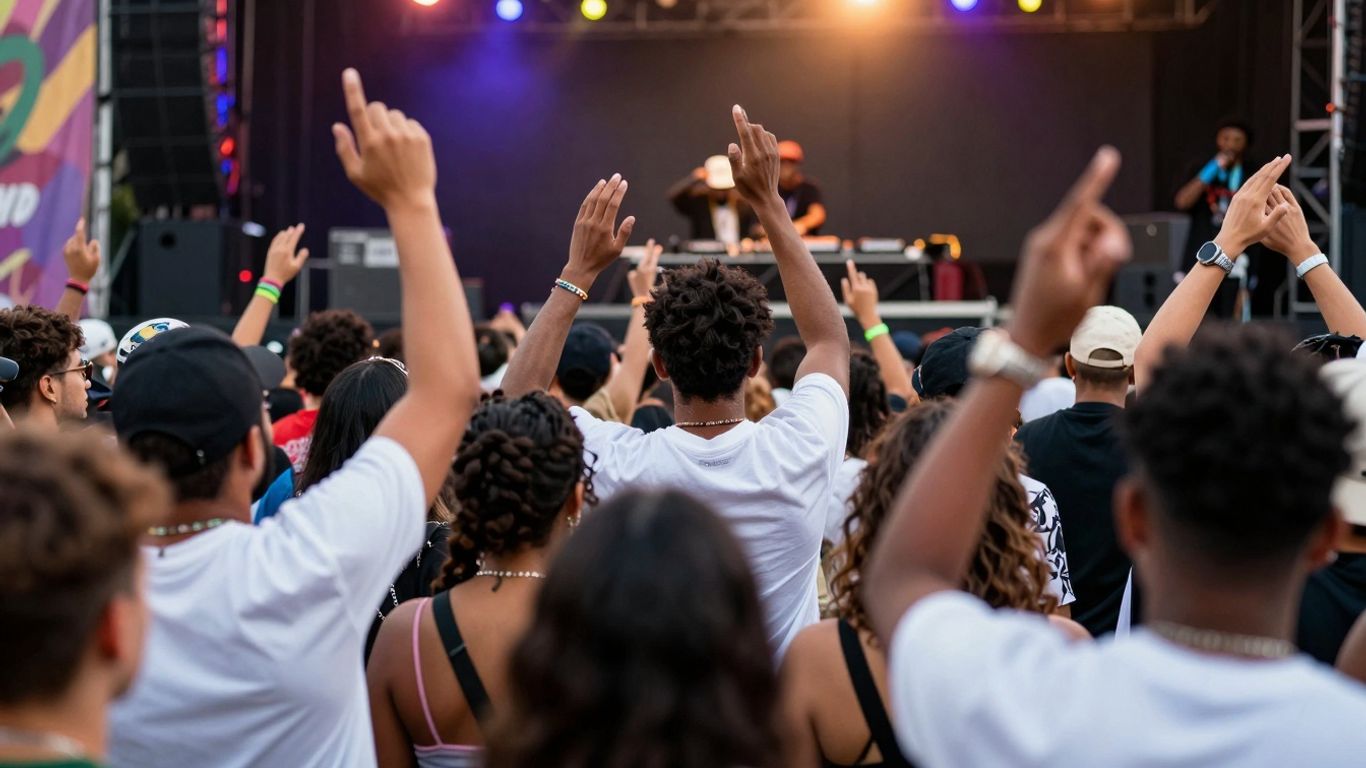
So, hip-hop isn't just chilling in the Bronx anymore, right? It's gone global, and it's still changing, like a chameleon on a disco ball. You've got new scenes popping up everywhere, each with its own flavor. It’s wild to see how this culture keeps morphing.
Asian Youth and the Hip-Hop Revolution
Seriously, Asian youth have been all over this hip-hop thing since the 90s. They've taken the beats and rhymes and made them their own, sometimes in ways that totally surprise people. Remember when breakdancing by Asian Americans was seen as a novelty? Well, times have changed. It's become a huge part of their identity, even if there are ongoing chats about appropriation versus appreciation. It’s a complex dance, for sure.
The Digital Cypher: Connecting Online
And then there's the internet. Whoa. The digital world has basically created a massive, never-ending cypher. You can connect with artists and fans from literally anywhere. It’s easier than ever to share your music, find your crew, and get inspired by what’s happening on the other side of the planet. This online connectivity is a game-changer for how hip-hop spreads and evolves. It’s like a global open mic night, 24/7.
Record Labels and Global Ambitions
Now, the big players are noticing. Record labels are definitely looking beyond their usual markets, trying to catch the next big wave from overseas. They’re signing artists from all over, hoping to tap into new audiences and trends. It’s a whole new ballgame for the music industry, with global ambitions driving a lot of the decisions. You can see how artists like Drake and OutKast paved the way for this kind of widespread influence.
Hip-hop's journey across borders isn't just about music; it's about how people find common ground and express their unique experiences. It’s a constant conversation between the local and the global, with new voices emerging all the time.
The Heart of the Matter: Why Hip-Hop Resonates Globally
A Universal Language of Struggle and Success
So, why does hip-hop, born on the streets of the Bronx, connect with people from, like, literally everywhere? It’s not just about the beats or the rhymes, though those are pretty dope. At its core, hip-hop taps into something super human: the need to tell your story, especially when things get tough. Think about it. Whether you're dealing with feeling overlooked in a big city or facing down some serious societal BS, hip-hop gives you a mic. It’s a way to shout out your wins, big or small, and to process the Ls. It’s the sound of someone saying, 'I see you, I feel you, and you're not alone.'
The Power of Representation for Marginalized Voices
This is huge. Hip-hop started as a voice for folks who weren't always heard. And guess what? That feeling of being on the outside looking in? It’s pretty universal. When you see someone who looks like you, or who’s been through something similar, spitting fire about their reality, it’s incredibly powerful. It’s like finding a secret handshake for your soul.
- Shared Struggles: Feeling like the system’s stacked against you? Hip-hop gets it.
- Finding Your Tribe: Connecting with others who understand your unique challenges.
- Voice Amplified: Turning personal experiences into something bigger, something that can actually make a difference.
Hip-Hop as a Catalyst for Self-Reflection
Here’s a wild thought: hip-hop can actually make you think harder about your own life and the world around you. When artists from different corners of the globe take this art form and make it their own, they often dig into their own local traditions and stories. This can spark a cool kind of self-reflection. You start seeing how your own culture, your own language, your own struggles fit into this bigger global picture. It’s like looking in a mirror and seeing not just yourself, but a whole community reflected back.
It’s fascinating how a genre that started with such specific roots can become a global phenomenon. It’s not just about copying what came before; it’s about taking that energy and channeling it through your own unique experiences. This process often leads to a deeper appreciation of one's own heritage and identity, proving that authenticity isn't about staying the same, but about evolving in a way that feels true to you.
Hip-hop's rhythm and stories connect with people everywhere, no matter where they're from. It's more than just music; it's a way to express feelings and share experiences that many can relate to. Want to create your own hip-hop magic? Explore our collection of beats and find the perfect sound to tell your story.
So, What's the Takeaway?
Alright, so we've basically seen how hip-hop went from the streets of the Bronx to, like, everywhere. It's pretty wild, right? It's like this universal language that people all over the planet can grab onto, twist around, and make their own. Whether you're spitting rhymes in French about your local struggles or dropping beats in Japan that sound totally different but still feel like hip-hop, it's all part of the same big, messy, awesome party. It's not just about copying what America did; it's about taking that energy and making it fit your own life, your own town, your own vibe. So next time you hear a rapper from, I dunno, Nigeria or wherever, remember they're not just playing dress-up. They're part of this massive global conversation, adding their own flavor to the mix. Pretty cool, huh?
Frequently Asked Questions
What exactly is hip-hop and how did it get so big everywhere?
Think of hip-hop as more than just music; it's a whole culture that started in New York City with things like rapping, DJing, breakdancing, and graffiti art. It began as a way for young people, especially those from Black and Latino communities, to express themselves. Movies and music tours helped spread it across the globe, and people everywhere started making it their own by mixing it with their local culture and talking about their own lives and problems.
Does hip-hop sound the same in every country?
Nope! While the core elements are there, hip-hop has a cool way of changing to fit in. This is called being 'glocal' – meaning it's global but also local. So, you might hear rap in French talking about life in Paris, or in Japanese about issues in Tokyo. Artists often blend hip-hop beats with their own traditional music or use their native languages, giving it a unique local flavor.
Is it okay for artists in other countries to use hip-hop if it started in America?
That's a big question! It's a bit tricky. Hip-hop comes from specific Black American experiences, so some people wonder if using it elsewhere is fair. But others feel that hip-hop is a universal language that lets people everywhere share their stories. The key is often how artists use it – are they just copying, or are they using it to express their own unique experiences and traditions?
Can hip-hop really help people feel connected, even if they're from different backgrounds?
Absolutely! Hip-hop has a way of connecting people who feel like outsiders or who are struggling. Whether it's about facing hardship, wanting to be heard, or just finding your identity, these themes are common worldwide. When people hear others rapping about similar feelings, it creates a bond, showing that you're not alone, no matter where you are.
How do artists stay 'real' or authentic when making hip-hop in a different country?
Staying authentic in global hip-hop is about finding a balance. Some artists might focus on the original Black American styles and fashion. Others dig deeper into their own local music, languages, and stories, mixing them with hip-hop. It's about using the hip-hop spirit to tell your own truth and represent your own community, rather than just copying what you see.
What's the deal with Asian youth and hip-hop?
Young people in Asia and Asian communities have been super into hip-hop for a long time. They've really embraced it, using it to explore their own identities and express themselves. Sometimes this has led to debates about cultural borrowing, but it also shows how hip-hop can be a powerful tool for young people worldwide to connect with each other and find their voice.