

So, you're looking to build up your beat catalog, huh? It's like creating your own treasure chest of sounds. Think of it as your producer's portfolio, showcasing all the hard work and creativity you've poured into your music. This guide will walk you through turning those demo tracks and finished masterpieces into something that can actually make you money. We'll cover everything from organizing your beats to getting them out there in the marketplace. Let's get started!
Key Takeaways
- Your beat catalog is your producer's portfolio, a collection of all your musical creations ready to be sold or placed.
- Organizing your beats with proper metadata like genre, BPM, and key is super important for selling them on marketplaces.
- Crafting a unique sonic identity involves defining your vibe, choosing the right tools (DAW), and building solid foundations with drums and bass.
- Structuring your beats with intros, verses, choruses, and outros makes them sound like complete songs and keeps listeners engaged.
- Polishing your sound with mixing and effects, and understanding the beat marketplace, are key steps to growing your beat portfolio and making sales.
Your Beat Portfolio: The Producer's Treasure Chest
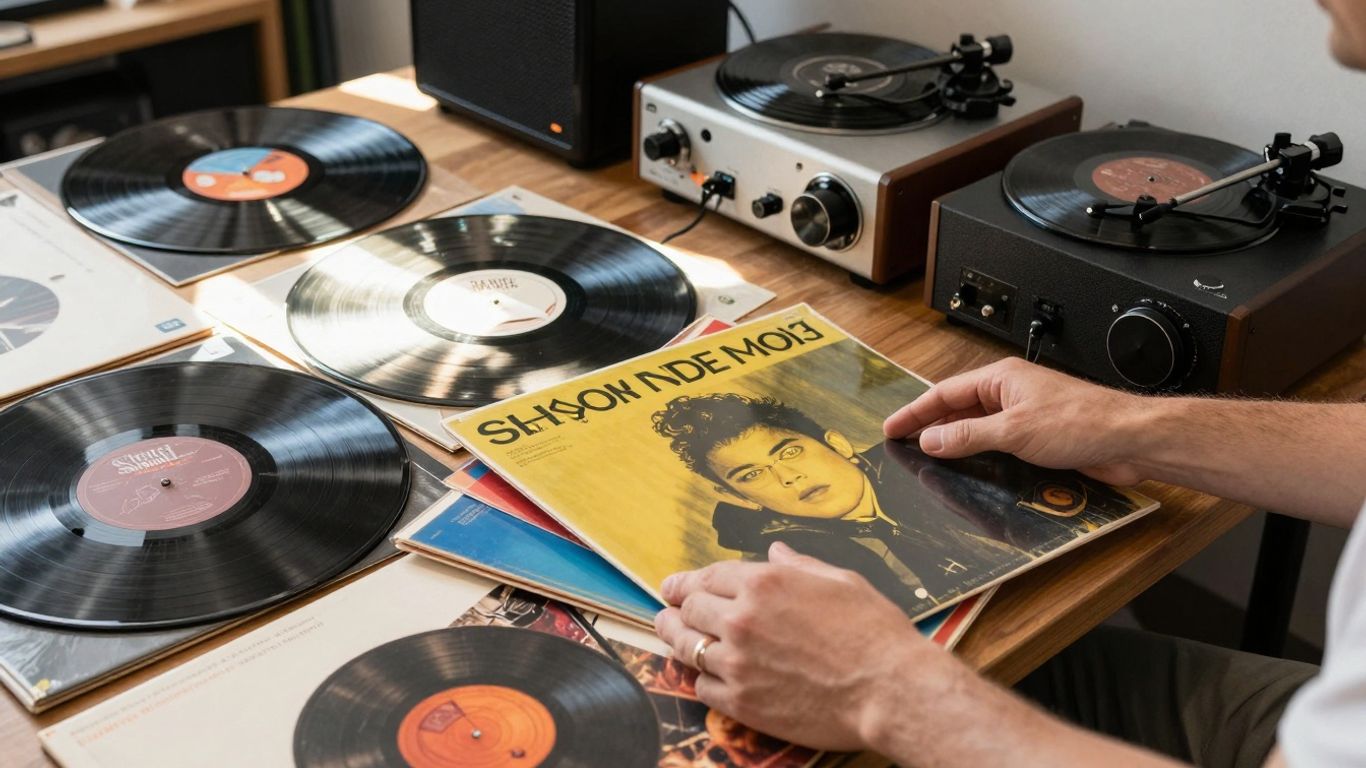
Alright, let's talk about the heart of your operation: your beat catalog. Think of it as your personal vault, stuffed with all the sonic gold you've ever cooked up. It's not just a random collection of tunes; it's your professional resume, your financial safety net, and your creative playground all rolled into one. Seriously, this is where the magic happens and the money starts flowing.
What Exactly Is a Beat Catalog?
So, what's this 'catalog' thing? Basically, it's every single beat you've ever made, from that first clumsy loop to your latest polished banger. We're talking about everything: beats that are ready to go, ones that are still in the demo phase, rough mixes, final masters – the whole shebang. It's the tangible result of all those late nights and caffeine-fueled sessions. It's your output, your body of work, and it's what you'll use to sell beats, land placements, or even do some ghost production work. It’s the pot of gold at the end of your rainbow, and you’ve gotta keep it organized!
Why Your Beat Portfolio is Your Golden Ticket
Why bother with all this organization? Because your beat portfolio is your golden ticket to making a living (or at least some decent side cash) from your music. Imagine a potential client or collaborator stumbling upon your work. If it's a disorganized mess, they'll likely bounce. But if they see a well-curated collection of high-quality beats, they'll be hooked. It shows professionalism, dedication, and a serious understanding of your craft. Plus, having a solid catalog means you're always ready to capitalize on opportunities, whether it's a last-minute sync request or a chance to collaborate with a hot new artist. It's your business card, your demo reel, and your storefront, all in one.
From Demo to Dough: Organizing Your Masterpieces
Okay, so you've got beats scattered across hard drives and cloud storage like confetti after a parade. Time to wrangle that chaos! Here’s a simple way to start thinking about organizing:
- Categorize by Genre/Mood: Group similar beats together. Are they trap bangers, lo-fi chillers, or R&B slow jams? This helps buyers find what they're looking for quickly.
- Tag Everything: Use keywords! Think genre, mood, BPM, key, instrumentation, and even potential uses (e.g., 'workout,' 'vlog,' 'commercial'). The more tags, the better.
- Keep Track of Status: Is it a finished track, a demo, or a work-in-progress? Knowing this helps you manage your workflow and know what's ready for sale.
- Metadata is Your Friend: Don't skip the details! Genre, BPM, and key are non-negotiable for online marketplaces. It’s like putting a clear label on your product.
Think of your catalog not just as a collection of songs, but as a system. A well-oiled machine that turns your creative output into potential income. The more organized you are, the easier it is for others to find, license, and fall in love with your sound.
Crafting Your Sonic Identity: The Art of Beat Making
Alright, so you've got your beat catalog idea brewing, but what are you actually going to put in it? Before you start filling hard drives with sonic goodness, you gotta figure out what kind of beats you're even making. This is where we get to play mad scientist with sound and build your unique musical fingerprint.
Defining Your Vibe: Genre, Mood, and BPM Bliss
Think of this as picking your flavor. Are you the kind of producer who makes heads nod with gritty boom-bap, or do you prefer crafting ethereal soundscapes for chill lo-fi sessions? Maybe you're all about that high-energy trap or house music that makes people move. Your genre choice is like the foundation of a house; everything else gets built on top of it. It influences your sound selection, your drum patterns, and even how you arrange your tracks. Don't be afraid to mix and match, but having a general direction helps a ton. And don't forget the BPM (beats per minute)! This is the heartbeat of your track. A slow, moody beat at 70 BPM feels way different than a frantic club banger at 140 BPM. Find what feels right for the vibe you're going for.
Choosing Your Weapon: The Digital Audio Workstation (DAW)
This is your digital studio, your playground, your everything. Your DAW is the software where you'll actually build your beats. There are tons of options out there, each with its own quirks and strengths. You've got giants like Ableton Live, known for its live performance capabilities, or FL Studio, a favorite for many beatmakers due to its fast workflow. Then there are others like Logic Pro, Pro Tools, or even free options like GarageBand if you're just starting out. The key here isn't to find the 'best' DAW (spoiler: it doesn't exist), but to find one that clicks with you. Spend some time with a few, watch some tutorials, and pick the one that feels most intuitive. Once you've chosen your weapon, commit to learning it inside and out.
Laying Down the Law: Drumming Up Your Foundation
Okay, you've got your vibe and your DAW. Now it's time to get down to business: drums! The drums are the backbone of almost every beat. They provide the rhythm, the energy, and the groove. You can't have a head-nodding track without a solid drum foundation. This is where you'll start building your rhythmic patterns. Think about the kick drum – is it punchy and driving, or more subtle? How about the snare? Is it sharp and cracking, or does it have a bit more body? And the hi-hats – are they fast and intricate, or simple and steady? Experimenting with different drum sounds and patterns is key to finding that perfect groove. Don't just slap a pre-made loop in there; try programming your own patterns. It might feel a bit clunky at first, but trust me, it's worth it.
Building a strong drum foundation is like learning to walk before you can run. Get those kicks, snares, and hats sounding right, and the rest of your beat will fall into place much more easily. It's the rhythmic glue that holds everything together.
Building Blocks of Brilliance: From Drums to Basslines
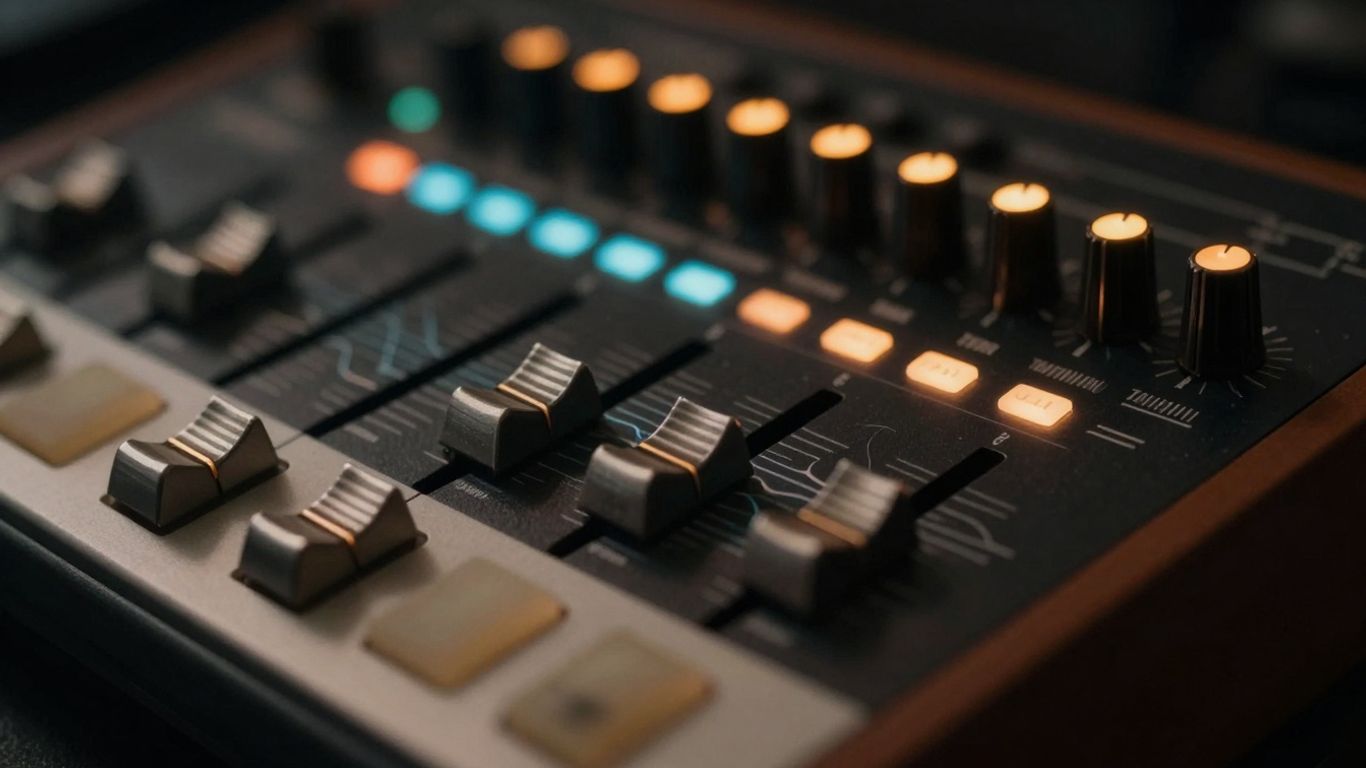
Alright, so you've got your vibe dialed in and your DAW is humming. Now it's time to actually build something that sounds like music! We're talking about the core elements that make a beat a beat: the drums and the bass. Get these right, and everything else just falls into place. It’s like building a house – you need a solid foundation before you start worrying about the paint color.
The Rhythmic Backbone: Mastering Your Drum Patterns
This is where the magic starts. Drums are the heartbeat of your track. Without them, you've just got a nice little melody floating in space, which is cool for like, five seconds. You need that thump, that snap, that shhh to make people move.
- The Kick Drum: This is your low-end anchor. Think of it as the pulse. A classic starting point is hitting on beats 1 and 3 in a four-beat measure. Want something a bit more modern? Try putting a kick on every beat, or get fancy with some syncopated rhythms. Just don't let it fight with your bassline later – we'll get to that.
- The Snare or Clap: This is your groove's backbone. Most of the time, you'll want this hitting on beats 2 and 4. It’s a tried-and-true pattern that just works. It gives your beat that classic 'boom-bap' feel that’s hard to ignore.
- Hi-Hats: These add movement and energy. Start simple with steady eighth notes, then maybe add some faster 16th-note rolls for that trap feel, or keep it chill with a simple shaker. Don't be afraid to layer different hat sounds to get a richer texture.
Pro Tip: Don't just plop notes down and call it a day. Humanize your patterns by slightly changing the velocity (how hard the note hits) of individual drums. It makes them sound way less robotic and more like a real drummer is playing them. Nobody likes a robot drummer.
Feeling the Low End: Basslines That Make Heads Nod
Okay, drums are in place. Now, let's add some weight. The bassline is what connects your drums to your melodies. It’s the glue that makes everything feel full and satisfying. A good bassline can turn a decent beat into something truly infectious.
- Follow the Chords: A simple way to start is to have your bass notes follow the root notes of the chords you're using. This keeps things sounding harmonically sound. If your chord is a C major, your bass note is likely a C.
- Rhythm is Key: Just hitting the root notes isn't enough. You need to give your bassline a rhythm. Try making it play off the kick drum. Maybe it hits right after the kick, or maybe it holds out longer. This interplay is what creates that irresistible head-nodding groove.
- Sound Choice Matters: The type of bass sound you choose can totally change the mood. A deep sub-bass is great for pure power, a synth bass can be punchy and aggressive, and an electric bass sample can give you a more organic, live feel. Experiment to find what fits your track.
Don't let your bass and kick drum fight for the same sonic space. A common trick is to use sidechain compression. This means the bass volume dips slightly every time the kick hits, making the kick punch through clearly and keeping your low end clean and powerful. It sounds technical, but it makes a huge difference.
Beyond the Basics: Adding Melodies and Harmonies
With drums and bass locked in, you've got a solid foundation. Now you can start adding the melodic and harmonic elements that give your beat its character and emotion. This is where you can really start to express yourself.
- Chord Progressions: These are the harmonic building blocks. They create the mood and emotional journey of your track. You don't need to be a jazz genius; simple, repeating progressions are often the most effective. Think about how chords make you feel – do they sound happy, sad, tense, or resolved?
- The Main Melody: This is often the hook, the part people remember. It should complement your chord progression and be catchy. It could be played on a piano, a synth, a guitar, or even a vocal chop. Keep it simple at first; a memorable two- or four-bar melody is often all you need.
- Layering and Texture: Once you have your main melody and chords, think about adding supporting elements. These could be pads that fill out the background, counter-melodies that weave around your main tune, or even subtle sound effects that add interest. Just don't overcrowd the mix – leave space for the artist who might want to rap or sing over your beat.
Arranging Your Audio Masterpiece: Structure is Key
Alright, so you've got your killer drum loop, a bassline that makes your speakers sweat, and maybe a catchy melody floating around. Now what? It’s time to take that awesome loop and turn it into a full-blown track, a journey for your listener. Think of it like building a house – you can't just have a pile of bricks; you need walls, rooms, a roof. Your beat needs that same kind of thoughtful construction.
From Loop to Legend: Structuring Your Track
This is where you transform that 4 or 8-bar loop into something that feels like a complete song. The goal is to keep things interesting, to build and release tension, and to give the listener a reason to stick around. You'll want to organize your different sounds onto separate tracks in your Digital Audio Workstation (DAW). This gives you way more control over how everything fits together. A well-arranged beat tells a story, and that's what makes it memorable.
The Intro Hook: Building Anticipation
Don't just drop everything at once! Your intro is your handshake with the listener. Start sparse. Maybe just a filtered version of your main melody, a lone hi-hat pattern, or a cool atmospheric sound. You want to tease what's coming, build a little mystery, and get people curious. Think of it as slowly opening the curtains before the main show.
Verse, Chorus, Bridge: The Song's Emotional Arc
This is the meat and potatoes of your track. The verse is usually where things are a bit more laid back, giving space for lyrics (or just letting the beat breathe). You might drop out a few elements here, like a hi-hat or a pad, to create subtle shifts. Then comes the chorus – the big payoff! This is where you bring in all the energy, all the main elements, making it the most impactful part. The bridge is your chance to switch things up. Introduce a new sound, strip the beat back to just drums and bass, or create a moment of calm before launching back into another chorus. It’s all about creating dynamics and keeping the listener engaged. A good structure helps your beat feel complete, like a well-crafted piece of music arrangement.
The Grand Finale: Crafting a Memorable Outro
How do you end it? Fading out is an option, but sometimes a more creative ending works better. You could strip the beat down to just a single element, like the bassline or a repeating vocal sample, and let that fade. Or maybe a sudden stop? Whatever you choose, make it feel intentional. You want the listener to be left thinking, "Wow, that was cool," not just wondering when it will end.
Polishing Your Sound: The Professional Touch
Alright, you’ve got a killer beat cooking. It’s got rhythm, it’s got melody, it’s got that oomph. But before you slap that "For Sale" sign on it, we gotta make it shine. Think of this stage like taking your beat to the spa – a little pampering goes a long way.
Mixing Magic: Balancing Your Sonic Elements
This is where you make sure everything in your beat plays nice together. No one instrument should be shouting over the others. You’re the conductor of this orchestra, and your job is to make sure every instrument has its moment without causing a sonic traffic jam. We're talking about getting your kick drum to hit hard, your snare to snap, and making sure your bassline isn't fighting with the kick for low-end real estate. A common trick is sidechain compression, where the bass slightly ducks out of the way when the kick hits. It sounds technical, but it just means making space so your low end feels clean and powerful.
Effects Extravaganza: Adding Space and Sparkle
Now for the fun stuff! Effects are like the glitter and confetti of beat-making. Reverb can make your sounds feel like they're in a huge hall or a tiny room, adding depth. Delay can create cool echoes that bounce around. EQ (that's equalization) is your best friend for cleaning up muddy frequencies – think of it as tidying up your sound's room. Don't go overboard, though; a little sparkle is good, a disco ball overload is… a lot.
Ear Candy and Transitions: Keeping Listeners Hooked
Ever heard a little sound effect or a vocal snippet that just made you go, "Ooh, what was that?" That's ear candy! It’s those little sonic treats that keep a listener engaged. Think short vocal chops, weird sound effects, or even reversed sounds. Transitions are how you move from one section of your beat to another. Risers can build tension before a drop, and sweeps can smoothly guide the listener. These little details make your beat feel more like a journey and less like a loop stuck on repeat.
Making your beat sound good on any system – from tiny earbuds to massive studio monitors – is the ultimate goal here. It’s about making sure your hard work translates, no matter where it's played.
Showcasing Your Sound: Navigating the Beat Marketplace
Alright, you've been cooking up some serious heat in the studio, and now it's time to let the world hear it – and maybe even pay for it! This is where the beat marketplace comes in. Think of it as your virtual storefront, a place where artists looking for that perfect sonic backdrop can find you. It's not just about uploading a few tracks and hoping for the best; it's about playing the game smart.
Finding Your Niche: Understanding Buyer Behavior
So, who's actually buying beats? It's a mix, really. You've got aspiring artists trying to get their first mixtape off the ground, established rappers looking for that next hit, and even filmmakers or content creators needing background music. Understanding what these different buyers are looking for is key to selling your beats. Are they after a specific vibe, like a 'Drake type beat' or something more experimental? Do they need a track for a sad ballad or an aggressive banger? Paying attention to what's trending and what kind of beats are getting snapped up can give you a serious edge. It's like people-watching, but for music.
Listing Like a Pro: The Power of Metadata
This is where things get a little less glamorous but super important. Metadata is basically the info attached to your beat: genre, BPM, key, mood, and especially, the usage rights. If you want your beats to be found, you have to fill this out completely. Seriously, don't skip this. Buyers use these details to filter through thousands of tracks. Missing info means your beat is basically invisible. Think of it like this:
| Field | Importance | Example |
|---|---|---|
| Genre | High | Hip Hop, Trap, R&B, Pop |
| BPM | High | 90, 120, 140 |
| Key | Medium | C Minor, G Major |
| Mood | Medium | Energetic, Chill, Dark, Melancholic |
| Usage Rights | Critical | Lease (Basic, Premium), Exclusive Rights |
Also, don't be afraid to throw in some descriptive tags. If your beat has a certain feel, label it! This helps buyers stumble upon your work when they're not even sure what they're looking for. You can even check out platforms like Fiverr to see how other producers are tagging their tracks.
Standing Out from the Crowd: Analyzing the Competition
Look, you're not the only producer out there. That's a given. But that doesn't mean you can't carve out your own space. Spend some time browsing the marketplaces yourself. What are the top sellers doing? What kind of beats are getting featured? Are they offering special deals, like 'Buy One Get One Free'? Sometimes, just seeing what works for others can spark ideas for your own strategy. It's not about copying, but about learning the landscape. You might even find some cool collaborations or inspiration for your next track. Remember, the goal is to make your beats not just heard, but chosen.
The Long Game: Growing Your Beat Portfolio
So, you've built a killer collection of beats. Awesome! But here's the thing: the music world moves fast, and your catalog needs to keep up. Think of it like tending a garden; you can't just plant seeds and expect a forest. You gotta water, weed, and keep planting. This is where the 'long game' comes in, and trust me, it's way more fun than it sounds.
Consistency is King: Keep Those Beats Coming!
Seriously, don't get lazy. The more beats you put out, the more chances you have of someone finding that perfect track they've been dreaming of. It's a numbers game, but it's also about showing you're serious. Aim for a regular output, even if it's just one or two new beats a week. Your buyers and potential collaborators will notice.
- Set a realistic weekly or monthly goal. Maybe it's 4 new beats a month, or 10. Whatever works for you.
- Batch your work. Dedicate specific days to creating, mixing, and uploading. It's way more efficient.
- Don't wait for inspiration to strike. Sometimes you just gotta sit down and make something happen. The muse often shows up when you're already working.
Embrace Experimentation: Discover Your Unique Sound
While consistency is important, don't get stuck in a rut. The magic happens when you start playing around. Try new genres, mess with weird sounds, collaborate with other producers. You might stumble upon something totally unexpected that becomes your signature sound. Remember how Lil Nas X found his hit with a $30 beat? You never know where your next big thing will come from.
The most exciting discoveries often happen when you're not looking for them. Just keep creating, and let your curiosity lead the way. Your unique flavor is what will make you stand out.
Learn, Grow, Repeat: The Producer's Perpetual Journey
This whole beat-making thing? It's a marathon, not a sprint. Every beat you make, every sale you get (or don't get), is a lesson. Pay attention to what's selling, what feedback you're getting, and what trends are popping up. But don't just chase trends; use them as a springboard for your own ideas. Keep learning new production tricks, stay updated on your DAW, and most importantly, keep having fun with it. Your beat catalog isn't just a collection of files; it's a living, breathing testament to your journey as a producer.
Building a strong collection of beats takes time and smart choices. Think of it like planting seeds for a great harvest. Want to learn how to grow your beat library the right way? Check out our tips and tricks on our website!
So, You've Built Your Beat Empire!
Alright, you've done it! You've wrangled all those dope beats into a catalog that's ready to make you some serious cash. It might have felt like herding cats at times, or maybe like trying to explain TikTok dances to your grandma, but look at you now! You've got a treasure chest of beats just waiting to be discovered. Remember, this catalog isn't just a bunch of files; it's your ticket to new opportunities, collaborations, and maybe even that sweet, sweet passive income. Keep adding to it, keep promoting it, and most importantly, keep making more fire beats. Now go forth and get those placements!
Frequently Asked Questions
What exactly is a beat catalog?
Think of your beat catalog like your personal music vault. It's where you keep all the beats you've made, whether they're finished, just started, or somewhere in between. It's basically the collection of all your hard work that you can use to sell, get noticed, or even get hired to make music for others.
Why is having a beat catalog so important?
Your beat catalog is your golden ticket to making money and getting your music heard. It shows what you can do and is the source for selling beats, landing deals, or getting your music placed in movies or commercials. It's the proof of your talent and hard work.
How do I find beats I like on a music website?
When you're looking for beats on a marketplace, use the search filters! It's like searching for the perfect sample. Websites have different ways of showing beats, so check out how they work. Look at what's popular and what buyers seem to want. Try to see things from the buyer's point of view, not just your own as a seller.
What makes a beat listing stand out?
To make your beats easy to find and sell, make sure you fill out all the details. This includes the genre, the speed (BPM), the key, and what rights people get when they buy. Being super clear and detailed helps a lot.
How do I start making beats if I'm new?
You don't need fancy equipment to start. You'll need a computer with a program called a DAW (Digital Audio Workstation), some sounds, and maybe a few extra tools. The most important thing is to just start creating, experiment with different sounds, and don't worry if your first beats aren't perfect. Every beat you make is a chance to learn.
How do I make my beat sound professional?
After you've made your beat, you need to mix it. This means making sure all the sounds are balanced and clear. You can also add effects like reverb to make it sound bigger or delay for cool echoes. Little touches like sound effects or smooth transitions can make your beat sound polished and keep people listening.


