

So, you've been making some killer sounds and thinking, 'Hey, maybe I can actually sell these?' That's awesome! Getting into the sample pack business might seem a bit daunting at first, but honestly, it's totally doable. You've got the talent, and with a few pointers, you can turn your audio creations into a nice little income stream. Let's figure out how you can make some real money from your sonic wizardry, without getting lost in all the technical stuff.
Key Takeaways
- Figure out what kind of sounds you're good at making and what people actually want to buy. Don't just make random noises; find your niche.
- Pick a good place to sell your sample packs. Think about what makes it easy for you and your customers.
- Don't forget about the legal side of things, like licensing. You want to make sure you're covered.
- Tell people about your amazing sounds! Use demos and social media to get the word out.
- Think about how to grow your business, like making bundles or offering subscriptions. Keep it fresh and keep selling.
Unleash Your Inner Sound Alchemist: Crafting Killer Sample Packs
Alright, let's talk about making some noise – the good kind, the kind that pays. You've got a knack for sounds, a head full of beats, and maybe a room full of gear (or just a killer laptop). It's time to turn that sonic talent into something tangible, something producers everywhere will be itching to get their hands on: sample packs. Think of it as your personal treasure chest of audio goodness, ready to be plundered by the next big hitmaker.
The Golden Ticket: Why Sample Packs Are a Producer's Best Friend
Producers are always on the hunt for that perfect sound. Whether it's a snare that cracks like a whip, a bassline that rumbles your soul, or a vocal chop that just hits different, samples are the building blocks of modern music. They save producers time, spark creativity, and let them experiment without having to record everything from scratch. Seriously, a well-crafted sample pack can be the difference between a producer staring at a blank DAW and them dropping a banger. It’s like giving them a shortcut to awesome. Plus, with the music industry constantly evolving, the demand for fresh, unique sounds is always high. Think about iconic tracks; chances are, a killer sample played a huge role. It's a win-win: you get to share your sonic creations, and they get the tools to make their music shine.
Beyond Beats: Exploring the Diverse World of Audio Assets
When you think 'sample pack,' you might picture drum loops and synth stabs. And yeah, those are great! But the world of audio assets is way bigger than just beats. You can get creative with all sorts of sounds:
- Atmospheres and Textures: Think ambient pads, field recordings, or abstract soundscapes. These add depth and mood to tracks.
- Vocal Chops and Phrases: Short, catchy vocal snippets can be incredibly versatile.
- Instrument One-Shots: Individual notes or short bursts from instruments – a perfect kick, a crisp hi-hat, a plucked guitar string.
- FX and Transitions: Risers, downsweeps, impacts, and other sound effects to add polish and movement.
- Foley and Found Sounds: Everyday objects recorded and manipulated into unique sonic elements.
Don't be afraid to get weird! The more unique your sounds, the more likely they are to stand out. You could even focus on specific genres or moods, like lo-fi hip-hop textures or aggressive dubstep growls. The key is to offer something that producers can't easily find elsewhere. Maybe you've got a knack for recording vintage synths or a talent for capturing the perfect rainstorm sound. Whatever your sonic signature, package it up!
Your Sonic Signature: Finding Your Niche in the Sample Pack Business
Trying to be everything to everyone is a recipe for disaster. The sample pack market is crowded, so you need to figure out what makes you special. What kind of sounds do you love making? What genres are you most passionate about? Are you amazing at crafting gritty, distorted bass sounds, or do you have a gift for delicate, ethereal melodies? Identifying your niche is your secret weapon.
Consider these questions:
- What music do you listen to and create?
- What sounds are you constantly searching for but can't find?
- What unique instruments or recording techniques do you have access to?
For example, maybe you're a wizard with analog synths, or perhaps you have a collection of rare ethnic instruments. You could specialize in retro 80s synthwave packs, or maybe focus on hyper-realistic foley sounds for film scoring. Even something as specific as "90s rave stabs" or "cinematic orchestral hits" can be a strong starting point. Building a reputation in a specific niche makes you the go-to person for those sounds. It also helps with marketing because you know exactly who you're talking to. You might even find that producers who love your niche packs will check out your other work, like the amazing tools offered by Shadow Samples. Being known for something specific is way better than being known for nothing at all.
From Bedroom Producer to Business Mogul: Setting Up Shop
Alright, so you've cooked up some seriously awesome sounds. Now what? It's time to turn that sonic gold into actual cash. This isn't just about making beats anymore; it's about building a business. Let's get your sample pack empire off the ground.
Choosing Your Digital Dojo: Platforms for Selling Your Sound
Think of this as picking the right stage for your music. You need a place where people can easily find, buy, and download your samples. There are a bunch of options, each with its own vibe.
- Marketplaces: Sites like Splice, Loopmasters, or even Etsy can be great starting points. They already have a ton of traffic, so people are actively looking for what you offer. The downside? They take a cut, and you're sharing the spotlight with everyone else.
- Your Own Website: Using platforms like Shopify, Sellfy, or Gumroad lets you build your own branded store. This gives you total control over pricing, customer experience, and keeping more of the profit. It takes more effort to drive traffic, but it's your digital kingdom.
- Subscription Services: Some platforms let you offer your samples as part of a subscription. This can be a sweet way to get steady income, but you'll need a good library of sounds to keep subscribers happy.
The key is to pick a platform that fits your current setup and your long-term goals. Don't overcomplicate it at first; you can always expand later.
Pricing Your Precious Samples: Don't Undersell Your Genius
This is where a lot of new creators stumble. You pour your heart and soul into these sounds, so don't just slap a dollar sign on them without thinking. Pricing is part art, part science.
Here’s a rough idea to get you started:
| Pack Type | Typical Price Range | Notes |
|---|---|---|
| Single Drum Hit | $0.10 - $0.50 | Often bundled or given away as freebies |
| Melody Loop | $5 - $20 | Depends on complexity and uniqueness |
| Full Drum Kit | $15 - $40 | Quality and quantity matter here |
| Genre-Specific Pack | $25 - $75+ | The more niche and high-quality, the higher |
| Construction Kit | $30 - $100+ | Includes stems, MIDI, and full mixes |
Consider these factors:
- Quality: Are these studio-grade, professionally mixed sounds, or something you whipped up on your laptop?
- Quantity: How many samples are in the pack? A few dozen or hundreds?
- Uniqueness: Is this a common sound, or something totally fresh that producers will be clamoring for?
- Your Audience: What can your target market realistically afford?
- Competitors: What are similar packs selling for?
Don't be afraid to charge what you're worth. If your samples help someone make a hit song, they're worth a decent amount. Start a bit higher and offer discounts rather than starting too low and having to raise prices later.
Licensing Lowdown: Keeping It Legal and Profitable
This is super important, and honestly, a bit of a headache if you don't get it right. Licensing is basically the permission slip that tells people how they can and can't use your samples.
Most sample pack creators use one of two main types of licenses:
- Royalty-Free: This is the most common. It means once someone buys your pack, they can use those samples in their music (even commercially) without paying you any extra royalties. You get paid upfront when they buy the pack.
- Royalty-Split: This is less common for sample packs but sometimes pops up. It means if the buyer's track using your sample becomes a hit and makes money, you get a percentage of those earnings. This requires more tracking and agreement.
Always be clear about your license terms. Most platforms have standard options, but if you're selling directly, make sure you have a clear license agreement. This protects you and sets expectations for your customers. Getting this right means you can sleep soundly knowing your business is on solid ground.
The Art of the Deal: Marketing Your Masterpieces
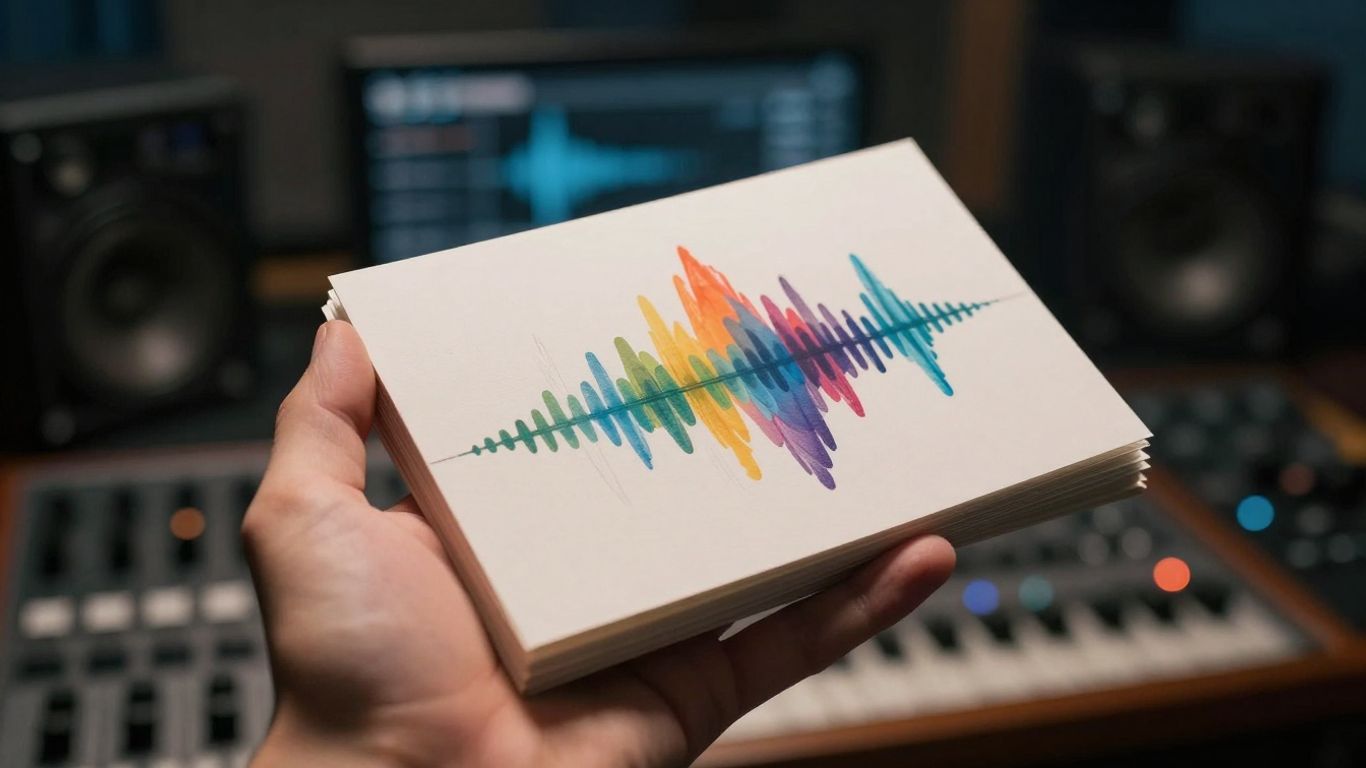
Alright, you’ve spent hours, maybe days, crafting the most epic sound packs known to humankind. They’re polished, they’re unique, and they’re ready to blow some minds. But here’s the kicker: nobody’s going to buy them if they don’t know they exist, right? This is where the fun part – the marketing – kicks in. Think of it as throwing a killer party; you gotta invite people for it to be a success.
Show, Don't Just Tell: Demos That Dazzle
Forget just listing what’s in your pack. Producers want to hear what they’re buying. You need to create demos that make them go, “Whoa, I need that now.” This means putting together short, punchy tracks or loops that showcase the absolute best sounds from your pack. Don't just slap a few loops together; make a mini-masterpiece that screams quality and vibe. Think about the genre your pack is for and create a demo that fits perfectly. If it’s a trap pack, make a banger. If it’s ambient, create a chill soundscape. The goal is to make them imagine their own tracks with your sounds.
Here’s a quick rundown on making killer demos:
- Highlight Key Sounds: Make sure your most unique and impactful sounds get a moment to shine.
- Keep It Short and Sweet: Aim for 30-60 seconds. Attention spans are short, especially online.
- Show Versatility: If your pack can be used in multiple ways, hint at that in the demo.
- Professional Mix: Make sure the demo sounds as good as any professionally produced track.
Building Your Tribe: Engaging with Your Audience
Selling sample packs isn't just about transactions; it's about building a community. People want to connect with the creators behind the sounds they love. Start by being present where your potential customers hang out – forums, social media groups, Discord servers. Share your process, ask for feedback, and genuinely interact with people. When you treat your audience like friends and collaborators, they’re more likely to become loyal customers and even advocates for your brand.
Building a community means being more than just a seller. It's about being a resource, a fellow music lover, and someone people can rely on for inspiration and quality tools. When you show up consistently and authentically, you'll find that people start to trust you and your products.
Social Media Sorcery: Spreading the Word Like Wildfire
Social media is your playground for getting the word out. Don't just post a link and hope for the best. Get creative! Use platforms like Instagram, TikTok, and YouTube to share behind-the-scenes glimpses of your sound design process, quick tips and tricks related to your pack’s genre, and, of course, those killer demos. Short video clips showing off a cool drum loop or a unique synth texture can be incredibly effective. Run contests, ask questions, and use relevant hashtags to get your content seen by more people. Consistency is key here; keep showing up and sharing your passion for sound.
Consider these social media tactics:
- Reels/TikToks: Quick, engaging videos showcasing sounds in action.
- Instagram Stories: Behind-the-scenes, Q&As, polls to engage your audience.
- YouTube: Longer-form content like tutorials using your packs or producer spotlights.
- Collaborations: Partner with other producers or influencers to reach new audiences.
Beyond the Basics: Leveling Up Your Sample Pack Empire

Alright, so you've got your sample packs out there, and maybe they're even selling! That's awesome. But why stop there? You've built a solid foundation, now it's time to add some extra floors to your sonic skyscraper. Let's talk about making your sample pack business even bigger and better.
Bundle Bonanza: Creating Irresistible Packages
Think about it: sometimes one amazing sample pack is great, but a whole collection? That's a party! Bundling is your secret weapon for moving more product and making your customers feel like they're getting a steal. Instead of just selling individual packs, group related ones together. Maybe you have a "Chill Lo-fi Vibes" pack and a "Rainy Day Beats" pack. Combine them into a "Cozy Creator Bundle" and charge a bit more than you would for each individually. People love a good deal, and a bundle screams "deal!"
Here's a quick breakdown of how to think about bundles:
- Theme It Up: Make sure the packs in your bundle actually make sense together. A "Heavy Metal Drum Kit" and a "Smooth Jazz Saxophone" pack probably shouldn't be bundled unless you're going for some avant-garde chaos.
- Value Proposition: The bundle price should be noticeably less than buying each pack separately. This is key to making it feel like a bargain.
- Tiered Options: Consider offering different bundle sizes. A "Starter Bundle" with 2-3 packs and a "Mega Bundle" with 5+ packs can appeal to different budgets.
Subscription Serenity: Recurring Revenue for the Win
Imagine getting paid regularly, without having to constantly launch new products. That's the magic of subscriptions! This is where you can really build a stable income stream. You could offer a monthly or yearly subscription that gives members access to a library of your sounds, or maybe they get a brand new exclusive pack every month.
- Exclusive Content: Make subscribers feel special. Give them access to sounds or tools that aren't available anywhere else.
- Community Perks: Throw in things like early access to new packs, Q&A sessions, or even a private Discord channel.
- Keep It Fresh: Regularly update your subscription library or release new content to keep subscribers engaged and happy.
Building a subscription model takes a bit more planning upfront, but the long-term payoff in predictable income is totally worth the effort. It turns your business from a series of one-off sales into a steady flow of cash.
Collaborate and Conquer: Partnering for Bigger Reach
You're not alone in this! Working with other producers or artists can be a game-changer. Think about teaming up with someone who makes a different style of sound than you. You could create a joint sample pack, cross-promote each other's work, or even host a collaborative contest. This exposes your sounds to a whole new audience that might not have found you otherwise. It's like getting a cheat code for growth!
- Find Your Match: Look for creators whose audience and style complement yours.
- Define Roles: Clearly decide who's doing what and how the profits will be split.
- Promote Together: Make sure both parties are actively promoting the collaboration to their respective fan bases.
Avoiding the Pitfalls: Common Sample Pack Business Blunders
Alright, let's talk about the stuff that can trip you up when you're trying to make a buck selling your awesome sounds. It's not all sunshine and perfectly pitched snares out there, you know?
The Quality Conundrum: Don't Let Your Samples Sound Like Crap
This is the big one, folks. If your samples sound like they were recorded on a potato in a tin can, nobody's gonna buy 'em. Seriously. You gotta make sure your audio is clean, clear, and actually sounds good. Think about it: producers are buying your sounds to make their tracks better, not worse. So, get yourself some decent gear, learn how to mix and master, and test your samples before you even think about uploading them.
- Clean Recordings: No background noise, no clipping, just pure sound.
- Consistent Levels: Make sure everything is at a similar volume so producers don't have to fiddle too much.
- Genre Appropriateness: Does that dubstep wobble really fit in a chill lo-fi pack? Probably not.
Your samples are the building blocks for someone else's masterpiece. Treat them with the respect they deserve, and your customers will thank you (and pay you).
The Overwhelm Overload: Staying Organized in the Chaos
So you've got a million ideas and a hard drive full of loops. Awesome! But if you can't find anything, or if you're constantly forgetting what you've already made, you're gonna get bogged down. Get a system going, stat!
-
Naming Conventions: Be consistent!
kick_deep_punchy_01.wavis way better thanbeat1_final_reallyfinal.wav. - Folder Structure: Organize by instrument, genre, mood, whatever makes sense to you.
- Metadata: Tag your files properly. It helps you and it helps your customers search.
The AI Apocalypse: Standing Out in a Sea of Synthetics
Yeah, AI can churn out sounds these days. It's kinda wild. But here's the thing: AI doesn't have your soul, your unique vibe, or your weird little happy accidents that make a sound truly special. Don't get scared; get creative!
- Focus on Your Niche: What kind of sounds do you make better than anyone else?
- Add Human Touch: Record real instruments, use analog gear, embrace imperfections.
- Tell Your Story: Why did you make these sounds? What's the inspiration? People connect with that.
Starting a sample pack business can be tricky. Many creators make the same mistakes, like not knowing their audience or setting prices wrong. These common slip-ups can really hurt your chances of success. Don't let these blunders stop you! Learn how to avoid them and build a thriving business. Visit our website today to discover the secrets to a successful sample pack venture!
So, Go Make Some Noise (and Money!)
Alright, you've officially got the lowdown on how to turn those awesome sounds you create into cold, hard cash. It's not rocket science, but it does take a bit of hustle. Remember, your sample packs are like your musical babies – nurture them, market them like you mean it, and don't be afraid to get a little weird with your niche. Whether you're dropping beats for trap producers or crafting spooky sound effects for horror game devs, there's a market out there hungry for what you've got. So stop just dreaming about it and start doing it. Go forth and make those samples sell!
Frequently Asked Questions
What exactly is a sample pack, and why do people buy them?
Think of a sample pack as a collection of small audio clips, like drum beats, cool synth sounds, or even vocal snippets. Musicians and producers use these to build their own songs. It's like having a box of LEGOs for music – they can mix and match to create something totally new without having to record everything themselves.
How do I figure out what kind of sample packs to make?
You'll want to find your own special sound! Think about the music you love to make or listen to. Are you into hip-hop, electronic music, or something else? Focusing on a specific style or type of sound, like '80s synthwave drums' or 'lo-fi vocal chops,' can help you stand out from the crowd.
Where can I sell my sample packs online?
There are a few good spots! You can use websites like Sellfy or Gumroad, which are designed for selling digital stuff. Some people also use platforms like Etsy or even set up their own website. Each has its pros and cons, so check them out to see which fits you best.
How much should I charge for my sample packs?
This can be tricky! It depends on how many sounds are in the pack, how unique they are, and who you're selling to. Smaller packs might go for $10-$20, while bigger, more professional ones could be $50 or more. Don't forget to look at what similar packs are selling for.
Do I need to worry about legal stuff, like copyright?
Absolutely! This is super important. You need to make sure you have the right to sell the sounds you've created. If you're using sounds from somewhere else, you need to be sure they're royalty-free or that you have permission. Clearly stating the license for your packs is key to avoid problems.
How can I get people to actually buy my sample packs?
You've got to let people hear how awesome your sounds are! Create short audio demos that showcase your best samples. Share these demos on social media, music forums, and anywhere producers hang out. Building a connection with potential buyers and showing off your unique style goes a long way.


