

So, you've got beats that are ready to make some money in 2026. That's awesome! You've put in the work, and now it's time to see some return. Selling your beats, or 'music monetization' as they call it, can seem like a puzzle, but it's totally doable. We're going to break down how you can get your sounds out there, get paid, and keep your creative flow going. It's not just about uploading tracks; it's about smart selling and building something cool.
Key Takeaways
- You can make money by letting artists use your beats through leasing, but you keep your rights and can license the same beat to others.
- When you're pricing your beats, think about how good they are, how much experience you have, what kind of license you're offering (MP3, WAV, stems, or exclusive), and what other producers in your style are charging.
- Get your beats out there on places like BeatStars or Airbit, and don't forget to use social media like Instagram and TikTok to tell people about them.
- To make your beat offers more appealing, try putting together bundles, offering freebies, or adding extra services like mixing and mastering.
- Understanding different license types is super important for setting prices and managing your business, and building good relationships with artists means they'll come back to you.
The Digital Beat Boutiques You Need To Know
Alright, so you've cooked up some absolute bangers and you're ready to get them out there. But where do you actually sell these sonic masterpieces? It's not enough to just have fire tracks; you need to put them where the artists are actually looking. Think of it like setting up a food truck – you wouldn't park it in the middle of a cornfield, right? You gotta go where the hungry customers are!
BeatStars: The King Of The Castle
This is probably the biggest name in the game, and for good reason. BeatStars is super easy to use, lets you customize your own store to look exactly how you want, and boasts a massive community of both producers and artists. If you're serious about selling beats online, you pretty much have to be on BeatStars. It handles a lot of the boring stuff, like payment processing and sending out licenses, so you can get back to making more beats.
Airbit: Your Reliable Beat Sidekick
Airbit is another solid contender in the beat marketplace arena. It offers similar features to BeatStars, and it's known for being really reliable and having some great tools specifically built for producers. Think of it as your dependable partner, always there to help you get your beats sold without a hitch.
Traktrain: For The Curated Vibe
This platform has a slightly different feel, often appealing to producers who want a more curated, almost boutique-like experience. Traktrain is great for building a unique brand and attracting artists who are looking for something a little more specific. It’s a good spot if you want to stand out from the crowd with a distinct aesthetic.
Beyond The Lease: Diversifying Your Beat Income
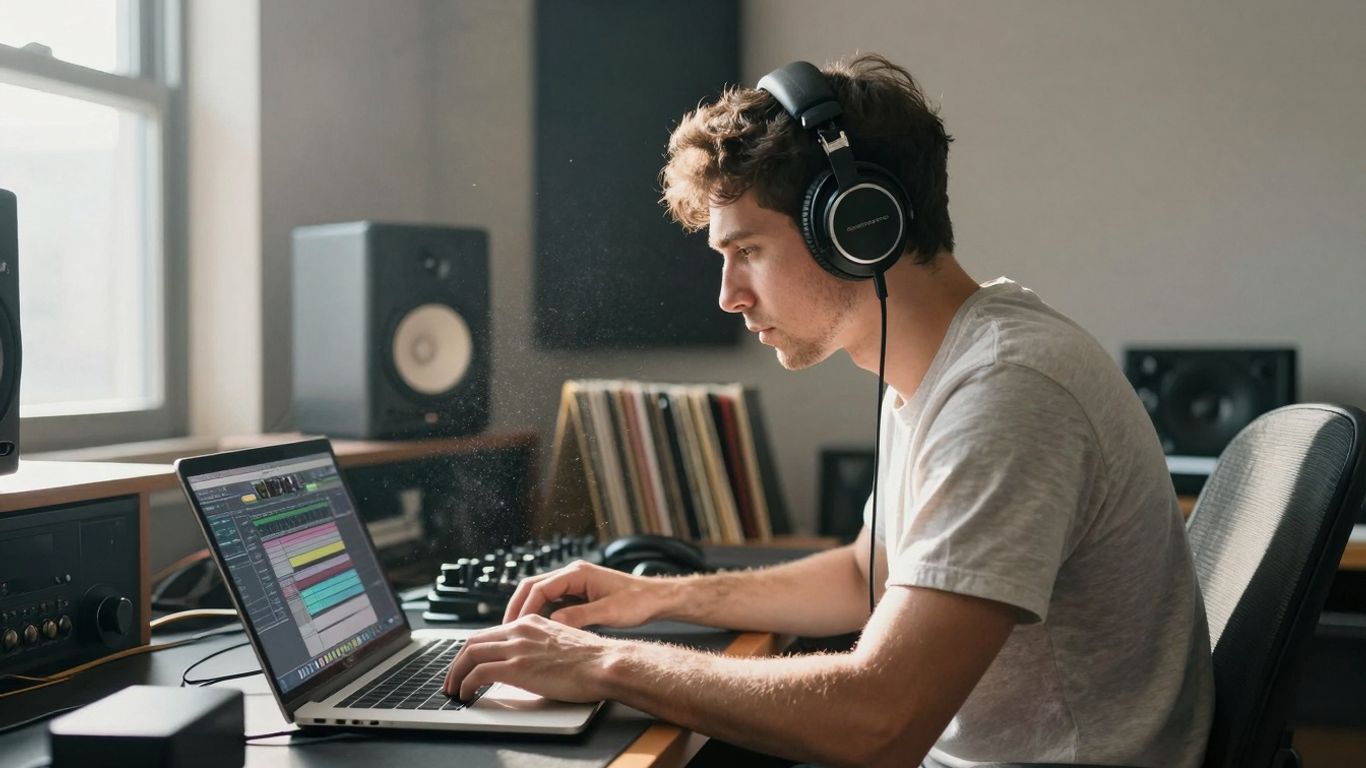
So, you've got beats that are ready to make some money. That's awesome! You've put in the work, and now it's time to see some return. Selling your beats, or 'music monetization' as they call it, can seem like a puzzle, but it's totally doable. We're going to break down how you can get your sounds out there, get paid, and keep your creative flow going. It's not just about uploading tracks; it's about smart selling and building something cool.
Sample Packs: Selling Your Secret Sauce
Think of sample packs and loop kits like the spice rack for other producers. You've got those killer drum loops, those unique synth one-shots, or that vocal chop that just hits different. Package them up! Artists and producers are always looking for fresh sounds to flip or build upon. It’s a fantastic way to get paid for those little sonic gems you create while working on your main beats. Plus, it's a way to get your sound out there in a different form. You can create packs based on specific genres, moods, or even just your signature sounds. This is your chance to sell your secret sauce directly to the creators.
Content Creator Goldmine: Licensing For The Masses
Beyond just rappers and singers, there's a whole universe of content creators out there who need background music. We're talking YouTubers, podcasters, social media influencers, even small businesses making explainer videos. Licensing your beats for these uses can open up a whole new revenue stream. It's often less about exclusive rights and more about providing a track that fits a specific mood or purpose. Think about creating a library of beats perfect for vlogs, gaming streams, or even corporate presentations. You can get paid for your music without it ever being the main focus of a song.
Live Shows & Merch: Turning Fans Into Walking Billboards
Don't sleep on the power of live performance and physical products. If you perform your beats live, whether it's a DJ set or with a live band, you're creating an experience. Sell merch at these shows – t-shirts, hats, stickers – anything that has your logo or branding. These fans become walking billboards for your music. Even if you're not performing live, you can still sell merch online. It's a way for your biggest supporters to show love and for you to earn extra cash. Plus, who doesn't love rocking a cool tee from their favorite producer?
Building a strong brand means more than just selling beats. It's about creating a connection with your audience and giving them multiple ways to support you and your music. Think about how you can turn your listeners into fans and your fans into a community that helps spread the word.
Networking Nirvana: Building Your Beat Tribe
Look, selling beats online is cool and all, but let's be real: the real magic happens when you start connecting with other humans. It’s like, you can have the best pizza recipe in the world, but if you never let anyone taste it, what's the point? Building your beat tribe isn't just about making sales; it's about creating a network of artists who dig your sound and want to work with you. Think of it as building your own little music family.
Sliding Into DMs Like A Pro
Okay, so you see an artist whose music you're really feeling, and you think your beats would be a perfect fit. What's the move? You gotta slide into their DMs, but not like a creep. Be genuine! Compliment their work first. Tell them specifically what you like about their latest track. Then, and only then, casually mention that you make beats and think you could cook up something dope together. Don't just spam them with links to your store. Build a connection first. It's way more effective than just shouting into the void. You might even find a dope collaborator for your next track. Remember, collaboration is key.
The Long Game: Consistency Is Your Best Friend
Making it in the music world isn't usually an overnight explosion. It's more like a slow burn, a marathon. You gotta keep showing up. Keep making beats, keep putting them out there, and keep talking to people. The more you're visible and the more consistent you are, the more likely artists are to notice you. It’s like tending a garden; you gotta water it regularly for anything to grow.
Here’s a quick cheat sheet for staying consistent:
- Keep Creating: Don't let the well run dry. New beats mean new opportunities.
- Stay Visible: Update your profiles, post regularly, and engage with your audience.
- Learn and Adapt: The music scene changes faster than you can say "autotune." Stay sharp.
- Be Patient: Seriously, good things take time. Don't get discouraged if you're not Drake's producer by next Tuesday.
Learning The Ropes: Skill Up To Level Up
Ever feel like your beats are good, but maybe not great? That's where leveling up your skills comes in. Think about what else you can offer. Maybe you can learn a bit more about mixing so your beats sound cleaner. Or perhaps diving into sound design could give you a unique edge. The more tools you have in your producer toolbox, the more attractive you become to artists. It's not just about making beats anymore; it's about being a well-rounded music creator. Who knows, maybe you'll even start offering custom production services down the line.
Don't Get Played: Mastering Beat Licenses
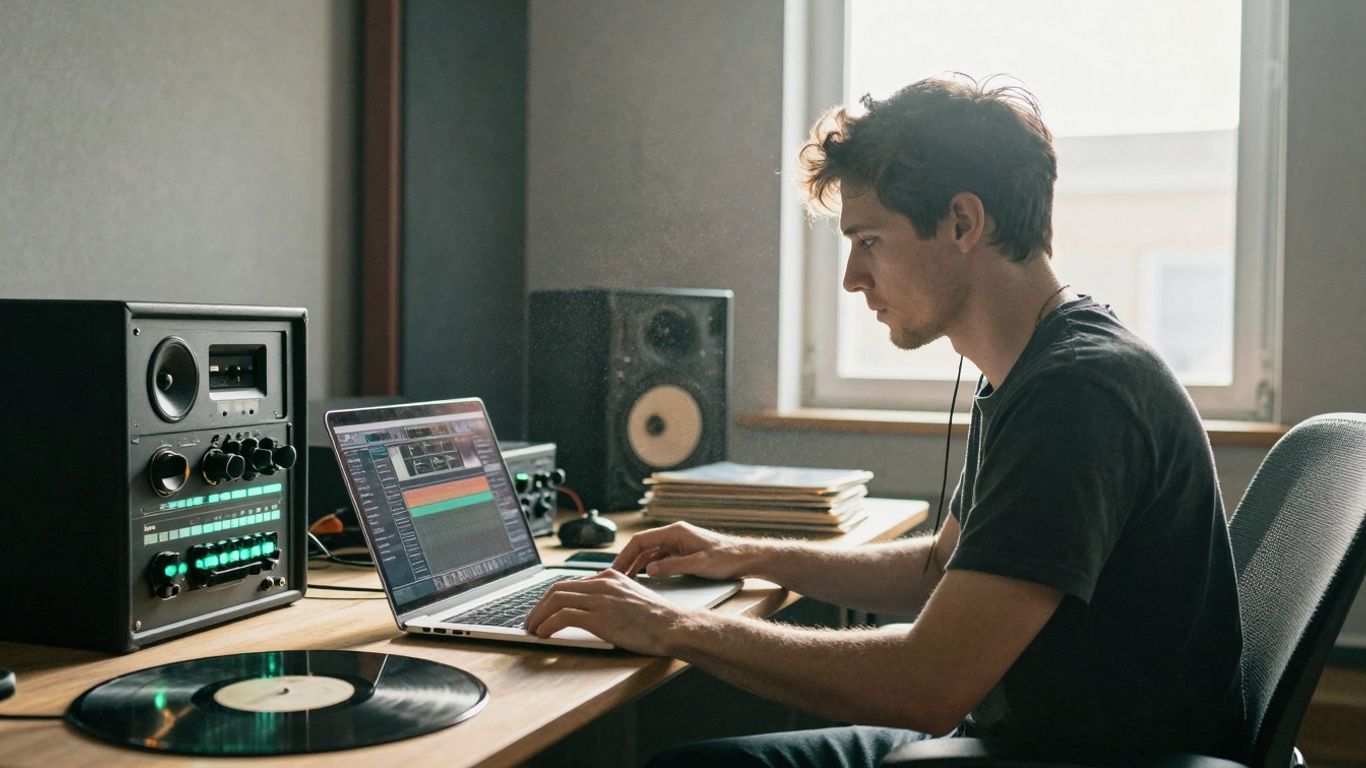
Alright, let's talk about the nitty-gritty of getting your beats out there without getting short-changed. Selling beats isn't just about sending over an MP3; it's about granting permission, and that's where licenses come in. Think of it like this: you're not selling the actual cake, you're selling slices and the right for someone to serve it at their party. Understanding these licenses is your first line of defense against awkward conversations and, more importantly, lost income.
Leasing vs. Owning: Know Your Rights
When an artist gets a beat from you, they're not buying it outright. They're getting a license, which is essentially permission to use your creation under specific terms. You, the producer, are still the owner of the original beat. The artist gets the right to use that beat in their new song, and by doing so, they're usually granting you a songwriting credit. This means you're entitled to a piece of the publishing royalties that song generates. It's a collaboration, and you're a co-writer on the new track. The key takeaway here is that you're selling the right to use your beat, not the beat itself. This distinction is super important for copyright and royalty purposes. You're granting them permission to exploit the beat according to the terms laid out in the beat licensing agreement.
Here's a quick breakdown of common license types:
- Non-Exclusive Lease:
- Lower price point ($30 – $150 is common)
- Usage caps (e.g., limited streams, downloads)
- Might have a limited term (could require renewal)
- The same beat can be licensed to multiple artists
- Great for newer artists testing the waters
- Exclusive License:
- Higher price point ($300 – $1,000+ is typical)
- No usage caps (unlimited streams, sales)
- Usually no term limits
- Only one artist can use the beat
- Best for artists who are serious about a track and have the budget
Don't just slap your name on a generic template and call it a day. You need to actually read and understand what you're signing, and what you're offering. Pay attention to royalty splits, usage rights, ownership details, and the term of the agreement. Getting these details right from the start can save you a massive headache down the line.
Exclusive vs. Non-Exclusive: What's The Deal?
This is probably the biggest fork in the road when you're licensing your beats. Non-exclusive licenses are like a public park – lots of people can use it, and you can still charge entry fees (or, you know, license it to more people). They're usually cheaper for the artist and come with limits. We're talking caps on streams, sales, or even a time limit. This is great for up-and-coming artists who are testing the waters, and it's a solid way for you to build up a customer base and earn some cash from the same beat multiple times. It's a volume game, and that's totally fine!
Exclusive licenses, on the other hand, are like a private concert. Once an artist buys an exclusive license, that beat is theirs and theirs alone. No one else can use it. These come with a higher price tag, naturally, and usually have no limits on streams, sales, or time. This is typically for artists who are serious about a track and have the budget to back it up. Even with an exclusive deal, remember you're still retaining ownership of the composition. You're just giving one person the sole right to use it in their song.
Watermarks & Tags: Your Beat's Bodyguards
Alright, let's talk about keeping your beats safe and sound. You've poured your heart and soul into these tracks, and nobody wants to see them get swiped or misused. Think of this section as your beat's personal bodyguard service.
Producer tags are like your signature, a little "Hey, I made this!" that lets everyone know who's boss. But don't stop there. Watermarking your beats, especially before they're finalized or sent out for approval, is a smart move. It's like putting a "Property of [Your Name]" sticker on it, but way cooler and less likely to be peeled off. A subtle watermark can deter unauthorized use without annoying the listener too much. It's all about making it clear that this beat belongs to you, and you're serious about your work.
When you're ready to share your beats, whether it's for a potential sale or just to get feedback, think about how you're sharing them. Sending a beat as a random email attachment? That's like leaving your front door wide open. Instead, use secure links or, even better, upload them to licensed platforms. Sites like BeatStars or Airbit are built for this. They handle the licensing, the payments, and give you a professional way to present your work. This way, you're not just handing over your music; you're controlling who gets it and under what terms. It’s a much cleaner way to do business and keeps your intellectual property protected. Always keep good records of every beat you send out, too. It's a smart move that can save you a lot of trouble later.
Your Own Beat Empire: Building A Brand That Lasts
So, you've made some sales, which is awesome! But just selling beats one by one is like trying to fill a bucket with a leaky spoon. To really build something solid, you gotta think bigger. It’s about making sure artists don't just buy from you once, but they keep coming back for more. Think of it like this: you're not just a beat seller, you're building a brand, a go-to spot for dope sounds.
Nurturing Artist Relationships: Your Repeat Business Engine
This is where the real magic happens. When an artist buys a beat, it's not just a transaction; it's the start of a potential relationship. You want them to feel good about their purchase and about you. A happy artist is a returning artist, and they’ll tell their friends too. It’s like that one pizza place you always go to because they remember your order and throw in extra garlic knots.
Here’s how to keep those artists coming back for more:
- Follow Up: After a sale, shoot them a quick message. A simple "Thanks for the lease! Let me know how the track turns out" can go a long way. It shows you care.
- Be Available: Make sure artists can easily reach you if they have questions about their license or want to discuss custom work. Don't make them hunt you down.
- Offer a Little Extra: Sometimes, a small bonus, like a free instrumental version of their leased beat or a discount code for their next purchase, can make a huge difference. It’s the little things that build loyalty.
Building strong connections with artists turns one-time buyers into loyal fans who keep your business humming.
Scaling Up: Analyzing Sales and Expanding Your Offerings
Once you've got a steady flow of sales, it's time to look at the numbers and see what's working. What kind of beats are flying off the shelves? What license types are most popular? Use this info to guide your next moves. Don't just keep making the same stuff if it's not selling.
- Check Your Stats: See which beats get the most plays, leases, or exclusive sales. Double down on those styles or sounds.
- Identify Trends: Are certain moods or genres hotter than others? Adjust your production accordingly.
- Test New Licenses: If you're only offering leases, maybe try an exclusive option or even stem leases to see what artists bite.
Don't be afraid to experiment. The music industry is always shifting, and staying flexible is how you stay ahead.
Building Your Own Beat Boutique: Total Control
Don't sleep on building your own website! Using platforms like Shopify or Wix to create your own site gives you total control. You can integrate your beat store directly, and it looks super professional. It takes more effort upfront, but the payoff can be huge because you're not sharing the spotlight (or the commission) with anyone else. Plus, you can really make it feel like your space. This is where you can really showcase your unique brand and make it easy for artists to find you, like what they hear, and buy your beats without any distractions.
Social Media: Your Megaphone To The Masses
Alright, so you've got your beats ready to roll, and maybe you've even set up shop on BeatStars or your own slick website. But how do you get artists to actually find your dope tracks? That's where social media swoops in, like your personal hype squad. Think of it as your megaphone, blasting your sound to anyone who'll listen. You can't just drop a beat and hope for the best; you gotta be out there, making noise!
Tease Your Tracks Like A Movie Trailer
Nobody wants to hear a whole song before they know if they like it, right? So, serve up little tastes! Post short clips of your hottest beats, maybe a snippet of you cooking up something new in the studio, or even just a cool visual that matches the vibe of your track. It’s like giving them a sneak peek, making them hungry for more. The goal is to make them stop scrolling and think, 'Whoa, what is that?'
Engage With Artists: Be Part Of The Scene
Don't just broadcast; connect! Find artists whose music you dig and actually interact with them. Drop a thoughtful comment on their posts, share their work if it's fire (they'll appreciate that!), and let them know you're around and ready to collaborate. Building these relationships is key. It shows you're not just some random producer; you're part of the community. Plus, you never know when a casual chat could lead to a dope collab or a beat sale.
Contests & Giveaways: Sparking The Buzz
Who doesn't love free stuff? Running contests or giveaways is a fantastic way to get people talking and sharing your work. You could offer a free lease to a lucky follower, a sample pack, or even a custom beat. It creates excitement, gets your name out there, and rewards your existing fans. It’s a win-win that can seriously boost your visibility.
Remember, consistency is your best friend here. Keep showing up, keep sharing your talent, and keep engaging. It might feel like shouting into the void sometimes, but trust me, artists are listening. It's a marathon, not a sprint, but with the right social media hustle, your beats will get heard.
Automate The Grind: Freeing Up Your Creative Flow
Look, nobody got into making beats to spend their days drowning in emails and wrestling with payment processors. That's the stuff that sucks the joy right out of your studio time. The real goal here is to make your beat business run like a well-oiled machine, so you can get back to what you actually love: cooking up those fire tracks.
Instant Delivery: The Magic Wand Of Beat Sales
This is huge. You want a system that automatically sends the beat files and the license agreement straight to the artist the second they hit that 'buy' button. No more manual sending, no more waiting around. It’s like having a virtual assistant who never sleeps, working 24/7 to get your beats into the hands of eager artists. This kind of automation is key for making sales happen while you're busy creating.
Payment Processing: Let The Pros Handle The Dough
Dealing with money can be a headache, and honestly, it's way safer to let the experts handle it. Reliable payment gateways are built to manage transactions securely and efficiently. They deal with all the nitty-gritty details, so you don't have to worry about chargebacks or dodgy payments. Just connect your account, and let them do the heavy lifting. It’s one less thing to stress about when you're trying to monetize your music beats.
Streamlined Storefront: Making Buying A Breeze
Your online beat store or profile on a marketplace needs to be super easy for artists to use. If they can’t find what they’re looking for quickly or the checkout process is clunky, they'll bounce. Think clear categories, good search functions, and a simple, intuitive layout. The easier it is for someone to browse and buy, the more likely they are to actually complete the purchase. A smooth experience means more sales and happier customers who might just come back for more.
The less time you spend on boring admin tasks, the more time you have to actually make the music that got you started in the first place. Automation isn't just about convenience; it's about reclaiming your creative energy.
Tired of spending too much time on tasks that don't spark your creativity? Our section, "Automate The Grind: Freeing Up Your Creative Flow," is here to help. We'll show you simple ways to handle the boring stuff so you can focus on what you love. Ready to get more done with less effort? Visit our website to discover how!
So, You're Ready to Make It Rain Beats!
Alright, you've officially leveled up your beat leasing game. You know the drill: price 'em right, put 'em out there on the right platforms, and don't be afraid to bundle or offer cool extras. Remember, you're not just selling beats; you're selling your vibe, your sound, your whole creative thing. Keep grinding, keep creating, and soon enough, you'll have artists lining up like they're waiting for the last slice of pizza at a party. Now go make some noise and get those beats leased!
Frequently Asked Questions
What's the deal with leasing a beat?
Leasing a beat is like renting it out. You let an artist use your beat for their song, but you still own it. This means you can lease the same beat to other artists, too. It's a smart way to make money from your creations without giving them away completely.
Where's the best place to sell my beats online?
You've got some awesome online spots to sell your beats. Places like BeatStars and Airbit are super popular because tons of artists already go there looking for beats. Think of them as big online music malls for producers.
How do I figure out the price for my beats?
Pricing your beats involves a few things. Consider how good your beat is, how much experience you have, and what other producers are charging for similar sounds. Also, think about what kind of license you're offering – a basic MP3 lease will cost less than giving away exclusive rights.
What's the difference between MP3, WAV, and stems licenses?
An MP3 lease is usually the cheapest and has lower sound quality, good for artists just starting out. A WAV lease offers better sound quality. Stems, or trackouts, give the artist all the individual parts of the beat, offering them the most control, so they usually cost more.
How can I make my beat offers more appealing to artists?
You can make your offers super attractive by creating special deals! Try bundling beats together, like 'buy two, get one free.' You could also throw in cool extras, like bonus instrumentals or even offer services like mixing and mastering to help artists make their song sound even better.
Are there other ways to make money with my beats besides selling leases?
Absolutely! You can create and sell sample packs or loop kits, which are like ingredient packs for other producers. You can also license your beats for background music in YouTube videos, podcasts, or even commercials. And if you're into performing, live shows and selling merch can be great too!


