

Building an AI music business is a wild ride right now. You’ve got new tools popping up every week, and honestly, it’s easier than ever to make, share, and even sell your music with a bit of tech help. If you’ve ever messed around with AI plugins or thought about dropping a beat that’s part computer, part you, this guide will walk you through how to actually turn those experiments into something that pays. Whether you want to sell tracks, license beats, or just build a brand that stands out in a sea of robots, let’s break down what works (and what doesn’t) in the world of AI music business.
Key Takeaways
- You can make money with AI music by selling tracks, sample packs, or offering production services directly to fans and other artists.
- Streaming platforms let you upload AI-generated music, but you still need to add your own touch to stay within the rules and get paid.
- Building a strong brand around your AI music means showing off your process, staying active on social media, and being clear about what makes you different.
- Legal stuff matters—know who owns the music, use royalty-free tools, and be careful with voice and likeness rights to avoid headaches.
- Subscription models, exclusive drops, and even NFTs are still good ways to create steady income and build a loyal community around your AI music business.
Turning AI Music Tools Into Money Machines
Ready to let AI do the heavy lifting and stuff your bank account? This is where things get fun! You’ve got the tech in your hands—now, let’s turn those beats and algorithms into cold, hard cash. Here’s how you can start stacking money with your AI music skills:
Monetizing Your AI Music Skills for Profit
You know those hours tinkering with AI plugins? Time to make it pay off. There’s a bunch of ways to turn your AI skills into income:
- Freelance Production: Offer AI-powered production services to other musicians (think: beat making, mastering, or custom vocal edits).
- Beat Marketplaces: Upload AI-made beats to sites like BeatStars or Airbit and set your own prices.
- Consulting: Got deep AI knowledge? Teach others how to get the most from AI music tools, either through tutorials or one-on-one coaching.
If you treat AI as your music business partner instead of just a toy, you’ll find way more profit opportunities.
Navigating Streaming Platforms Like a Pro
Uploading your AI-generated tracks to Spotify, Apple Music, and Amazon Music? Totally possible—but you’ve gotta play by the rules.
Here’s what you need to keep in mind:
- Don’t let the AI do 100% of the work; keep a human touch in your edits, arrangement, or mixing.
- Make sure you’re credited as the main artist (nobody’s buying music from "AI Bot 4000").
- Double-check the platform’s policies. Some have strict guidelines on how much of the music must be "human-made."
| Platform | Human Input Required? | Typical Royalty Payout |
|---|---|---|
| Spotify | Yes | $0.003 – $0.005/stream |
| Apple Music | Yes | $0.007/stream |
| Amazon Music | Yes | $0.004/stream |
It’s all about keeping your name out front and your royalties flowing.
Selling AI-Generated Music Directly to Fans
Why deal with middlemen when you can serve your fans right? Sell your AI-powered beats, albums, or exclusive loops straight from your own site or platforms like Bandcamp or Gumroad. You set the price, you keep the profits, and you run the show.
How to make it work:
- Bundle up custom tracks or loop packs—something fans can’t get anywhere else.
- Offer different pricing tiers or limited editions for super fans.
- Include a simple license agreement, so buyers know they’re good to use your sounds commercially.
Seriously—100 fans dropping $20 for an exclusive beat tape is $2,000 to you, not some label.
The beauty of running your own AI-powered music shop? Full control, way fewer headaches, and you get to have fun with your releases. Who says algorithms can’t pay the bills?
AI Superpowers for Music Production
Alright, let’s get to the fun part—actually using AI tools to make music in ways you probably never thought possible. This isn’t your grandpa’s synth rig; we’re talking about apps and plugins that feel a little bit like magic.
Composing Chart-Toppers With a Click
No, seriously, it can be that easy. AI songwriting tools let you pick a mood, genre, and sometimes even the theme for your next hit. Platforms like Udio or Suno are wild—you just type out what you want, like “sad bedroom pop song with acoustic vibes,” and the AI spits out a full track.
- Pick a style and vibe (Pop, Trap, Lofi—whatever you’re into)
- Enter your favorite topics or just a few random lyrics
- Tweak melody or chords if you want…or just let the AI cook
You can go from blank project to radio-ready tune in minutes.
Honestly, if you’re stuck in a creative rut, these tools are like getting paired with an instant co-writer who doesn’t judge you for that cheesy chorus idea.
Sound Design Magic: AI for Mixing & Mastering
So, you’ve got a killer track. Mixing and mastering, though? That’s where most people’s energy fizzles out. Luckily, there are AI tools that handle this mess for you. LANDR and iZotope plugins listen to your song, figure out what’s missing, and do all the nerdy EQ or compression stuff without making you think about Hertz and decibels.
Here's what you get:
- Quick fixes for muddiness, wonky volumes, and harsh noises
- Mastered tracks that sound finished—even if you’re clueless on engineering
- Tons of presets so you’re not just stuck with one sound
Trust me, you’ll realize how much time you wasted tweaking snares when this thing nails it on the first try.
Voice Synthesis—Because Why Not Be Your Own Choir?
Ever wish you could sing but, well, can’t? AI will do the singing for you. There are tools that create full vocal performances: they clone your voice, make harmonies, or even generate robotic crooners if you’re feeling experimental.
- Type in your lyrics and select a voice style
- Instantly generate lead vocals, backing harmonies, or even spoken parts
- Mess around with styles—opera, rap, or a robot with a British accent
Suddenly, you’ll have a choir without begging your friends to join in on a Sunday.
Building Your Signature Sound With Smart Plugins
Let’s face it: standing out is hard. AI-powered plug-ins can help you craft wild effects, off-the-wall synth patches, or fresh drum kits. The best part? They can learn from your past tracks and evolve with your preferences—but you’re always steering the ship.
Here are a few ways they help:
- Suggesting chord progressions and sounds that fit your vibe
- Generating unique effects chains without endless knob-turning
- Saving presets of your weirdest experiments for the next jam session
Every hitmaker has a secret sauce. Now your "sauce" can be an AI sidekick that keeps things spicy.
Building tracks with AI isn’t cheating. You’re just using smarter tools so you can focus on what matters—bringing your ideas to life!
Selling, Syncing, and Spreading Your AI Tunes

Ready to turn your AI-made tracks into something more than just a cool experiment? Let’s lay out exactly how folks are flipping their AI music into cold, hard cash—and getting those tunes heard everywhere from TikTok feeds to late-night car commercials.
Creative Ways to License Your AI Tracks
Want passive income—and I mean, the kind that comes in even when you’re binge-watching old sitcoms? Licensing is your new best friend.
- Sync your AI tracks to videos, ads, or games. Sites like AudioSparx, Songtradr, and Artlist are starting to accept AI-generated music, as long as you had a “human touch” in there somewhere (think: arranging, vocals, or a bit of mixing).
- Tag your music like a pro! Use mood keywords (e.g., "moody synthwave," "epic tension") so music supervisors can find you.
- Always double check the submission rules on each platform—some don’t want 100% robot-made jams.
Getting your AI music placed in TV or games doesn’t take a rocket scientist, but it does take a few extra steps—like smart labeling and adding that dash of human flavor. Why not get paid more than once for the same track?
Crushing It With Custom Loop Kits and Sample Packs
Sample packs? Still booming. Thanks to AI, you can crank out samples, loops, and MIDI sets faster than ever—without sounding cookie-cutter.
Here’s how you make your packs actually sell:
- Use tools like Chord Genie or Bass Dragon to pump out unique progressions or juicy basslines.
- Bundle 20–30 loops, a handful of MIDI progressions, and maybe some vocal one-shots.
- Organize everything by key, BPM, and vibe (your future buyers will thank you).
- Price your pack ($30–$40 sweet spot, depending on exclusivity and hype).
- Always toss in a PDF that lays out usage rights—no one wants sticky legal stuff later.
Pro tip: Selling the same pack 100 times? That’s holiday money.
| Type | Avg. Price | Potential Buyers |
|---|---|---|
| Mini Loop Kit (10-15) | $10-20 | 50-300+ |
| Pro Sample Pack (20-40) | $25-50 | 100-500+ |
| Mega Bundle | $60-150 | 20-100 |
Sync Licensing: Getting Your Beats in TV, Ads, and Games
If you haven’t looked into sync licensing, you’re leaving money (and bragging rights) on the table. Here’s your quick-start rundown:
- Make sure your AI tracks feel finished and have your unique touch—think vocals, FX, or acoustic layers.
- Tag your files clearly: mood, BPM, style, instruments. Keep it simple for the folks searching.
- Submit to sync libraries with proper metadata. The more detailed, the better.
- Don’t give away exclusive rights unless the deal is worth it.
- Keep your master files organized—sometimes you’ll need to tweak stems on short notice.
Sync money sometimes pays upfront and then keeps rolling in as royalties. Not too shabby for a few extra minutes of prep, right?
At the end of the day, the more organized and human your AI tracks feel, the easier it is for them to find a home in film, games, or commercials. Your AI creations could be living their best lives (and making you cash) long after you bounce the final mix.
Building a Future-Proof AI Music Business Brand
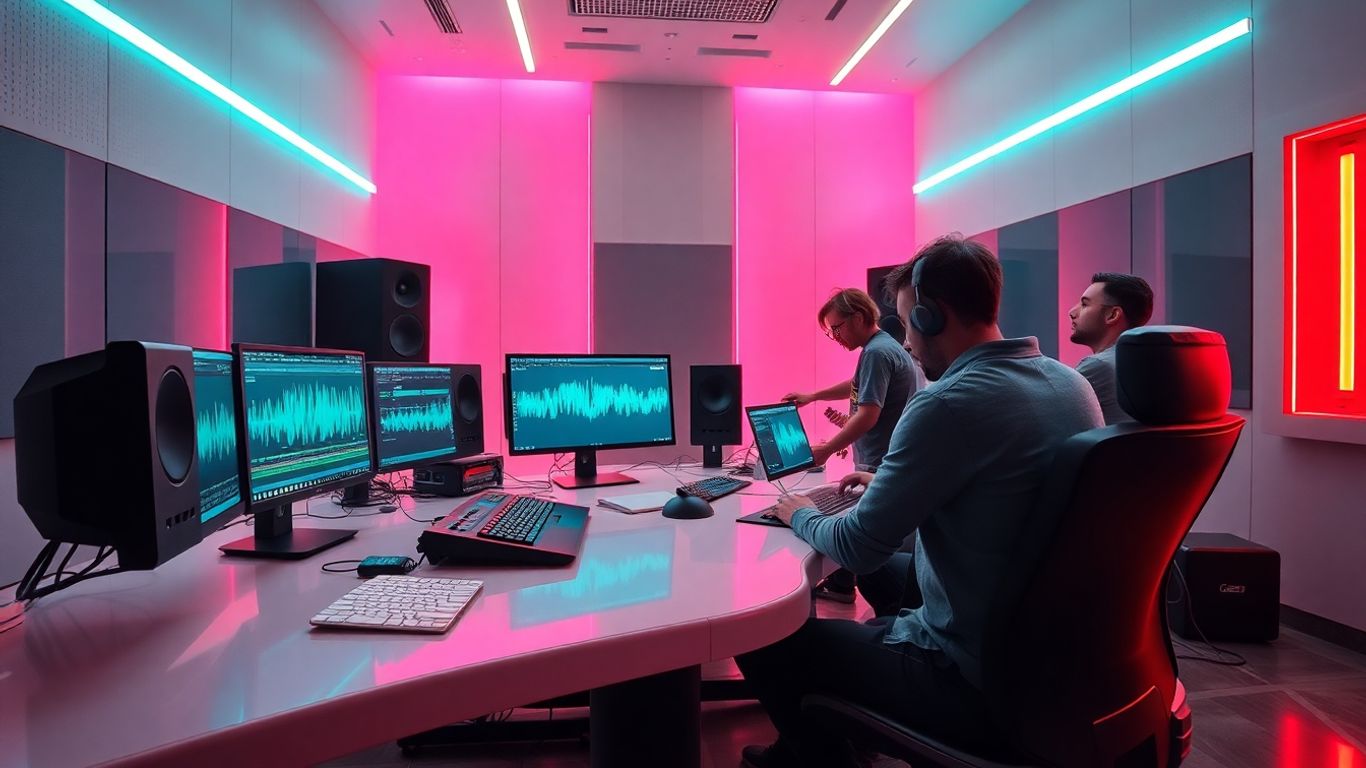
AI is shaking up music in a big way, and your brand has to keep up. If you want to build a music business that actually lasts, you need to think a few moves ahead, not just drop some tracks and hope for the best. Here’s how you make sure you’re not just another blip in the feed when waves of new AI tech keep rolling in.
Showcasing AI Creations on Social Platforms
Getting your AI music out there is half the battle. People need to see (and hear) your work—everywhere they scroll. Platforms like TikTok, YouTube Shorts, and even Instagram Reels are perfect for showing off quick hits, AI-generated song ideas, or time-lapses of you tweaking your weirdest plugin.
Try these simple strategies:
- Post short, catchy AI music clips with captions that spark curiosity ("Guess how I made this beat?")
- Take your audience behind the curtain with little walkthroughs of your creative process—even if it gets messy.
- Remix trends with your AI tools and tag relevant challenges.
Don’t overthink it—let your personality shine through so people remember you, not just the software.
Crafting Your Own AI Library for Quick Hits
Now, let’s talk about your secret weapon—a stash of original AI-generated sounds ready to use anytime. You can:
- Save every melody, drum loop, or vocal you create, even if it doesn’t make the cut right away.
- Tag files by mood, tempo, or key so you never waste time hunting for a vibe.
- Update your library regularly to keep things fresh (and avoid sounding like everyone else who’s using the same plugin out of the box).
Here’s a simple structure to keep it organized:
| Folder Name | Type | Notes |
|---|---|---|
| Melodies_2025 | MIDI | Upbeat, 120-130 BPM |
| Vocals_AI | WAV | Spooky, Processed |
| DrumLoops_Slick | WAV | Fast-paced, Trap-ish |
Having your own AI toolkit means you’re never stuck for ideas when those last-minute projects pop up.
Branding Tips to Stand Out in an Ocean of Robots
Let’s be real—there are a lot of AI-driven music makers now. What makes you special isn’t the software, but how you use it and how you present yourself. Some quick-fire pointers:
- Pick a theme or story behind your brand so your AI tunes feel personal, not generic.
- Use a simple, memorable logo and color scheme across your social profiles.
- Engage with comments and feedback. People want to know there’s a human behind the tech!
AI can make you faster and more creative, but your brand is what people truly connect with.
Build your business now with intention, and your AI music won’t just sound futuristic—it’ll actually have a future.
Avoiding Legal Headaches and AI Drama
You'd think making music with AI would be simple, right? Well, here’s where the law gets weird. In the US, if a song is created entirely by a machine, you might not actually own the copyright. Yep, that’s wild! If you’re just pressing “generate” and letting the AI spit out a full track, current laws say you can’t claim it as your own. But, if you guide the process with your own creativity—adding melodies, tweaking arrangements, or writing some lyrics—now we’re talking. The more you’re involved as a human, the more likely you are to own your music. Oh, and if you’re trying to split royalties or get a contract for your AI-made banger? Be ready for some legal gymnastics until the rules catch up.
If you want your music to stay truly yours, make sure you’re a big part of the creation, not just pressing buttons and hoping for a hit.
The last thing you want is to blow up on TikTok and then get slapped with a cease-and-desist because your song sampled a copyrighted melody buried inside your AI tool. Here’s how you avoid that headache:
- Go for AI software and plugins that use royalty-free sounds.
- Always read the terms (I know, boring, but vital).
- When in doubt, make your own samples or license them from reputable libraries.
Here’s a quick cheat sheet:
| Source Type | Legal Risk |
|---|---|
| Your Voice/Self-Created Samples | Low |
| Royalty-Free Plugins | Low |
| Unverified Internet Samples | High |
| Commercial Sample Libraries | Medium/Low |
| AI Models Trained on Unknown Data | High |
Better safe than sorry—and a lot cheaper than hiring a lawyer!
So, your new AI toy can clone famous voices. Cool, but here’s the reality: using someone’s voice (especially a celeb) without permission is asking for big, nasty lawsuits. The rules around impersonating singers—even with futuristic tools—are getting tougher every day. If you want to use your own voice and morph it, go wild. But avoid making tracks that sound just like Drake or Billie Eilish. Seriously. Instead:
- Use voice synthesis to create entirely new voices.
- Only use your own recordings, or voices you’ve got permission to use.
- Watch for updates on laws in your region—things are changing fast.
Let the robots help you, don’t give them a reason to send a legal bot after you!
The Subscription and Community Game
So you want to turn your AI-powered beats into a steady cash flow, huh? Subscriptions and community-driven releases just might be your secret weapon. Let’s break down exactly how you can set up a recurring stream of income—and actually have fun doing it.
Monthly Beat Drops and Sample Pack Subscriptions
If you love making music with AI, why not get paid every single month for it? A subscription model means your beats, loops, or unique sample packs drop right into your fans’ inboxes on schedule. Here’s how you make it work:
- Pick your platform: Patreon and Gumroad are fan favorites for musicians.
- Set a schedule: Monthly, bi-weekly, whatever keeps you (and your workflow) happy.
- Don’t go generic: Offer something exclusive—AI mashups, stems, or even custom requests!
- Keep it affordable: Think $10–$30 a month, so fans stick around.
There’s nothing like realizing you’ve just paid your phone bill from loop kit subscriptions. Feels good, man.
Here’s a peek at what a basic subscription might look like:
| Tier Name | Price/Month | Perks |
|---|---|---|
| Beat Rookie | $10 | 3 AI beats/mo, Discord access |
| Sample Champ | $20 | 6 beats, 2 sample packs, bonus Q&A |
| Producer Pro | $30 | All above + custom beat monthly |
Running Exclusive Patreon or Gumroad Clubs
Community is key. When you give your fans that VIP feeling, they’ll stick around and even spread the word. Here’s how to run a paid club without losing your mind:
- Create a private Discord or Telegram group for backstage access.
- Post quick behind-the-scenes clips (AI oddities, “fail” tracks, work-in-progress songs).
- Drop Q&A livestreams or ask for direct feedback on your AI experiments.
- Reward loyalty with early releases or “pick the next track” power.
It’s not just about content. It’s about giving fans a say in your process.
Bundling Bonus Content for Superfans
Want superfans? Give them the good stuff:
- Early downloads (before the public gets them)
- Video breakdowns of your workflow (AI tricks included)
- One-off sales like merch, virtual meetups, or beat critiques
This is your space for creativity—your fanbase can even suggest the next sample pack theme (imagine dragons, but lofi?).
By making your music business about more than just tunes—think recurring releases, exclusive hangouts, and cool little bonuses—you’re building something even Spotify can’t touch. Fans don’t want just the music; they want the entire ride with you.
AI Music Tools That Give You an Unfair Advantage
AI music tools are basically the cheat codes every bedroom producer wishes they had ten years ago. Now, you don’t even need a wall of synths or a million-dollar studio—you just need your laptop, an idea, and a few smart plugins to jumpstart your sound.
Top Plugins Every AI Music Entrepreneur Should Know
If you want to stand out (and not blend into the swamp of generic beats online), having the right AI tools is a must. Here are some that people are raving about right now:
- Chord Genie: Instantly gives you radio-ready chord progressions. Perfect if you’re stuck and want something fresh without sounding like everyone else. Control every detail, or let it do the heavy lifting.
- Bass Dragon: Sick of endless low-end tweaking? Plug in your genre and key, and Bass Dragon spits out pro basslines. It even comes with its own synth and over 200 presets.
- LANDR: Polishes your tracks with AI mastering so your stuff sounds pro—even if you don’t have an audio engineering degree.
| Plugin | Best For | Biggest Flex |
|---|---|---|
| Chord Genie | Songwriters & Beatmakers | Customizable, instant chord progressions |
| Bass Dragon | Producers (all levels) | Genre-specific basslines at the click of a button |
| LANDR | Everyone | Professional mastering with zero technical headaches |
Sometimes the smartest move isn’t working harder, it’s working with tools that give you a leg up. Don’t be afraid to experiment until you find the groove that fits your sound.
Automating Your Workflow Without Killing the Vibe
Let’s be real: Automation is fantastic—until your tracks start sounding like a robot wrote them in a panic. The trick is to automate the boring parts so you can focus on the fun stuff. That means:
- Set up batch mastering so every track gets polished automatically.
- Use AI for drum pattern generation, but tweak the rhythms to make them your own.
- Sort samples and stems using AI file organizers—spend less time digging, more time creating.
Finding the sweet spot is key. If everything is automated, your music loses its personality. If nothing is automated, you’ll probably never finish a song. Play around until you find your balance.
Mixing Human Touch With AI Genius for Next-Level Tracks
This part is where you get to show off. You bring the ideas, the weird sounds, the emotional chaos—then let AI handle the technical stuff that normally bogs you down. Here’s how to mix the human and machine sides for killer results:
- Lay down your own melodies, then use AI to harmonize or remix them in ways you wouldn’t think of.
- Record real instruments or vocals, but polish them up with AI-powered mixing plugins.
- Add random imperfections back into tracks generated by AI—swing, offbeat notes, unpredictable dropouts. Basically, make the robots sweat a little.
Your best tracks will combine your quirks with AI’s speed. That contrast? It’s what catches people’s ears.
And if you’re wondering if all this tech means your job is obsolete? Nope. AI is your sidekick, not your replacement. You’re just the boss now—so pick your tools wisely and make music you actually want to play on repeat.
Exploring the Wild World of AI Music NFTs
NFTs aren’t in every headline like they were, but guess what? They’re still kicking, and they’re actually a wild way to show off and sell your AI-generated music. Whether you’re a fan or a skeptic, NFTs let you turn your songs, beats, and moments into something fans can truly own. Let’s break it down:
Is Selling AI-Generated NFTs Still Cool (and Profitable)?
You might be thinking, “Isn’t the NFT hype over?” Maybe the buzz quieted, but creators are still scoring sales, especially with original AI tracks. The key is exclusivity—folks want what no one else can have. You can mint everything from a one-of-a-kind beat to an entire concept album. Limited runs mean serious bragging rights for your buyers—and extra cash for you.
Here's what works:
- Drop a single-edition track nobody else can mint
- Create small batches (say, 10 or 50 copies) of your best AI songs
- Add personal touches like handwritten lyrics, mini-videos, or shoutouts
A quick table to eyeball the difference:
| Drop Type | Rarity | Typical Price Range |
|---|---|---|
| 1-of-1 AI Song | Ultra-rare | High |
| Limited Batch | Semi-rare | Medium |
| Open Edition | Unlimited | Low |
When your NFT feels special—and not mass-produced—people notice. Sometimes, all you need is 5 real fans who want to collect your magic to get the ball rolling.
Making Exclusive Drops with Unlockable Perks
The coolest thing about music NFTs is what you can package inside. Give buyers more than audio! Some perks to include:
- Downloadable stems so they can remix your stuff (or just hear how it’s built)
- Secret live session replays or Q&A hangouts
- Merch discounts or tickets to online gigs
And for the super-fans? Let one lucky collector grab the remix rights—who knows, they may just make the next underground hit from your tracks!
Community Building Through Crypto and Collectibles
Selling NFTs is great, but building a community of true believers? Game changer. Use Discord, Telegram, or group chats to:
- Keep fans updated on upcoming drops and collabs
- Run contests (“Remix my AI beat and win!”)
- Offer digital-only events or listening parties exclusive to NFT holders
NFTs let you create a club vibe where your fans feel like insiders. Imagine an audience where everyone’s rooting for your next release–because they own a piece of the project.
NFTs in AI music aren’t just about making money; they’re a new way for artists and listeners to connect. So, if you're curious, experiment. You might find your biggest fans—and some pretty sweet paydays—in this new corner of the music biz.
AI music and NFTs are changing how people make and enjoy songs online. These new tools are opening up fun ways for artists and fans to share, collect, and even own unique pieces of music. Want to hear something fresh? Check out our site for the latest hip hop beats and join the future of music with us!
Wrapping It Up: Your AI Music Adventure Awaits
Alright, so you’ve made it this far—nice work! Building a music business around AI tools isn’t just for tech wizards or big studios anymore. It’s for you, the bedroom producer, the indie artist, or even the person who just likes to mess around with beats at 2 AM. The tools are out there, and honestly, they’re getting easier (and weirder) by the day. Sure, you’ll have to keep an eye on the legal stuff and maybe double-check that your AI-generated banger won’t get you in trouble, but that’s just part of the game now. The main thing? Don’t be afraid to experiment. Mix your own style with what these tools can do, and you might just stumble onto something wild. Who knows—your next track could be the one that blows up, and you’ll have a robot to thank for it. So go on, fire up those plugins, and start building your own AI-powered music empire. Just remember to save your work—robots aren’t great at finding lost files yet!
Frequently Asked Questions
Can I sell music made with AI tools?
Yes, you can sell music you make with AI tools. Just make sure you add your own touch, like arranging, mixing, or editing. Most platforms want some human involvement before you can start making money from your tracks.
Who owns the rights to AI-generated music?
Usually, you own the rights to music you create with AI if you use your own ideas and edits. But if you use an AI tool that makes music all by itself, check the tool’s rules—sometimes the company keeps some rights.
Do streaming platforms accept AI music?
Most big streaming platforms like Spotify and Apple Music allow AI-made music, as long as you’re not letting the AI do everything. You should still be part of the creative process to avoid problems.
Is it legal to use AI for making sample packs and loops?
Yes, you can use AI to make sample packs and loops. Just make sure you’re not copying anyone else’s work, and use AI tools that offer royalty-free sounds. Always include a license so buyers know how they can use your samples.
Can I get in trouble for using AI to copy someone’s voice?
Yes, using AI to copy someone’s voice without their okay can get you in legal trouble. Always get permission or use AI voices that are safe and don’t sound like real people unless you have their approval.
Are NFTs still a good way to sell AI music?
NFTs aren’t as popular as they used to be, but you can still use them to sell unique AI music. If you add cool extras like stems or special perks, some fans will still want to buy them.


